



From Sightseeing to 'Experience-Seeing'
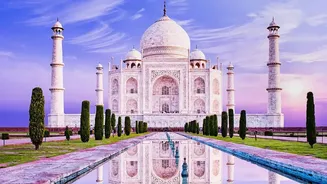
There’s a quiet revolution happening in how Indians travel abroad. The long-held tradition of the whirlwind European tour—ticking off as many capital cities and famous monuments as possible in ten days—is slowly giving way to a more profound, immersive
style of travel. According to recent travel industry reports, modern Indian travelers are no longer content with being mere spectators. They are evolving from tourists into explorers, actively seeking meaningful connections with the places they visit. This shift marks a maturing of the Indian outbound travel market, where the quality of the experience now frequently outweighs the quantity of landmarks visited. Instead of asking 'how many places can I see?', the question has become 'how deeply can I experience this one place?'. This has led to the rise of 'experiential travel,' a trend focused on active participation in a destination's culture, food, and lifestyle.
The New Wave of Indian Globetrotters
This change is largely driven by a new demographic of travelers: millennials and Gen Z. With rising disposable incomes and a greater sense of independence in making travel decisions, younger Indians are reshaping the industry. Many are repeat international travelers who have already done the classic London-Paris-Rome circuit and are now hungry for something new. They are also more likely to value unique experiences over material possessions. Furthermore, solo travel, once a niche concept, is becoming increasingly common, reflecting a desire for self-discovery and personal growth. This generation is not just spending more on travel; they are spending smarter, seeking out personalized itineraries that align with their interests, be it adventure sports, wellness retreats, or culinary deep dives.
The Social Media Compass
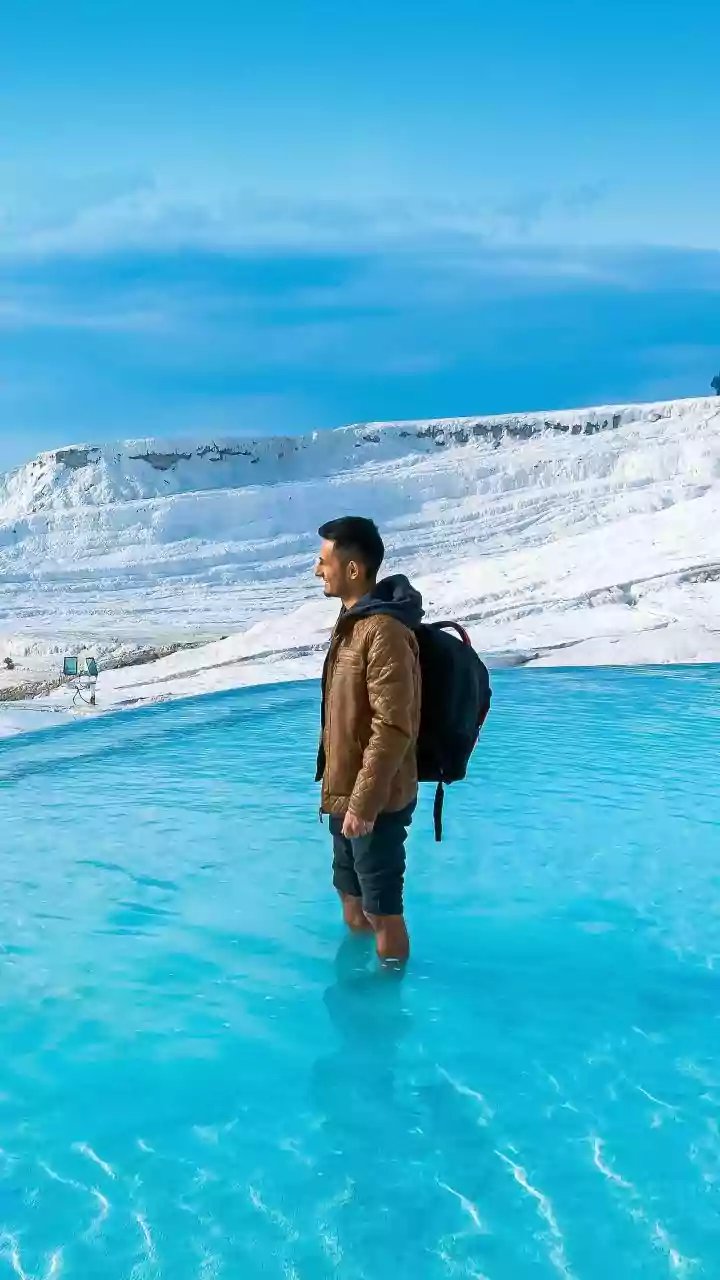
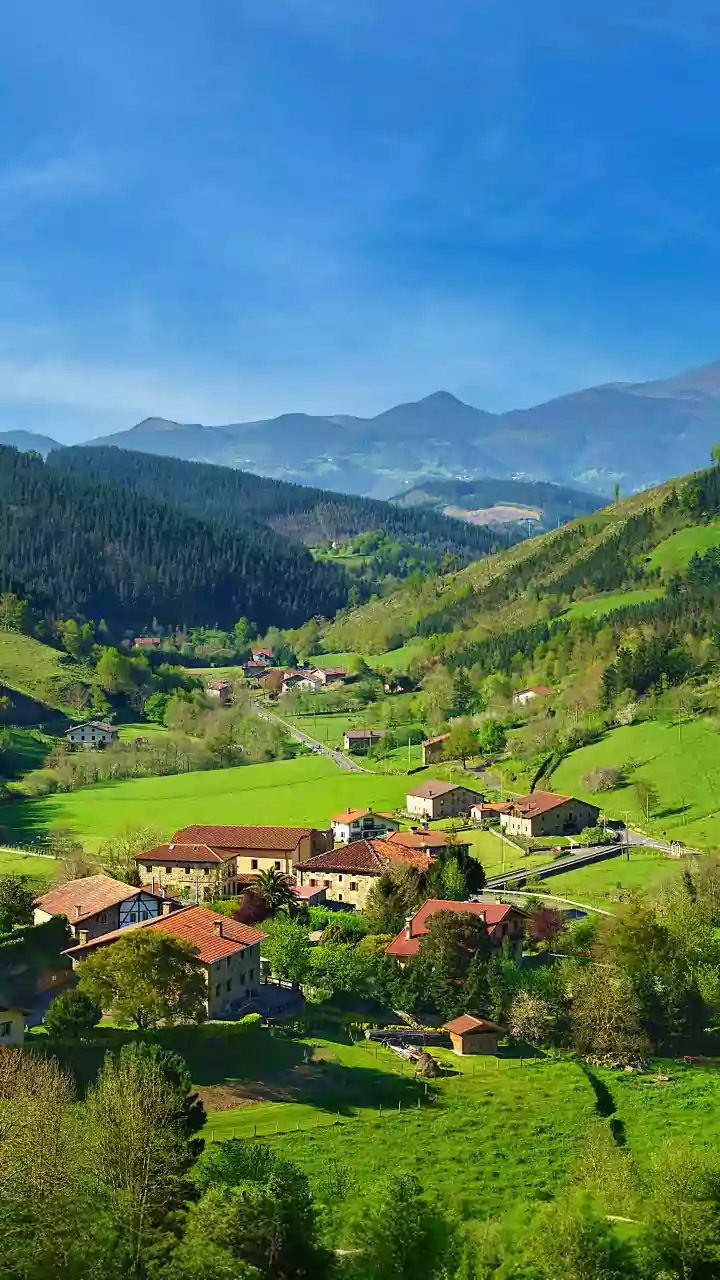
Social media has fundamentally altered the currency of travel. The ultimate 'bragging right' is no longer a selfie with a famous monument but a shot of a hidden waterfall, a meal at a local-frequented restaurant, or a video of a folk festival in an obscure village. Platforms like Instagram and YouTube are now primary sources of travel inspiration for over 80% of Indian travelers. Influencers and user-generated content are steering people away from crowded hotspots and towards 'Instagrammable' but less-trodden paths. The desire for unique content fuels the search for unique destinations, creating a cycle where platforms reward novelty, and travelers seek it out. This has put a spotlight on offbeat places like Georgia, Azerbaijan, and Vietnam, which offer visually stunning and culturally rich backdrops without the overwhelming crowds.
A Hunger for Authenticity
Beyond the digital flex, there is a genuine and growing desire for authentic connection. The new Indian traveler wants to understand the soul of a destination. This translates into seeking out experiences like cooking classes in a local home, participating in a traditional craft workshop, or staying in a family-run guesthouse instead of a large hotel chain. This focus on culture is becoming the primary driver for trip planning, with a recent Skyscanner survey showing that 67% of Indian travelers now plan their trips around specific cultural experiences they want to have. It's a move away from passive observation towards active participation, creating richer, more memorable journeys that foster a deeper understanding of the world.
Practicality Paves the Way
This evolution in travel preference is also supported by practical factors. Increased flight connectivity and the rise of online travel platforms have made it easier than ever to research and book complex itineraries to far-flung corners of the globe. Furthermore, visa-friendly policies are a major draw. Countries offering visa-free entry or visa-on-arrival for Indian passport holders have seen a significant surge in popularity. Destinations in Southeast Asia and the Middle East, in particular, have benefited from their accessibility, allowing for more spontaneous and budget-friendly short-haul international breaks. This combination of easier access and a thirst for new frontiers is empowering Indians to look beyond the obvious and redefine what it means to see the world.