






Embrace the Off-Season Advantage
The monsoon is considered an off-season for many popular tourist destinations in India. This means fewer crowds and, more importantly, lower prices. Hotels and resorts, particularly in places like Goa, Kerala, and Rajasthan, often slash their rates, sometimes
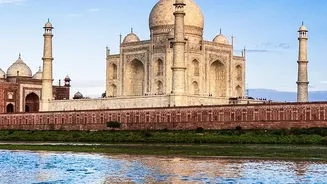
by as much as half. Look out for special monsoon packages that bundle accommodation with meals or other perks. By travelling between July and September, you can stay in more luxurious accommodations for the price of a budget hotel during peak season. This lull in tourism also means you can enjoy famous landmarks with far shorter queues.
Choose Your Destination Wisely
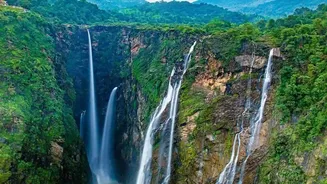
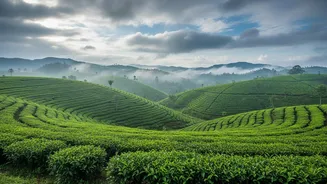
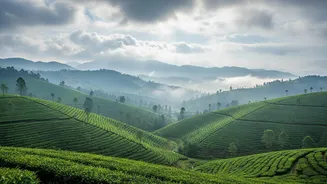
Not all destinations offer the same value. Instead of crowded hotspots, consider exploring less commercialized but equally beautiful locations. Hill stations like Lonavala, Coorg, Munnar, and Shillong are stunning during the rains and offer plenty of budget-friendly homestays and guesthouses. Even places like Mount Abu in Rajasthan become a green oasis with affordable stay options. Exploring these nature-centric destinations allows for low-cost activities like trekking, walking through plantations, and enjoying waterfalls, which are at their peak.
Travel Smart, Not Hard
Transportation can be a major expense. Booking train tickets in advance is a classic way to save money. Overnight trains are a double win, saving you the cost of a night's accommodation. For shorter distances, using public transport like local buses or shared autos is significantly cheaper than private taxis. Ride-sharing apps can also offer more economical and transparent pricing for city travel. If you're planning a road trip, travelling during weekdays can help you avoid the weekend rush and surge pricing on cabs and stays.
Book Flexibly and Independently
While all-inclusive packages seem convenient, booking your travel components separately often provides more flexibility and savings. Pre-packaged tours can be rigid and expensive. By booking your stay independently through various online platforms, you can compare prices and find better deals. This approach also protects you from losing money if sudden, heavy rains force a change in plans. For activities, instead of booking everything in advance, hire local guides on the ground for specific tours like nature walks or food trails.
Pack Essentials to Avoid Extra Costs
Smart packing can prevent unnecessary purchases. A good quality waterproof jacket, quick-drying clothes, and sturdy waterproof footwear are essential. Carrying your own reusable water bottle, a small first-aid kit with insect repellent, and some ready-to-eat snacks can cut down on incidental expenses. Having a waterproof bag or pouch to protect your electronics like phones and cameras from the rain is a non-negotiable to avoid costly damage. A little preparation goes a long way in ensuring you are comfortable and not spending on things you forgot at home.
Eat Like a Local
One of the best ways to experience a place and save money is through its food. Avoid expensive tourist-centric restaurants and instead, seek out local eateries and street food stalls. Not only is the food more authentic and delicious, but it's also incredibly affordable. A hearty meal can often be found for a fraction of the price of a resort restaurant. This is especially true for monsoon-specific delicacies that you'll find being freshly prepared on the streets of any town or city.