


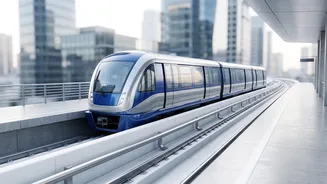
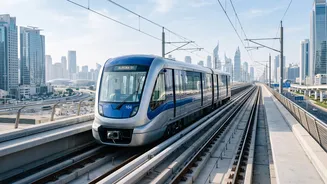
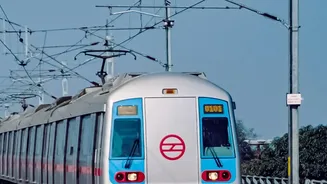
A New Benchmark in Urban Mobility
On November 2, during the pre-Diwali travel rush, Delhi Metro's driverless network carried a staggering 1.6 million passengers. This figure accounted for roughly one in every five commuters across the entire metro system that day. First launched in December
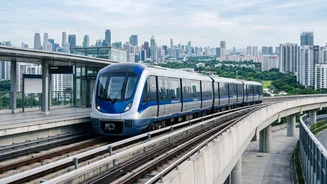
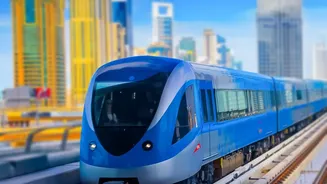
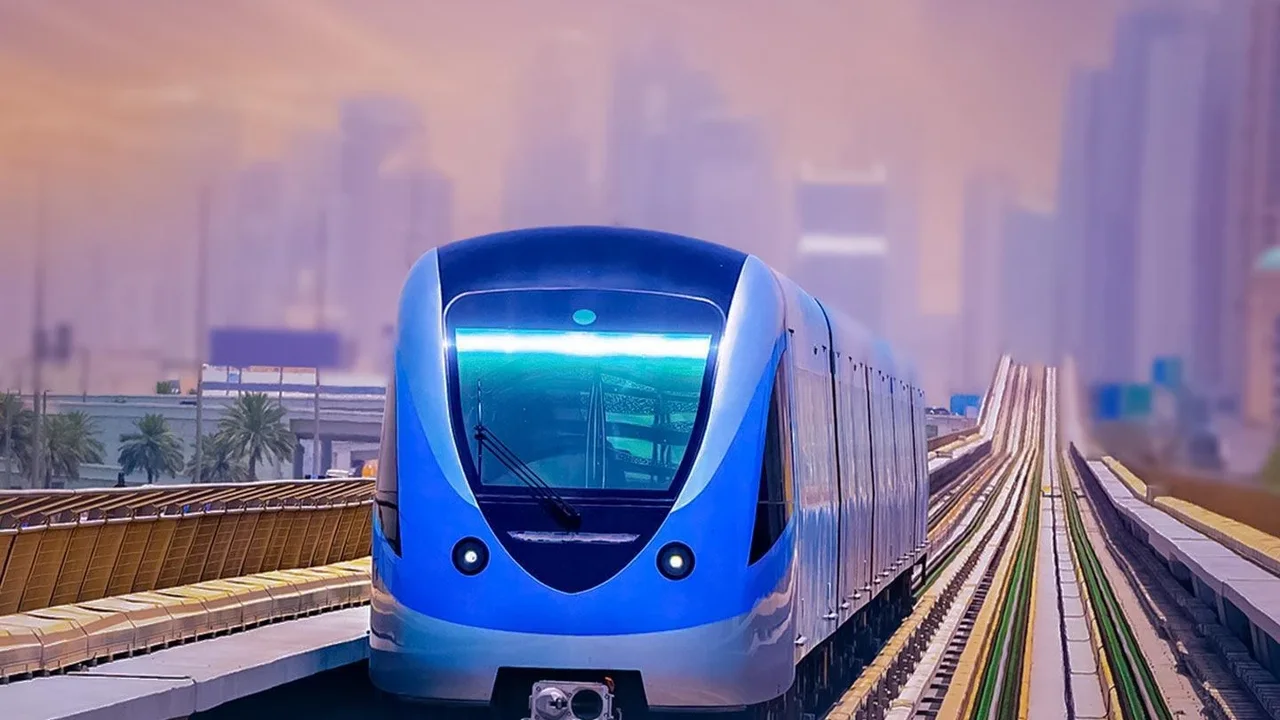
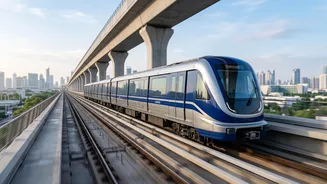
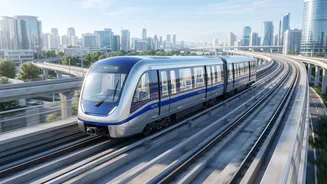
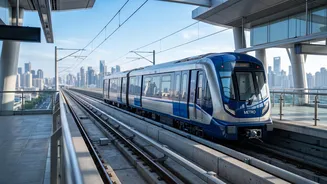
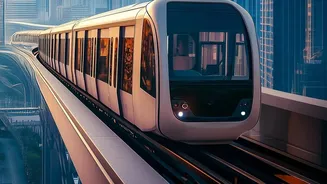
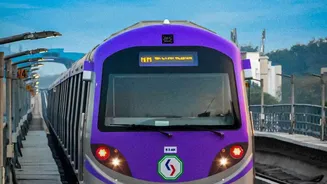
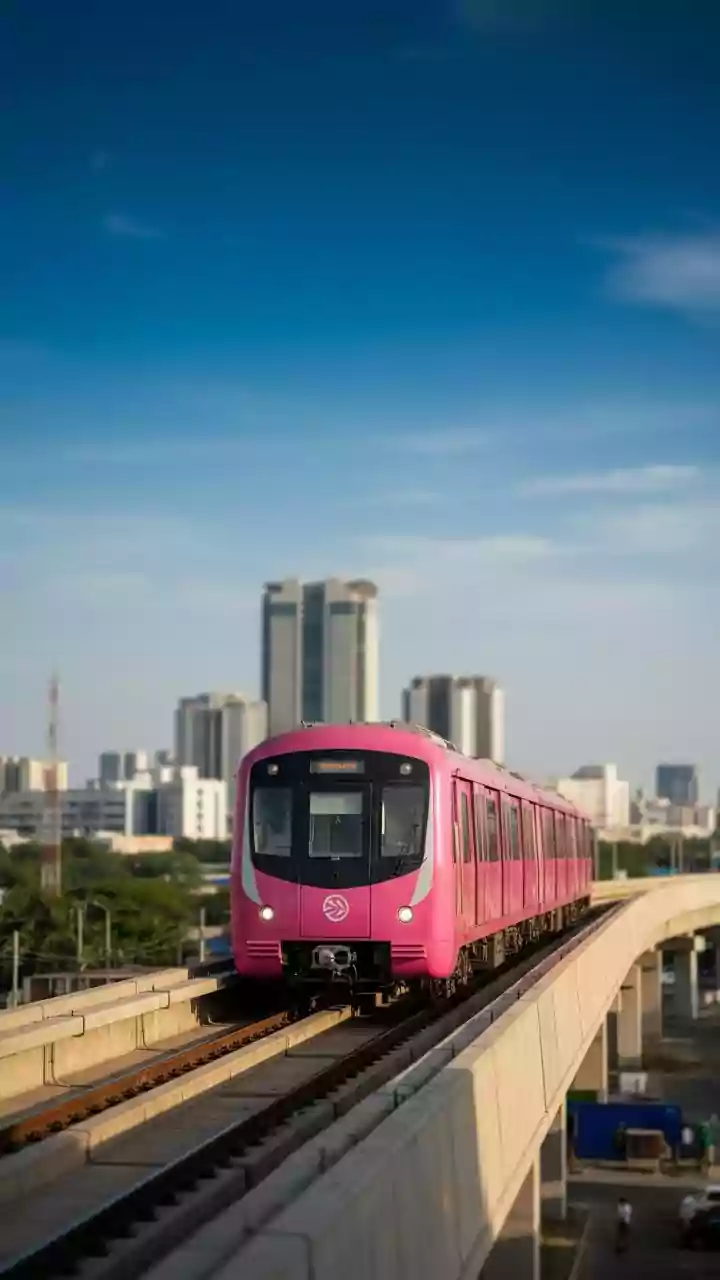
2020 on the Magenta Line, the Unattended Train Operation (UTO) system is a significant step in transport automation. These trains operate without a driver, relying on advanced Communication-Based Train Control (CBTC) technology to manage speed, braking, and station stops. The system currently runs on the Magenta and Pink Lines, covering about 120 km of the network with a fleet of 100 UTO-enabled trains.
The DMRC's Case for Expansion
The Delhi Metro Rail Corporation (DMRC) is championing the success of its driverless lines as a model for the nation. Vikas Kumar, the managing director of DMRC, argues that the technology brings greater flexibility to operations, reduces the potential for human error, and improves the availability of coaches for service. He has highlighted that the reliability of these trains has increased significantly due to exhaustive self-tests performed before each service run. The current 120 km driverless network in Delhi is already slated to expand to nearly 200 km as ongoing construction phases are completed, further solidifying its role in the capital's transit ecosystem.
The National Debate: Efficiency vs. Cost
The success in Delhi has ignited a debate about whether other Indian cities should follow suit. With metro services now operational in 26 cities, including Mumbai, Bengaluru, and Kolkata, the potential for a nationwide rollout is vast. Proponents point to major benefits: automation eliminates human error, ensures precise scheduling, and can even increase passenger capacity by removing the driver's cabin. However, critics raise valid concerns, primarily the high upfront capital costs required for the advanced signalling and control systems. Sudhanshu Mani, a former railway general manager, cautions that India should conduct its own cost-benefit analysis rather than simply following global trends, especially given the country's lower staffing costs compared to the developed world.
Addressing Challenges and the Road Ahead
One of the most significant concerns surrounding automation is the potential for job losses. However, the DMRC reports that no train operators have been laid off since the UTO system was introduced in 2020. Instead, the approximately 3,000 operators have been redeployed to other crucial roles like station management and crowd control. As other cities move toward automation, this strategy of retraining and redeployment will be critical. Meanwhile, new driverless projects are already underway. Chennai is expanding its network with fully automated trains, and similar systems are being deployed for new lines in Mumbai and Bengaluru. These projects, many manufactured under the 'Make in India' initiative, signal a clear momentum toward a more automated future for urban rail transit across the country.