


The Agility to Beat Gridlock
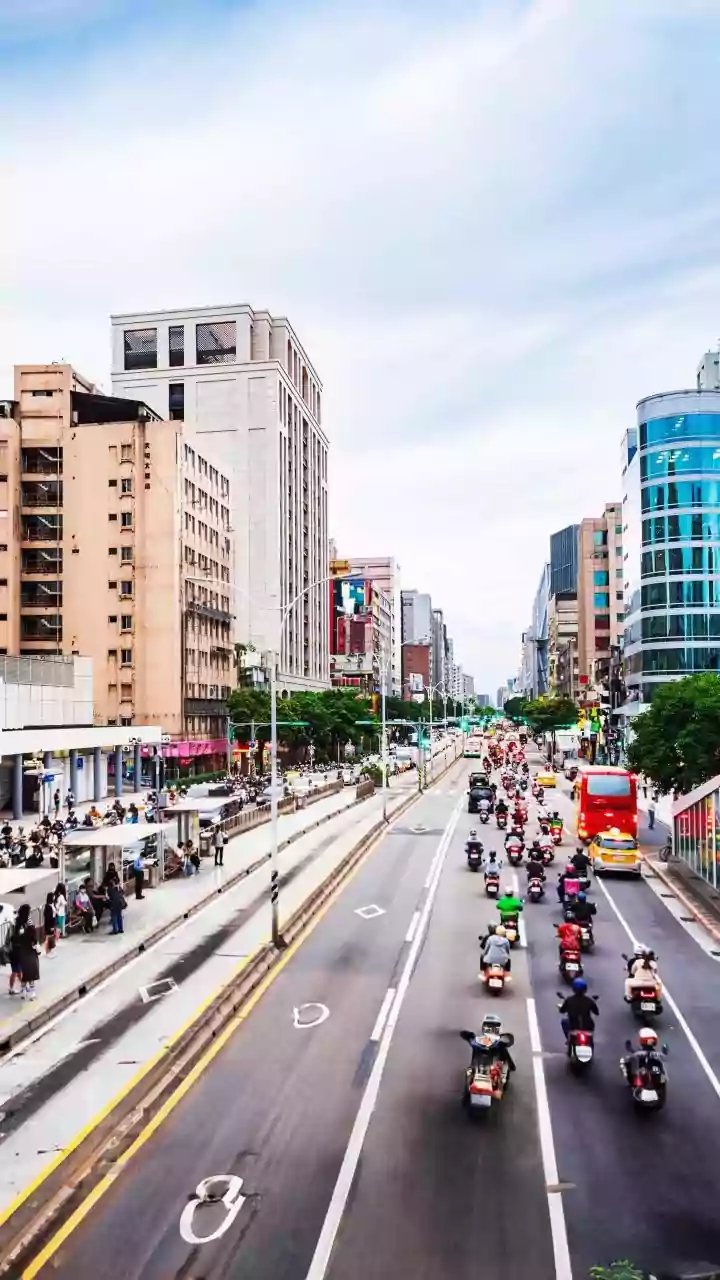
In cities like Bengaluru and Pune, which consistently rank among the world's most congested, commuters can lose hundreds of hours a year stuck in traffic. This is where the primary advantage of a two-wheeler shines: its manoeuvrability. Motorcycles and scooters
can navigate narrow gaps and filter through slow-moving or stationary traffic where cars are trapped. This ability to slice through congestion doesn't just reduce frustration; it translates into significant time saved every single day. For a commuter, reclaiming 30 to 60 minutes daily is a massive improvement in quality of life, offering more time for family, work, or leisure, rather than staring at the bumper of the car ahead.
A Clear Economic Advantage
Beyond saving time, two-wheelers offer substantial financial benefits. The initial purchase price is significantly lower than that of a car, and with recent GST reforms making many models cheaper, they are more accessible than ever. But the savings continue long after the initial purchase. Two-wheelers provide far superior mileage, and with fuel prices being a constant concern, the lower running cost is a major relief for household budgets. Furthermore, maintenance, insurance, and even toll taxes—from which two-wheelers are often exempt—are all considerably cheaper, making the total cost of ownership a fraction of that for a four-wheeler.
Solving the Parking Puzzle
Finding a parking spot for a car in a dense Indian city can feel like a treasure hunt with no treasure. Urban roads are frequently clogged by illegally parked cars, and finding a legal, safe spot is a major source of anxiety and conflict. In contrast, a two-wheeler can be parked in a fraction of the space. This makes everything from a quick trip to the market to daily office commuting far more convenient. The ease of parking opens up accessibility to crowded commercial areas and reduces the 'cruising' time spent searching for a spot, which itself is a major contributor to congestion and pollution.
Masters of Last-Mile Connectivity
Even with expanding metro networks, a common challenge for commuters is getting from the station to their final destination—the 'last mile'. Two-wheelers are the perfect solution to this problem. They bridge the gap between public transport hubs and homes or offices efficiently and affordably. This role is so vital that a massive ecosystem of bike-taxis and delivery services has been built on the back of two-wheelers, highlighting their importance in the urban mobility fabric. They provide a flexible, on-demand transport layer that public transport alone cannot offer.
The Electric Evolution
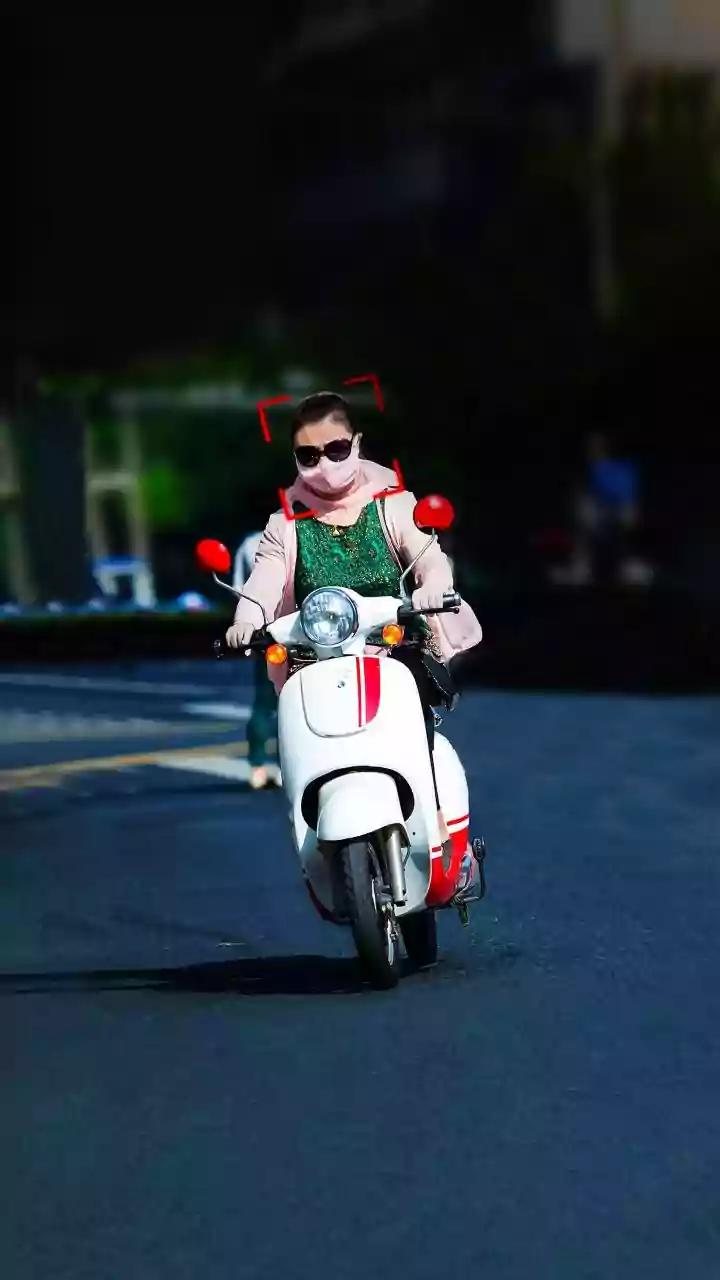
The future of two-wheelers is becoming even more practical and sustainable with the rapid rise of electric models. Spurred by government incentives, rising fuel prices, and growing environmental awareness, the electric two-wheeler market in India is booming. These vehicles offer even lower running costs—with electricity being cheaper than petrol—and minimal maintenance. With improving battery technology and an expanding network of charging stations, electric scooters and motorcycles are poised to become the default choice for smart, green, and cost-effective urban commuting, solidifying the two-wheeler's place as an indispensable urban tool.