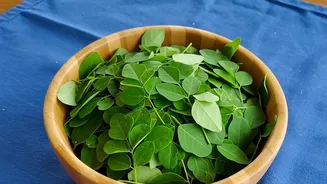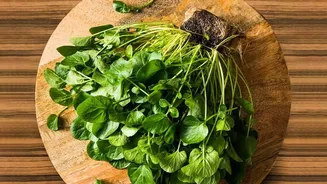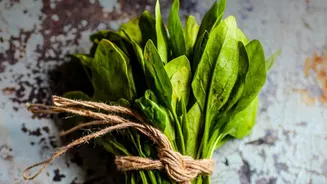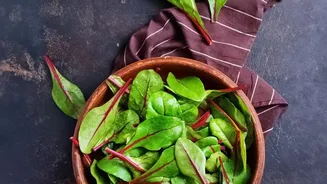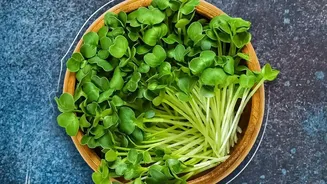

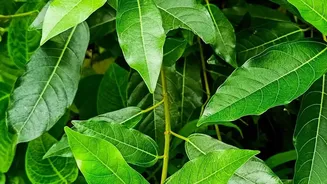
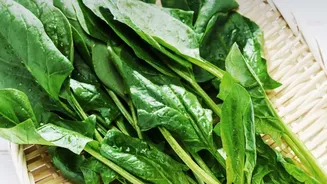
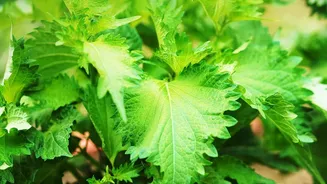
Deep in the forests of Central India, a culinary treasure emerges for only a few weeks a year. These are not farmed vegetables, but wild, indigenous greens whose fleeting presence is precisely what makes them a highly valued gourmet ingredient.
The Forest’s Fleeting Bounty
Long before
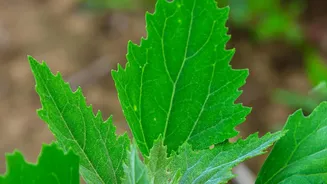
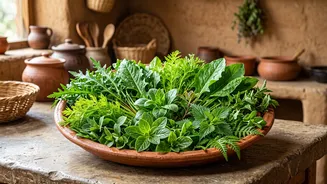
'farm-to-table' became a culinary trend, indigenous communities in regions like Madhya Pradesh, Chhattisgarh, and Jharkhand have practiced a 'forest-to-table' way of life. Their diets are deeply connected to the natural cycles of the land, especially during the monsoon season. This is when the forests come alive with a stunning variety of wild edible greens, known locally as 'raan bhaji' or 'saag'. These are not cultivated crops but plants that sprout naturally, thrive in the rains, and disappear just as quickly. This includes a diverse range, from the tender shoots of bamboo and the grassy stalks of phodshi to the earthy leaves of plants like 'chech bhaji' and 'bohar bhaji'. Their availability is limited to a narrow, season-specific window, making them a true ephemeral delicacy. This scarcity, driven by nature’s clock, is the first step in their journey toward becoming gourmet treasures.
A Taste of the Terroir
What sets these wild greens apart is their complex flavour profile, something that cannot be replicated in commercially grown produce. Their taste is a direct expression of the soil, water, and ecosystem they come from—the very definition of terroir. Some greens might have a peppery bite, others a subtle, earthy bitterness, and some a fresh, grassy note. For example, 'shevla', or dragon stalk yam, is prized for its almost meaty texture and earthy flavour. These unique characteristics provide chefs with a palette of flavours that are both novel and deeply rooted in Indian culinary heritage. Unlike the uniform taste of mass-produced spinach or lettuce, each wild green carries a story of its specific environment, offering a distinct culinary experience that adventurous diners and high-end restaurants increasingly seek.
Guardians of Ancient Knowledge
The collection of these greens is a craft in itself, perfected over generations by Adivasi communities. Foraging is far from random picking; it is a science based on profound ecological knowledge. Communities know exactly which plants are edible, when they are at their flavourful peak, and how to harvest them sustainably to ensure they regenerate the following year. This traditional knowledge is vital, as many wild plants have lookalikes that can be inedible. The foragers are not just collecting food; they are practicing a sustainable livelihood that has preserved the biodiversity of these forests for centuries. This human element—the story of ancient traditions and the communities who are keepers of this knowledge—adds an invaluable layer of cultural significance to the ingredients, elevating them beyond mere produce to cultural artefacts.
From Forest to Fine Dining
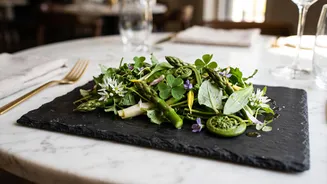
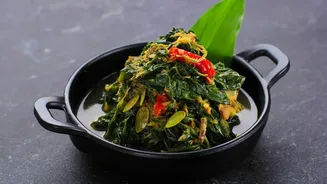
In recent years, a growing number of India’s most innovative chefs have begun to look beyond conventional supply chains and into the wild for inspiration. Chefs like Vanika Choudhary of Noon and formerly of OMO, and Thomas Zacharias of The Locavore, have been instrumental in showcasing these foraged ingredients on urban menus. By collaborating directly with indigenous communities and foragers, they are bringing greens like 'kena' and 'pendhra' to a new audience. On a fine dining plate, these greens are not just a side dish. They might be the star of a delicate broth, a surprising element in a modern salad, or a flavourful component in a complex sauce. This introduction into high end cuisine does more than just create exciting new dishes; it validates the ingredient’s worth, sparking curiosity and appreciation among diners.
More Than a Meal
The journey of these wild greens from the forests of Central India to a gourmet plate is about much more than just food. It represents a powerful connection between ecology, culture, and economy. Their high value is a combination of their intense, unique flavours, their limited seasonal availability, and the rich cultural stories they embody. Supporting the market for these greens also provides a vital source of income for foraging communities, helping to preserve their traditional knowledge and way of life. These wild vegetables are nutritional powerhouses, often containing more micronutrients, fibre, and antioxidants than their cultivated counterparts. In a world moving towards homogenous, year round produce, these seasonal wild greens are a delicious and profound reminder of the value of biodiversity and the richness of India's culinary heritage.