






The Myth We All Grew Up With
Many of us were taught that putting hot food directly into the refrigerator is a bad idea. The reasons given are often twofold: it might damage the appliance by making it work too hard, and it could cause the food itself to spoil. This advice has been
passed down through generations, originally stemming from an era when refrigerators were less powerful and could indeed struggle with sudden temperature changes. However, with modern appliances, this long-held belief is not just outdated—it’s potentially dangerous. Letting food sit out to cool is one of the most common mistakes in home food handling.
The Reality: A Race Against the 'Danger Zone'
The core of food safety revolves around a concept called the 'Temperature Danger Zone'. According to food safety authorities like the FSSAI, this is the temperature range between 5°C and 60°C. Within this zone, harmful bacteria can multiply at an astonishing rate, sometimes doubling in as little as 20 minutes. When you leave a pot of freshly cooked food on your kitchen counter, it spends hours cooling down right in the middle of this bacterial breeding ground. The goal is to move food through this danger zone as quickly as possible, and that means active, rapid cooling—not passive waiting.
The Two-Hour Rule Is Your Guide
So how long is too long? The universal food safety guideline is the two-hour rule. Perishable foods, including all your cooked meal-prep dishes, must be refrigerated within two hours of being cooked. If the room temperature is high, such as over 32°C on a hot Indian afternoon, this window shrinks to just one hour. After this point, the level of bacterial growth can become risky, even if the food still looks and smells perfectly fine. Many of the bacteria that cause foodborne illness do not alter the appearance or odour of food, giving a false sense of security.
The Risk of 'Fried Rice Syndrome'
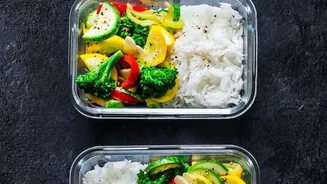
Certain foods, especially starchy ones like rice and pasta, are particularly susceptible to a type of bacteria called Bacillus cereus. This bacterium produces spores that can survive the initial cooking process. If cooked rice is left at room temperature for too long, these spores can germinate, multiply, and produce heat-resistant toxins. This leads to a type of food poisoning sometimes called 'fried rice syndrome', which can cause vomiting and diarrhea. Crucially, reheating the food will not destroy these toxins once they have formed. This makes proper cooling not just a suggestion, but a necessity for staple foods like rice.
How to Cool Your Food Like a Pro
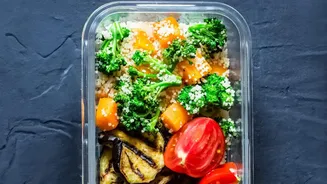
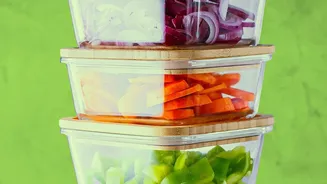
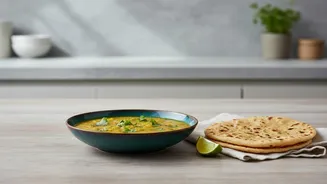
Waiting for food to cool isn't the answer, but putting a large, steaming pot directly into the fridge isn't ideal either, as it can raise the ambient temperature and slightly warm nearby foods. The best practice is rapid cooling. Here’s how: 1. Divide and Conquer: Don't cool food in one large pot. Separate it into smaller, shallower containers. A depth of two inches or less is ideal as it allows heat to escape much faster. 2. Use an Ice Bath: For soups, dals, and stews, place the smaller container into a larger bowl or sink filled with ice and water. Stir the food occasionally to speed up the process. 3. Spread It Out: For solid foods like sabzi or roasted chicken, spread them in a single layer on a baking sheet before refrigerating. 4. Allow Airflow: When you first place the containers in the fridge, leave them loosely covered or vented so heat and steam can escape. Once the food is fully chilled to 4°C, you can seal the lids tightly.