







Skipping the Mega-Hub Hassle
For decades, an international trip for anyone living outside of Delhi, Mumbai, or Bengaluru involved a journey before the journey: a domestic flight or a long train ride just to reach a major airport. This added significant time, cost, and stress, often
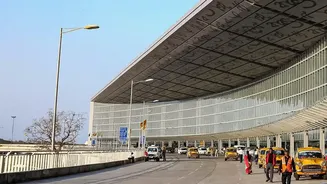
involving navigating huge, crowded terminals and facing the risk of missed connections. Now, a growing number of direct flights are changing that reality. Airlines are increasingly launching services from Tier-2 cities—like Jaipur, Lucknow, Ahmedabad, and Amritsar—directly to popular Southeast Asian destinations. This shift means travelers can begin their international holiday from a familiar local airport, cutting down total travel time by several hours and eliminating the dreaded domestic layover. This convenience is a game-changer, making international travel less of an ordeal and more of an accessible adventure.
The Cost Equation Changes Dramatically
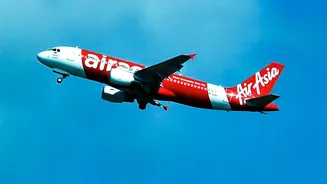
The expansion is largely driven by low-cost carriers like IndiGo, Air India Express, and VietJet, whose entire business model is built on offering affordable fares. By connecting smaller Indian cities with destinations in Thailand, Vietnam, and Malaysia, these airlines are bringing international travel within reach for a massive new demographic of middle-class and first-time flyers. Previously, a multi-leg journey on a full-service airline was the only option, making the trip prohibitively expensive for many. Today, a direct flight on a budget airline can be significantly cheaper, freeing up funds for travelers to spend on experiences at their destination. This affordability is a key driver behind the boom in outbound tourism from India's non-metro areas, which now account for over 60% of the country's international travelers.
A New World of Destinations Opens Up
This boom in connectivity isn't just about making it easier to reach the usual hotspots like Bangkok and Singapore. It's about opening up a wider array of culturally rich and budget-friendly destinations. Vietnam, in particular, has seen a surge in popularity, with airlines aggressively adding routes to Hanoi and Ho Chi Minh City from various Indian cities. These destinations are appealing for their vibrant food scenes, historical sites, and natural beauty, offering a different experience from the more established hubs. Direct flights to places like Phuket and Krabi in Thailand or Kuala Lumpur in Malaysia from cities such as Hyderabad and Jaipur further expand the options, allowing travelers to explore beyond the well-trodden path without complex itineraries.
The Rise of the Aspirational Traveler
This trend is about more than just logistics and cost; it's a cultural phenomenon. It reflects the rising aspirations of a young, digitally savvy population in India's Tier-2 and Tier-3 cities. With growing disposable incomes and greater exposure to global trends through social media, the desire to travel internationally has exploded. Southeast Asia is often the first international trip for this new generation of travelers, thanks to its proximity, affordability, and streamlined e-visa processes in countries like Vietnam and Thailand. Airlines are tapping directly into this aspirational market, recognizing that the future of outbound travel growth in India lies not just in the metros, but in its burgeoning smaller cities.
More Than Just Tourism
While leisure travel is the primary driver, the benefits of this enhanced connectivity extend to business and family ties. Direct flights facilitate easier trade and collaboration for small and medium-sized businesses in emerging industrial cities, connecting them more efficiently to the dynamic economies of the ASEAN region. It also simplifies travel for a large number of people working or studying across Southeast Asia, making it easier and cheaper to visit family back home. This two-way street of tourism and business stimulates growth at both ends, boosting local economies in India's heartland and in the Southeast Asian cities they now connect to.