

Your First Defence: Rainwear
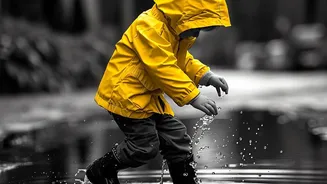
This is non-negotiable. A high-quality, breathable rain jacket and a pair of waterproof pants are your first line of defence. Look for a jacket with a hood that cinches down to protect your face without blocking your vision. A simple poncho can also work
and has the added benefit of covering you and your backpack. However, a dedicated jacket offers better mobility on tricky trails. The key is to find gear that keeps rain out but also lets sweat escape, as feeling damp from the inside is just as bad. Aim for a jacket rated at 10,000mm or higher for waterproofing to withstand sustained downpours.
The Golden Rule: No Cotton
If you remember one thing, make it this: leave all cotton clothing at home. Cotton absorbs moisture, takes forever to dry, and will make you feel cold and miserable once it's wet. Instead, pack clothes made from quick-drying synthetic fabrics like polyester or nylon. Think in layers: a moisture-wicking base layer t-shirt, a light fleece jacket for warmth, and your waterproof shell on top. This system allows you to adapt to changing temperatures by adding or removing layers as needed. Always pack at least one extra set of quick-dry clothes in a sealed dry bag.
Footwear: Grip is Everything
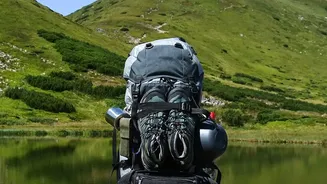
Monsoon trails are notoriously slippery, a mix of mud, wet rocks, and slick roots. Your choice of footwear is crucial for safety. Invest in proper waterproof trekking shoes with deep lugs for excellent grip and good ankle support. Regular sports shoes or sneakers will not suffice and are a recipe for a dangerous fall. Just as important are your socks. Pack multiple pairs of synthetic or wool socks. Avoid cotton here, too. Some trekkers also swear by waterproof socks or leech-proof socks, which are essential in leech-prone areas like the Western Ghats.
Keep Your Gear Dry: Backpack Protection
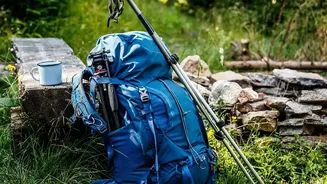
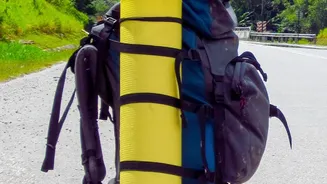
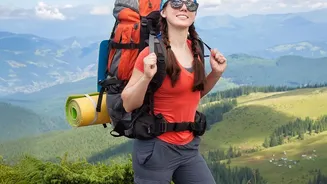
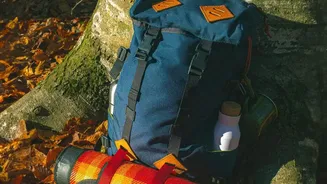
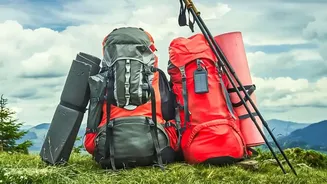
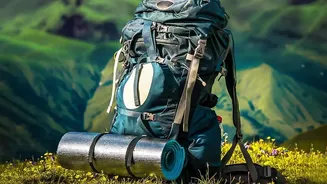
Even if your backpack claims to be water-resistant, it won't hold up against hours of Indian monsoon rain. A bright, well-fitting rain cover for your rucksack is an absolute must. But don't stop there. For a second layer of protection, line the inside of your backpack with a large plastic bag or a dedicated pack liner. Then, compartmentalise your belongings—especially electronics, warm layers, and your first-aid kit—into smaller dry bags or Ziploc pouches. This ensures that even if your main pack gets damp, your critical essentials remain completely dry.
Essential Tools for the Trail
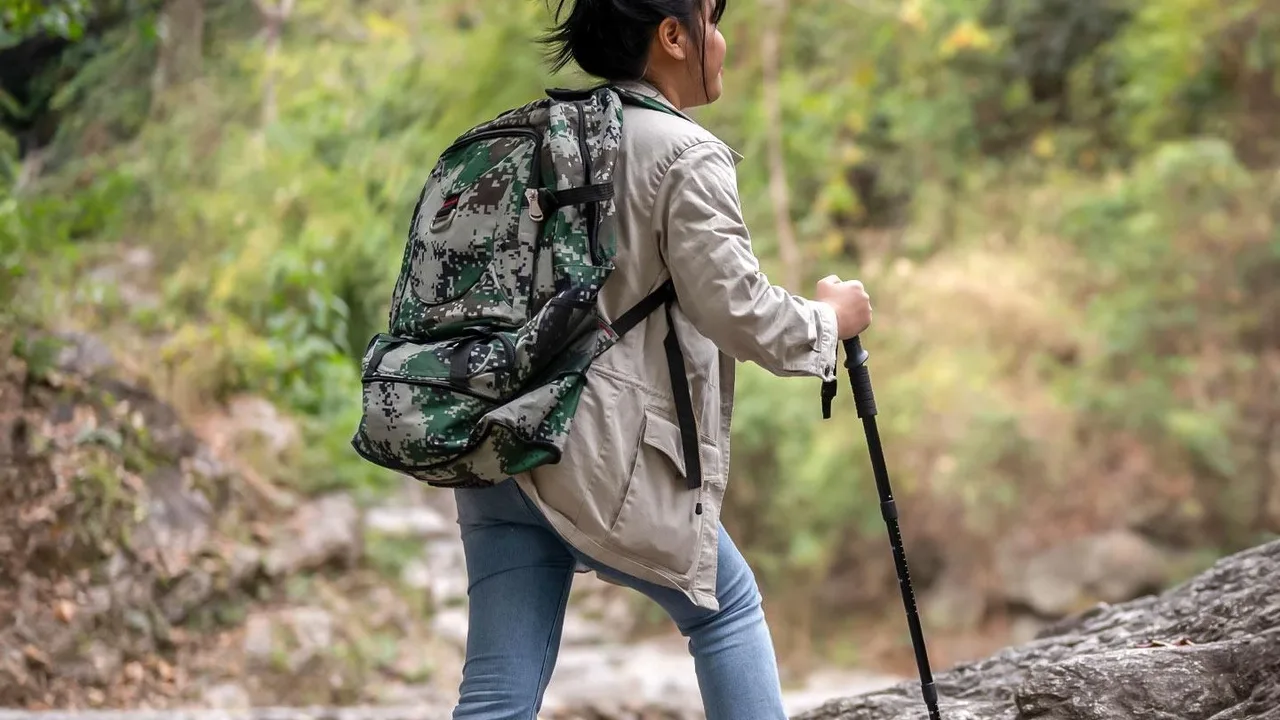
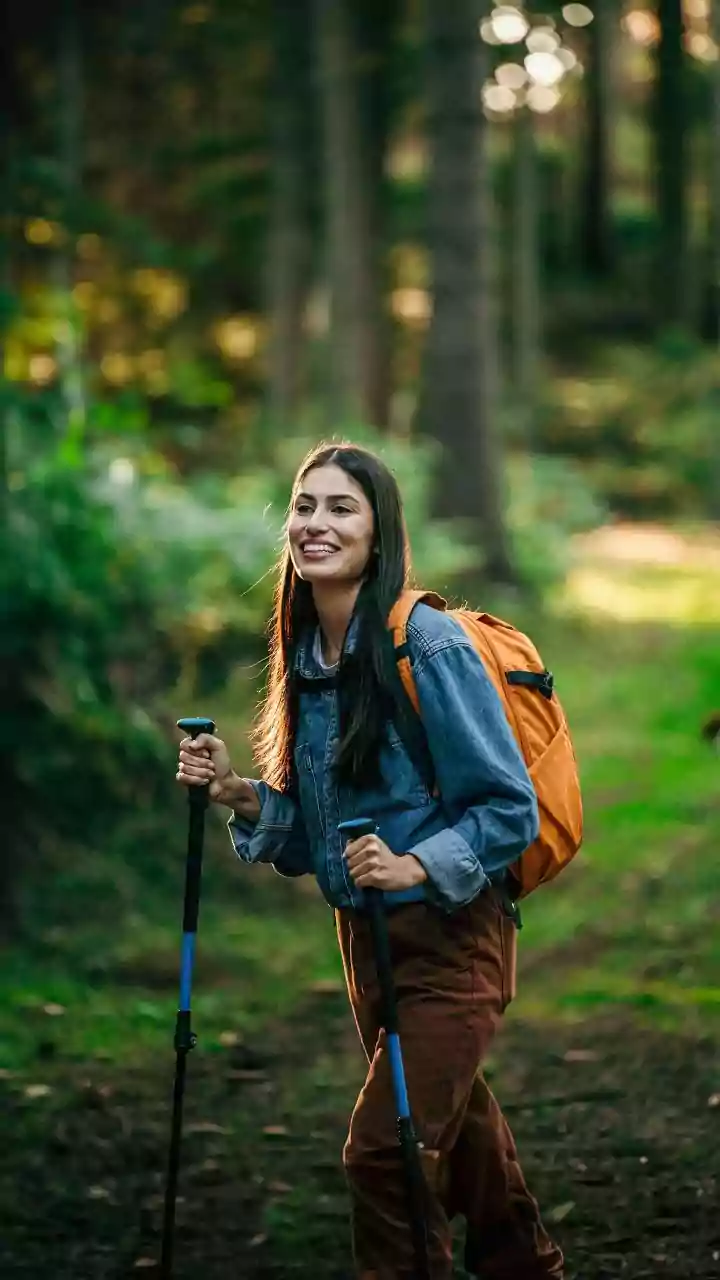
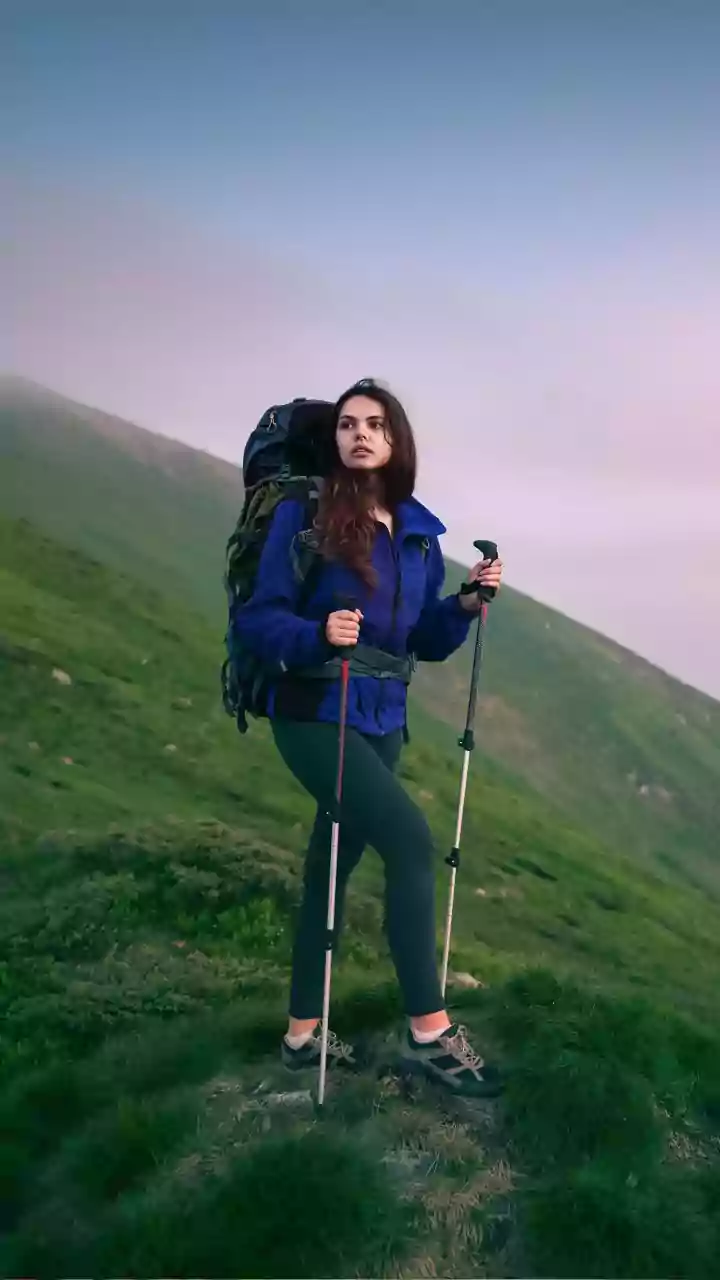
A few key pieces of equipment can make a huge difference. Trekking poles are a game-changer on slippery descents, providing stability and saving your knees. A headlamp with extra batteries is crucial, as heavy cloud cover can bring an early dusk. Don't forget a basic first-aid kit tailored for the trail, including antiseptic wipes, band-aids for blisters, pain relievers, and any personal medications. Insect repellent is also wise, especially for forest trails. Lastly, carry a power bank to keep your phone and navigation devices charged, as you can't rely on finding a charging point.
Small Things That Make a Big Difference
Some of the most useful items are the ones people often forget. A sun cap worn under your raincoat's hood can be surprisingly effective; its brim keeps rain from dripping onto your face and obscuring your vision. Pack a quick-dry towel, which is much more practical than a bulky cotton one. Carrying extra plastic bags is always a good idea for packing out trash or storing wet clothes. And finally, bring a pair of lightweight sandals or clogs for wearing at your campsite or guesthouse. Giving your feet a break from wet boots is one of the best feelings after a long day of trekking.