


Understanding Fermented Foods
Fermented foods are foods and beverages that have undergone a process of controlled microbial growth. This might sound complicated, but it's a natural process used for thousands of years to preserve food and enhance its flavour. During fermentation, microorganisms
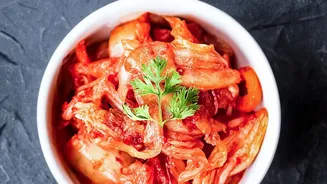
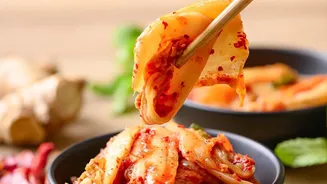
like bacteria and yeast break down components like sugars and starches. This not only preserves the food but also creates beneficial enzymes, B-vitamins, and various strains of probiotics. Common examples you might know include yogurt, kefir, sauerkraut, kimchi, and kombucha. True fermented foods are those preserved in salt, not vinegar, so be sure to check labels if you're buying them from a store.
The Role of Stomach Acid in Digestion
Stomach acid, or hydrochloric acid (HCl), is a cornerstone of a healthy digestive system. Its primary job is to break down the foods you eat, particularly proteins, so your body can absorb their nutrients. It also acts as a first line of defense, sterilizing your food and killing off harmful bacteria and pathogens that might have been ingested. When stomach acid levels are too low—a condition known as hypochlorhydria—it can lead to poor nutrient absorption, and symptoms like bloating, gas, and general discomfort because food isn't being properly broken down.
How Fermentation Supports a Healthy Balance
This is where fermented foods come in. They can help support healthy stomach acid levels and overall digestion in a few key ways. Firstly, they are rich in probiotics, which are beneficial bacteria that help maintain a healthy balance in your gut microbiome. A balanced gut environment is crucial for overall digestive function. While probiotics don't directly produce stomach acid, they help combat harmful bacteria that can thrive when acid is low. Secondly, the fermentation process itself partially breaks down the food, making it easier for your body to digest and absorb nutrients. Think of it as giving your digestive system a head start.
Perfect Ferments to Try in August
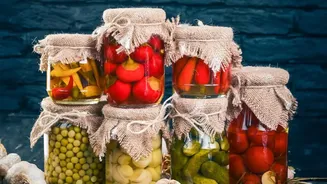
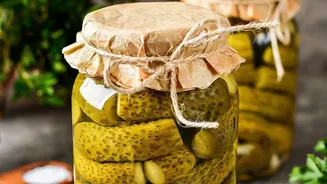
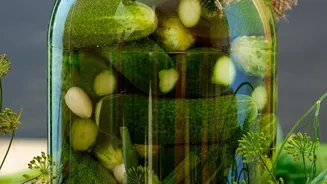
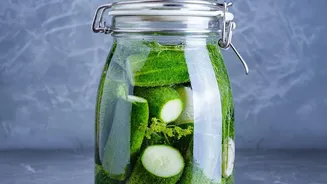
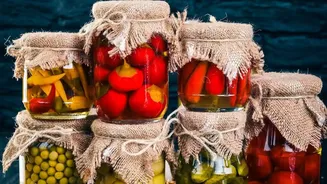
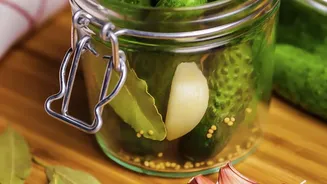
August offers an abundance of fresh produce that is perfect for home fermentation projects. It's a fantastic way to preserve the summer harvest. Consider making real, lacto-fermented pickles with fresh cucumbers and dill—they're crunchier and more complex than their vinegar-soaked counterparts. Summer tomatoes and peppers can be transformed into a vibrant fermented salsa. Even zucchini and summer squash can be turned into a delicious, tangy relish. These ferments not only capture the taste of the season but also provide a daily dose of probiotics to support your gut through the end of summer and beyond.
Getting Started With Fermented Foods
If you're new to fermented foods, the key is to start slowly. Introducing too many new bacteria to your gut at once can sometimes cause temporary gas or bloating. Begin with a small serving, such as a tablespoon of sauerkraut with your dinner or a small glass of kefir in the morning, and see how your body feels. Making them at home can be incredibly rewarding and simpler than you think; often all you need are vegetables, salt, and a jar. This also gives you complete control over the ingredients, avoiding the added sugars or vinegar found in many store-bought options.