




The Great Indian Coffee Awakening
A significant transformation is brewing in Indian kitchens and cafes. The once-dominant culture of convenient, quick-fix instant coffee is gradually giving way to a more considered and sophisticated appreciation for brewed coffee. This is not just a change
in beverage choice; it's a cultural shift. Spurred by rising disposable incomes, global exposure, and a burgeoning café culture, consumers are becoming more curious and discerning. They are no longer content with a generic caffeine hit. Instead, they seek authenticity, quality, and a story in their cup, a journey that is leading them to the verdant coffee-growing regions of our own country. This trend, often called the 'third wave' of coffee, prioritizes the unique characteristics of the coffee bean itself, moving it from a simple commodity to a craft experience.
Decoding 'Single-Origin'
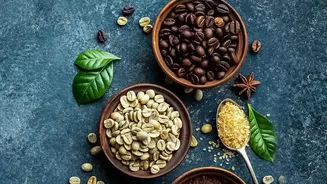
So, what exactly is 'single-origin' coffee? Unlike blends, which combine beans from various locations to achieve a consistent flavour profile, single-origin coffee comes from a single known geographical location. This could be a single farm, a specific micro-lot on that farm, or a cooperative of farmers in a particular region. The magic lies in the concept of 'terroir'—the idea that the soil, climate, altitude, and processing methods of a specific place impart a unique flavour fingerprint onto the beans. Think of it like wine; a Merlot from France tastes distinctly different from one grown in Nashik. Similarly, coffee from a specific estate in Chikmagalur will have tasting notes that distinguish it from any other in the world, offering a pure, unadulterated expression of its origin.
Exploring the Terroir of South India
The heart of India's coffee production lies in the misty hills of the Western Ghats in South India. Karnataka alone produces over 70% of the country's coffee, with Kerala and Tamil Nadu also being significant contributors. These regions are home to legendary coffee-growing districts, each with its own character. Chikmagalur in Karnataka, often called the birthplace of Indian coffee, is renowned for its high-quality Arabica beans that carry notes of caramel and chocolate with balanced acidity. Nearby, the high-altitude estates of Coorg (Kodagu) produce full-bodied coffees, often grown alongside spices like cardamom and pepper, which can lend subtle spicy aromas to the cup. Other notable regions like the Bababudangiri hills are prized for beans with bright, floral notes, making South India a treasure trove of diverse flavours waiting to be discovered.
From Estate to Your Cup
This shift wouldn't be possible without a new generation of Indian roasters and coffee brands who are championing homegrown beans. Companies like Blue Tokai, Araku Coffee, and numerous smaller roasteries are forging direct relationships with estates across South India. By sourcing directly, they ensure traceability and freshness, often printing the roast date on every pack. They are telling the stories of the farms and farmers, connecting the consumer to the coffee's journey from a hand-picked cherry on a shade-grown plant to the aromatic brew in their mug. This farm-to-cup movement has also been propelled by the pandemic, which saw a surge in home brewing as people sought to replicate café experiences at home, investing in equipment and experimenting with beans from estates like Ratnagiri and Harley.
A Ritual of Taste and Identity
Ultimately, the move towards single-origin coffee is about more than just taste; it's about experience and identity. For many, especially millennials and Gen Z, coffee is no longer just a functional beverage but a daily ritual and a form of self-expression. The process of grinding fresh beans, the aroma that fills the kitchen, and the mindful act of brewing using a French press or pour-over has become an intentional pause in a busy day. It reflects a wider cultural move toward mindful consumption, an appreciation for craftsmanship, and a desire to support local producers. As consumers become more educated about what they are drinking, they are finding pride and pleasure in the world-class coffee grown in their own backyard.