


From Sightseeing to 'Story-living'
There's a fundamental shift happening in what Indian travellers want from a vacation. The passive act of sightseeing is being replaced by a desire for active, immersive experiences. According to a recent Skyscanner report, a remarkable 67% of Indians
now plan their holidays around cultural experiences like festivals, regional food, and local traditions. This isn't just about seeing a place; it's about connecting with it. Travellers are increasingly seeking trips that align with personal interests, whether it's wellness, spirituality, or outdoor adventure. This 'Era of You' in travel means the destination is often secondary to the experience itself, a trend that is reshaping tourism away from a one-size-fits-all model.
The Rise of the Rural Retreat
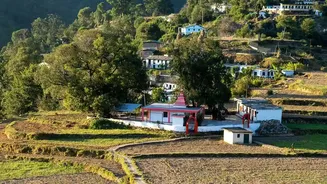
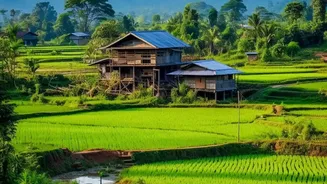
The true essence of India has always resided in its villages, and travellers are now exploring them like never before. This has given a major boost to rural and agritourism, where visitors stay on working farms or in village homestays, participating in the rhythms of local life. States like Maharashtra, which pioneered an official agritourism policy, have seen significant growth in this sector. The appeal is clear: it’s a chance to escape urban chaos, learn a traditional craft, enjoy home-cooked meals, and form genuine connections. For rural communities, it provides a vital source of income without requiring massive new construction, often utilising existing homes and creating a more sustainable economic model.
Nature's Calling, and Travellers are Answering
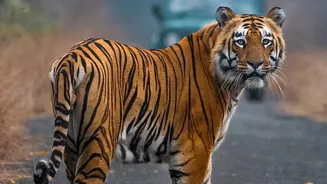
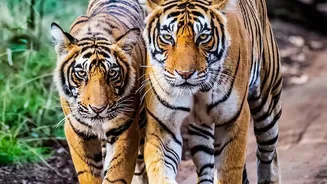
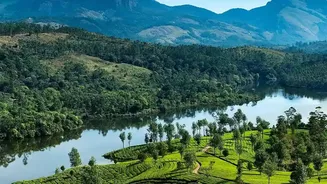
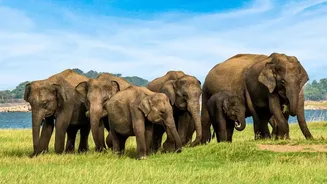
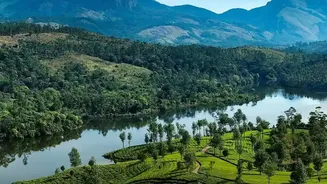
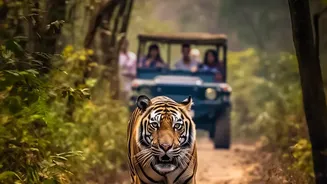
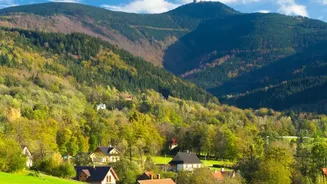
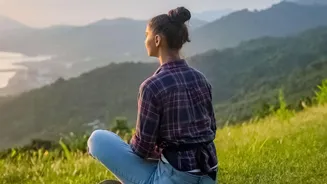
The search for open spaces and pristine landscapes is driving a boom in eco-friendly and nature-based travel. Travellers are venturing beyond the most famous national parks to explore lesser-known wildlife lodges, trekking routes, and biodiversity hotspots. Hill stations like Rishikesh and Mussoorie have seen a dramatic surge in interest, with searches for Rishikesh growing by over 200% year-on-year. This trend is part of a broader interest in wellness and slower, more conscious travel. The Indian ecotourism market is forecast to grow significantly, reflecting a deep-seated desire to reconnect with the environment in a responsible way.
The Social Media Compass
This shift towards offbeat destinations is being heavily influenced by social media. A single viral reel can turn a quiet village into the internet's next must-visit spot. Platforms like Instagram and YouTube have become primary sources of travel inspiration, with some reports indicating that over 89% of tourists use them for research. This digital word-of-mouth is particularly powerful among younger travellers, who are drawn to unique, 'Instagrammable' experiences. Influencers and user-generated content are effectively creating a new travel map of India, highlighting hidden gems and encouraging exploration far beyond the traditional tourist circuits.
A Taste of Place
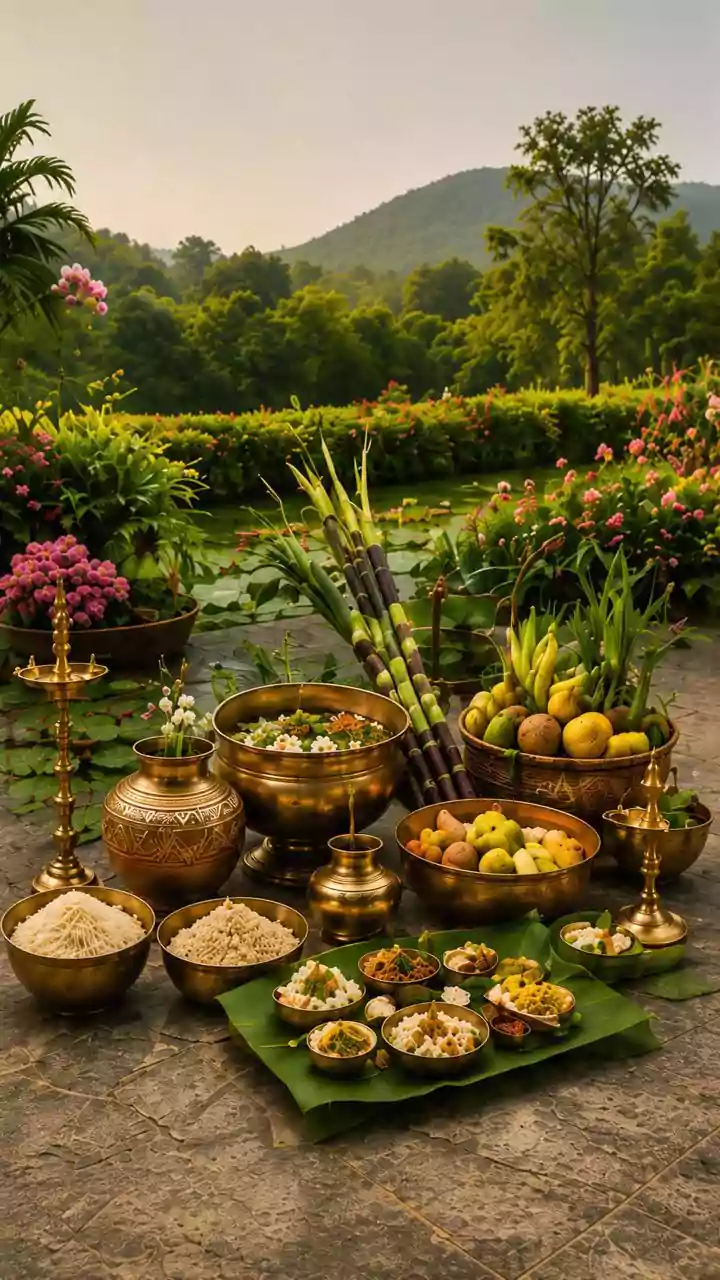
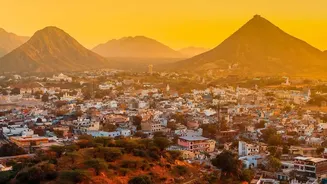
Food has become a destination in itself. Culinary tourism is no longer just about fine dining; it's about discovering the story behind a region's cuisine. One in four travellers is now venturing into Tier II and Tier III towns in search of authentic cultural and culinary experiences. This could mean taking a cooking class in a local's home, following a food trail through a specific region, or planning a trip to coincide with a food festival. This focus on regional cuisine provides a powerful, sensory connection to a place, allowing travellers to understand its history and culture through its flavours.