




The Science Behind the Warning
Many common household cleaners release chemicals known as volatile organic compounds (VOCs). These are carbon-based chemicals that easily turn into gas at room temperature, mixing with the air you breathe. When you spray a cleaner, its VOCs become airborne.
Indoor air can have two to five times higher concentrations of these pollutants than outdoor air, partly due to these products. While you can't see them, these compounds can linger in the air for hours, contributing to indoor air pollution and posing potential health risks. This is why proper ventilation is essential; it helps to disperse these gases and reduce the concentration you inhale.
Cleaners to Use with Caution
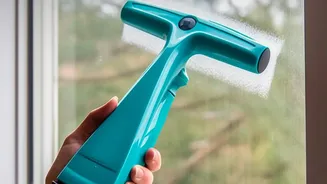
Certain cleaning agents are notorious for the potent fumes they release. Products containing bleach, ammonia, and formaldehyde are primary concerns. Oven cleaners, drain cleaners, toilet bowl cleaners, and some all-purpose sprays are also high on the list. Even products marketed with pleasant scents, like air fresheners or furniture polishes, can emit VOCs. It's crucial to read labels, as many products contain these chemicals without advertising them on the front. For instance, ammonia is a common ingredient in glass cleaners, while bleach is found in many disinfectants and mildew removers.
The Unseen Risks of Mixing Products
One of the most dangerous and common mistakes is mixing different cleaning products. Specifically, mixing bleach with any ammonia-based cleaner is extremely hazardous. This combination creates toxic chloramine gas, which can cause severe respiratory distress, chest pain, and irritation to the eyes, nose, and throat. In high concentrations, it can be life-threatening. Similarly, mixing bleach with acidic cleaners (like some toilet bowl or rust removers) can release chlorine gas, which is also highly toxic and can cause severe lung damage. The rule is simple: never mix different cleaning chemicals. Use one product at a time and rinse surfaces thoroughly between applications if needed.
Recognizing Symptoms of Poor Ventilation
If you're cleaning in a poorly ventilated space, your body might send you warning signs. Immediate symptoms of inhaling fumes can include headaches, dizziness, and nausea. You might also experience irritation in your eyes, nose, or throat, as well as coughing, wheezing, or shortness of breath. For individuals with pre-existing conditions like asthma, exposure to these fumes can trigger more severe reactions. Long-term or repeated exposure has been linked to a decline in lung function and other chronic respiratory issues. If you start to feel unwell while cleaning, stop immediately, move to an area with fresh air, and open windows to ventilate the space.
How to Ventilate Your Space Properly
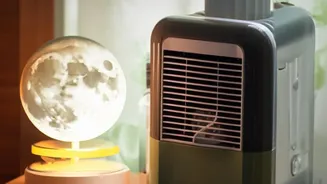
Achieving 'good ventilation' is a straightforward process. The simplest method is to open windows and doors to create a cross-breeze that allows fresh air to circulate and push the contaminated air out. When cleaning a bathroom, which is often small and enclosed, turn on the exhaust fan before you start and leave it running for a while after you finish. Using a standing or window fan can also help direct fumes outside. If you’re undertaking a heavy-duty cleaning task, try to do it on a day with low humidity and good air quality outside. Reading and following the product's instructions for use is always the first and best step toward safety.