

The Golden Thread in Our Kitchens
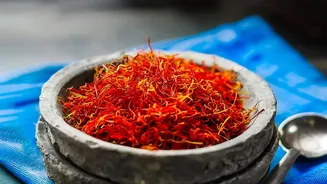
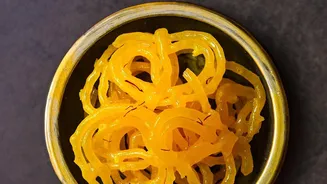
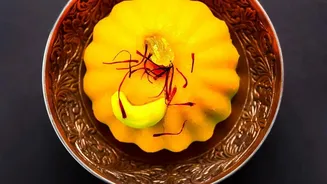
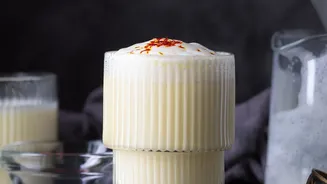
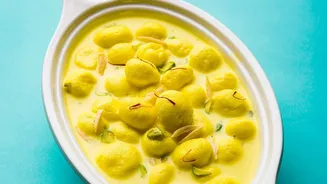
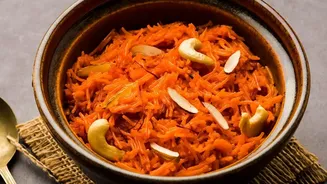
In Indian cuisine, saffron is a symbol of luxury, celebration, and careful craftsmanship. It’s the secret behind the fragrant, multi-hued rice in a Hyderabadi biryani and the comforting warmth of a bowl of kheer or kulfi. Known as 'kesar', this spice
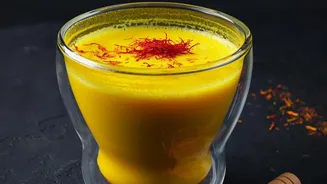
is not an everyday ingredient but one reserved for special occasions, its presence signalling care and intention. The traditional method of use involves steeping a few threads in warm milk or water before adding it to a dish. This simple step is crucial, as it gently coaxes out the saffron’s signature colour, aroma, and subtle, honeyed flavour, ensuring it elevates rather than overpowers the final preparation.
What Science Says: The Proven Benefits
Beyond its culinary magic, saffron does possess some health benefits supported by scientific research. The most well-documented is its positive effect on mood. Multiple clinical trials have found that a daily dose of around 30 mg of saffron extract can help alleviate symptoms of mild to moderate depression, with some studies showing it to be as effective as conventional antidepressants. It is also rich in antioxidants like crocin, crocetin, and safranal, which help protect cells from damage. Research also points to saffron's potential in reducing symptoms of premenstrual syndrome (PMS), supporting heart health by improving cholesterol levels, and aiding cognitive function in people with mild to moderate Alzheimer's disease.
Myth vs. Reality: Navigating the Hype
The internet is filled with grand claims about saffron, positioning it as a cure-all for everything from cancer to dramatic weight loss. It is crucial to approach these with skepticism. While preliminary lab studies have explored saffron's effect on cancer cells, there is no strong evidence to suggest it can prevent or treat cancer in humans. Similarly, while some small studies suggest it may help reduce snacking by suppressing appetite, saffron is not a magic weight-loss solution. The most sensational claims often originate from sources trying to sell supplements and are not backed by large-scale human trials. A spice, no matter how precious, should never be seen as a replacement for medical treatment for serious conditions.
A Practical Buyer's Guide to Pure Saffron
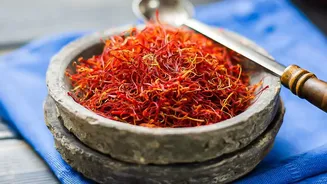
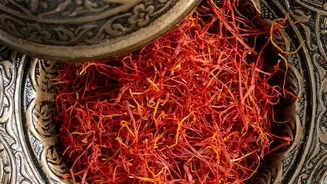
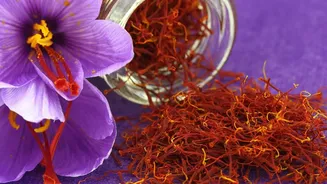
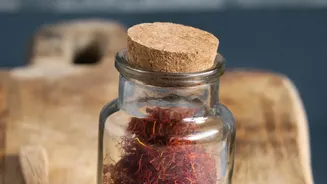
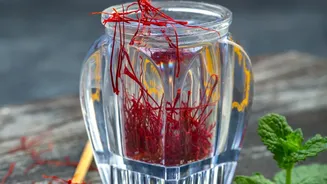
Because it’s the world's most expensive spice, the market is rife with fakes. Adulterants can range from dyed corn silk and safflower threads to coloured paper. To ensure you're buying the real deal, use your senses. Genuine saffron threads are trumpet-shaped, a deep red colour (sometimes with a lighter orange tip), and feel dry and brittle. They should have a distinct aroma of honey and hay. The most reliable home test is the cold water test: drop a few threads into a glass of cold water. Real saffron will release a golden-yellow colour slowly, while the threads themselves remain red. Fake saffron often bleeds a red or orange colour almost instantly. If the price seems too good to be true, it almost certainly is.
More Is Not Better: Safe Consumption
While saffron is safe when used in culinary amounts, taking it in very high doses, particularly as a supplement, can be risky. Doses above 5 grams can be toxic, leading to side effects like nausea, dizziness, and abdominal cramping. Pregnant women are advised to avoid saffron in large supplemental amounts, as it may stimulate uterine contractions, although its use in food is generally considered safe. For those taking medications for blood pressure or blood thinners, it's wise to consult a doctor before starting saffron supplements, as interactions are possible. The standard dose used in most clinical studies for mood benefits is around 30 mg per day of a standardised extract, far more concentrated than the pinch used in a biryani.