





The Origin of the Green Air Purifier Myth
The popular belief that houseplants are tiny green machines cleaning our indoor air can be traced back to a 1989 NASA study. Tasked with finding ways to purify the air in sealed environments like space stations, researchers found that, in a closed chamber,
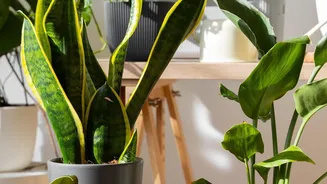
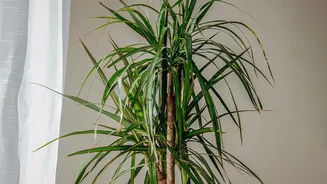
certain common houseplants could indeed remove volatile organic compounds (VOCs) like formaldehyde and benzene from the air. The study was scientifically sound for its specific purpose, showing that plants like the Peace Lily, Spider Plant, and Dracaena were effective in a small, sealed, and controlled lab setting. This exciting finding was widely publicised and quickly became a household tip, leading many to believe a few potted plants could significantly purify an entire room or home.
From a Sealed Lab to Your Living Room
The problem, as subsequent research has highlighted, is that our homes and offices are nothing like a sealed NASA chamber. A 2019 review of decades of research, published in the Journal of Exposure Science & Environmental Epidemiology, concluded that the air-cleaning effects of plants in a real-world setting are minimal. The study's authors calculated that the rate at which buildings naturally exchange air with the outdoors—a process called air exchange—dilutes pollutants far more quickly than plants can absorb them. To match the air-cleaning power of a typical building's ventilation, you would need an impractically large number of plants. Estimates suggest it would take anywhere from 10 to 1,000 plants per square meter of floor space to make a meaningful difference. For a typical 1,500-square-foot home, that could mean needing as many as 680 plants.
Why Ventilation Remains Unbeatable
The most effective way to reduce indoor pollutants and excess carbon dioxide is not by adding more plants, but by ensuring good ventilation. Simply opening windows to allow fresh air to circulate can lower concentrations of VOCs and other contaminants far more effectively than a room full of greenery. These VOCs are emitted from everyday items like furniture, paint, cleaning products, and even cooking. While plants do absorb these compounds, their rate of removal is incredibly slow compared to the volume of air in a room. Think of it this way: the natural air exchange in your home is constantly working to flush out stale air, while a plant is only slowly sipping away at the pollutants in its immediate vicinity. Therefore, relying on plants for air quality is simply not a substitute for proper circulation.
So, Should You Ditch Your Plants?
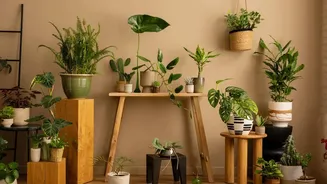
Absolutely not. While they may not be the air-purifying powerhouses we once thought, indoor plants offer a wealth of other proven benefits. Numerous studies have shown that having plants indoors can reduce stress, boost mood, and increase feelings of well-being. They add beauty and a connection to nature in our indoor spaces, which can enhance comfort and productivity. The act of caring for plants can also be a therapeutic and rewarding hobby. So, while you shouldn't rely on your ficus to scrub the air clean, you can certainly appreciate it for the calming, green presence it brings to your home. The benefits are more psychological than physiological when it comes to air quality, but they are still very real.
A Practical Plan for Fresh Indoor Air
To genuinely improve the air quality in your home, it's best to adopt a multi-pronged approach where plants are a supplement, not the primary solution. First, prioritise ventilation. Open your windows for at least 5-10 minutes each day, even in colder weather, to allow fresh air to circulate. Use exhaust fans in your kitchen when cooking and in the bathroom during showers to remove moisture and pollutants at the source. For those with allergies or in areas with high outdoor pollution, a high-efficiency particulate air (HEPA) filter can be an excellent tool for capturing airborne particles. Finally, be mindful of the products you bring into your home by choosing low-VOC paints and furnishings when possible. These steps, combined with the aesthetic joy of your houseplants, will create a healthier and more pleasant indoor environment.