







Why Training Is Only Half the Battle
Many of us think of fitness in terms of action: lifting, running, and sweating. We believe that the harder we work, the better our results will be. While effort is essential, it’s only one part of the equation. The other, often-neglected part is recovery.
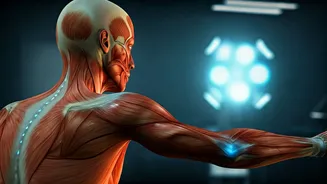
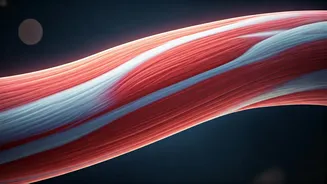
Training doesn't actually make you stronger—it’s the recovery from that training that does. [11] When you exercise, especially with intensity, you create microscopic tears in your muscle fibres. [11] This is a normal and necessary stress. But the magic happens when you rest. During recovery, your body goes to work repairing these tiny tears, fusing muscle fibres back together to form new, stronger proteins. [23] Without this crucial downtime, you're not giving your body the chance to adapt and rebuild. In short, no rest, no growth. [23]
The Science of Rebuilding Stronger
Recovery is an active biological process, not just passive rest. [9] It involves several key stages. Immediately after a workout, your body focuses on restoring balance by clearing metabolic waste from your muscles. [12] In the hours and days that follow, it gets down to the serious business of repair. This is when muscle protein synthesis—the mechanism that rebuilds damaged muscle—kicks into high gear. [2, 16] To do this effectively, your body needs specific resources, primarily protein and carbohydrates, to repair the tissue and replenish its energy stores (glycogen). [5, 20] This entire process is orchestrated by hormones. During deep sleep, your body releases growth hormone, which is vital for tissue repair and regeneration. [6, 8] Ignoring recovery means you're interrupting this essential construction phase where all your hard work is solidified.
The Pillars of Smart Recovery
So, how do you recover effectively? It comes down to a few non-negotiable pillars.
* Sleep: This is the undisputed champion of recovery. During deep sleep, blood supply to muscles increases, growth hormone is released, and tissue repair is at its peak. [4, 7] Aiming for 7-9 hours of quality sleep is one of the most powerful things you can do to ensure your body bounces back. [19]
* Nutrition: Food is the fuel for repair. Consuming protein after a workout provides the amino acids needed to rebuild muscle. [10, 14] Carbohydrates are just as critical for refilling the glycogen stores you used during exercise, which prepares you for your next session. [16, 20]
* Hydration: Water is involved in almost every metabolic function, including nutrient transport and waste removal. [3] Dehydration can slow down the recovery process significantly, so it’s vital to replenish fluids lost through sweat. [11]
* Active Recovery: On your rest days, you don't have to be completely sedentary. Light activity, like walking, gentle stretching, or yoga, can increase blood flow, which helps deliver nutrients to your muscles and clear out waste products faster than doing nothing at all. [3, 25]
Are You Under-Recovering?
It's far more common to be under-recovered than truly overtrained. [13] Many people mistake the signs of poor recovery for a lack of toughness, but pushing through can lead to plateaus, burnout, and injury. [15] Watch out for these common warning signs:
* Persistent Soreness: Feeling sore for days on end without improvement. [11, 21]
* Stagnating or Declining Performance: Your workouts feel harder, and you're not lifting as heavy or moving as fast. [13, 21]
* Constant Fatigue and Irritability: You feel mentally and physically drained, even outside the gym. [11, 24]
* Poor Sleep: Despite being tired, you have trouble falling or staying asleep. [11, 18]
* Nagging Injuries: Old issues flare up, or new minor aches and pains constantly appear. [13]
If these sound familiar, it's a clear signal from your body that it needs more support. It’s not about training less; it’s about recovering smarter.