





The Vibe: Grand & Social vs. Raw & Introspective
Ladakh in July is a well-oiled tourism machine, buzzing with energy. Leh’s cafes are full, and iconic spots like Pangong Lake and Khardung La see a steady stream of fellow travellers. It’s a social, shared adventure on a grand scale, with excellent infrastructure
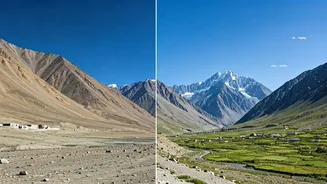
from hotels to Wi-Fi in the main town. Spiti, by contrast, is Ladakh’s introverted sibling. It remains significantly quieter, even in peak season. The experience is more intimate and raw, focused on village homestays, ancient monasteries that feel less like tourist sites and more like lived-in spiritual centres, and a profound sense of isolation. If you want to meet people and see epic, world-famous sights, choose Ladakh. If you seek solitude and a deeper cultural immersion, Spiti is your answer.
Accessibility: Fly-In Convenience vs. The Ultimate Road Trip
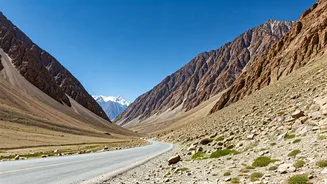
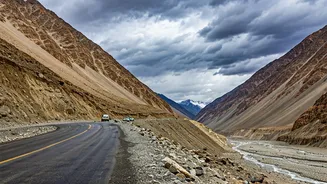
Ladakh has a major advantage in accessibility: you can fly directly into Leh. This makes shorter trips of 7-9 days feasible. For road-trippers, both the Manali-Leh and Srinagar-Leh highways are reliably open in July, offering some of the best driving conditions of the year. Spiti is a different story. There are no airports. Reaching it is the adventure itself, requiring a multi-day road trip. You have two choices: the stunning but rough route from Manali via Kunzum Pass, or the longer, more stable road from Shimla via the Kinnaur valley. The Manali-Kaza road can be challenging with water crossings. The Shimla route is safer, especially in early July, and allows for gradual acclimatization. A minimum of 10-12 days is recommended to do Spiti justice.
Weather and Landscape: Dry Desert vs. Monsoon Approaches
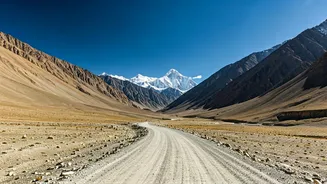
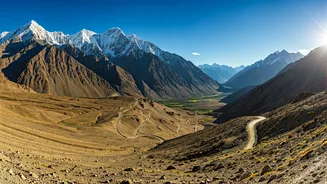
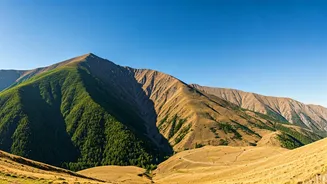
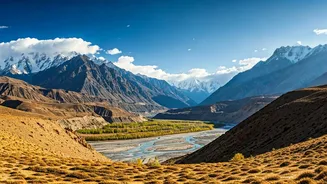
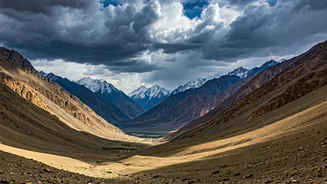
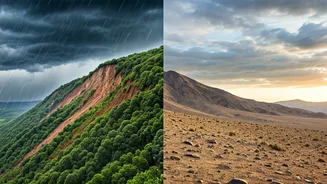
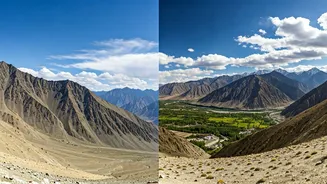
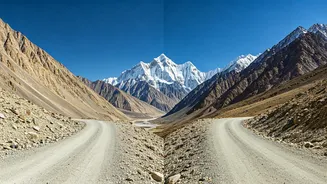
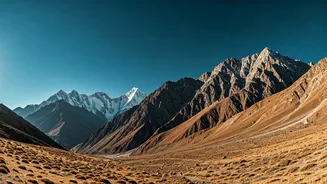
Both Ladakh and Spiti are high-altitude cold deserts that lie in a rain-shadow zone, meaning the valleys themselves receive very little monsoon rain in July. In Ladakh, expect pleasant days in Leh with temperatures around 20-25°C, though nights are cool. The landscape is vast and open, with dramatic, colourful mountains and impossibly blue lakes. Spiti’s core weather is similar, with daytime temperatures in Kaza around 15-25°C. However, the crucial difference is the approach. The roads to Spiti, especially from Manali, pass through heavy monsoon areas in Himachal, risking landslides and delays. While Spiti itself is dry, getting there can be a wet and unpredictable affair.
Activities: Iconic Sights vs. Immersive Villages
Ladakh is a destination of blockbuster sights. The agenda is often packed with visiting the world’s highest motorable passes, gazing at the surreal Pangong and Tso Moriri lakes, and exploring the sand dunes of Nubra Valley. An Inner Line Permit (ILP) is required for Indian tourists to visit many of these areas, but it's easily obtainable online or in Leh. Activities in Spiti are more grounded and intimate. The focus is on exploring ancient monasteries like Key and Tabo, visiting some of the world's highest villages like Komic and Hikkim, and perhaps sending a postcard from the world’s highest post office. The unique attraction here is Chandratal, the moon lake, which becomes accessible in July. Life revolves around homestays and absorbing the quiet, resilient culture of the valley.
Crowds and Costs: Peak Season Buzz vs. Budget-Friendly Solitude
July is the absolute peak tourist season for Ladakh. This means higher prices for flights, hotels, and taxis, and more people at popular viewpoints. However, the region is vast, so it's still possible to find quiet pockets. A typical 10-day trip can cost between ₹40,000-50,000 per person. Spiti is significantly more budget-friendly. With no flight costs and more affordable homestays and food options, a 10-day trip can be comfortably done for ₹25,000-30,000 per person. While tourism is growing, Spiti sees far fewer visitors than Ladakh, offering a less commercialised and more peaceful experience even in July.