







The Psychology of a Hiding Pet
For many animals, hiding is a primary survival instinct. In the wild, being able to disappear from a perceived threat is the difference between safety and danger. Our domestic pets, no matter how pampered, still carry these instincts. When a pet hides,
they are communicating that they feel overwhelmed, frightened, or uncertain. Common triggers include loud noises, unfamiliar people, changes in routine, or even a new piece of furniture. By retreating to a small, enclosed space, they can reduce stimulation and observe their surroundings from a position of security until the perceived threat has passed. It's a healthy coping mechanism that allows them to regulate their own stress levels.
How to Create the Perfect Safe Haven
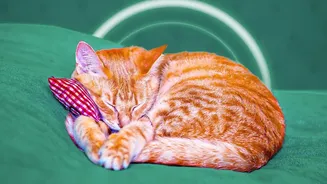
The key to supporting a shy pet is to honour their need for a sanctuary. Instead of discouraging hiding, provide them with approved, comfortable spaces where they know they will never be disturbed. For cats, this could be a cardboard box, a covered cat bed, or a high perch on a cat tree. For dogs, a crate with a comfy blanket and an open door can act as a personal den. Place these havens in quiet, low-traffic areas of your home, but also consider spots near where the family gathers so they can observe from a distance. The number one rule of the safe haven is to respect it; never force a pet out of their chosen spot, as this can break their trust and increase their anxiety.
Supporting Your Pet Without Smothering Them
While your instinct might be to cuddle a scared pet, direct and forced interaction can often make their fear worse. Patience is crucial. Allow your pet to approach you on their own terms. You can build trust by simply sitting quietly near their hiding spot without making direct eye contact, which can be perceived as intimidating. Speak in a soft, calm voice. Over time, you can try tossing high-value treats near their hiding spot to help them build a positive association with your presence. This teaches them that good things happen when they are feeling brave enough to engage, without adding social pressure.
When Hiding Might Signal a Deeper Issue
While hiding in response to a clear trigger is normal, a sudden and significant change in behaviour warrants attention. If a normally social pet suddenly starts hiding for prolonged periods, refuses to come out for food or water, or if the hiding is paired with other symptoms like lethargy, poor grooming, or changes in litter box habits, it could be a sign of a medical problem. Cats and dogs are masters at masking pain and illness, and withdrawing is often their first line of defence. In these cases, a visit to the veterinarian is essential to rule out any underlying health conditions before addressing the behaviour.
Gently Building Confidence Over Time
Providing a safe place to hide can paradoxically make your pet more confident. Once they know they have a secure escape route, they may feel braver about exploring. You can encourage this by creating a predictable daily routine for feeding, play, and walks, which helps anxious pets feel more secure. Introduce new experiences, people, and objects slowly and at a distance where your pet remains comfortable. Use positive reinforcement, like praise or a favourite toy, to reward any small step they take out of their comfort zone. Celebrating these small victories helps reshape their emotional response from fear to curiosity, allowing them to blossom at their own pace.