
The Ancient Magic of Fermentation
For centuries, fermentation has been a cornerstone of Indian culinary traditions, used to preserve food, enhance flavour, and create unique textures. But this age-old process does something even more remarkable: it transforms simple ingredients into nutritional
champions. Fermentation is a natural process where microorganisms like beneficial bacteria and yeasts break down sugars and starches in food. In the context of breakfast dishes like idli or dhokla, this involves letting a batter of grains and lentils rest for several hours. During this time, a silent, microscopic army gets to work, creating not just the signature tangy taste and fluffy texture, but also a wealth of health benefits.
Probiotics: Your Gut's Best Friends
The term 'probiotics' has become a wellness buzzword, and for good reason. Our gut is home to trillions of microorganisms, collectively known as the gut microbiome, which play a crucial role in everything from digestion to immunity and even mood. Probiotics are live, beneficial bacteria that help maintain a healthy balance in this internal ecosystem. Fermented foods are one of the best natural sources of these friendly microbes. When you eat a fermented dish, you are introducing these beneficial bacteria into your digestive system, where they can help support digestion, crowd out harmful microbes, and strengthen the gut barrier.
The Breakfast Champions: Idli and Dosa
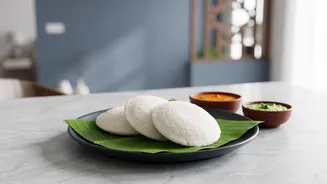
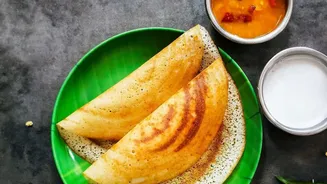
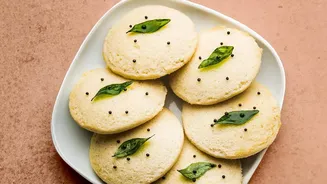
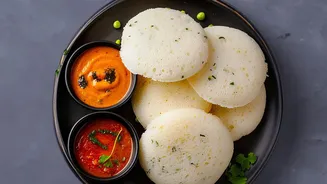
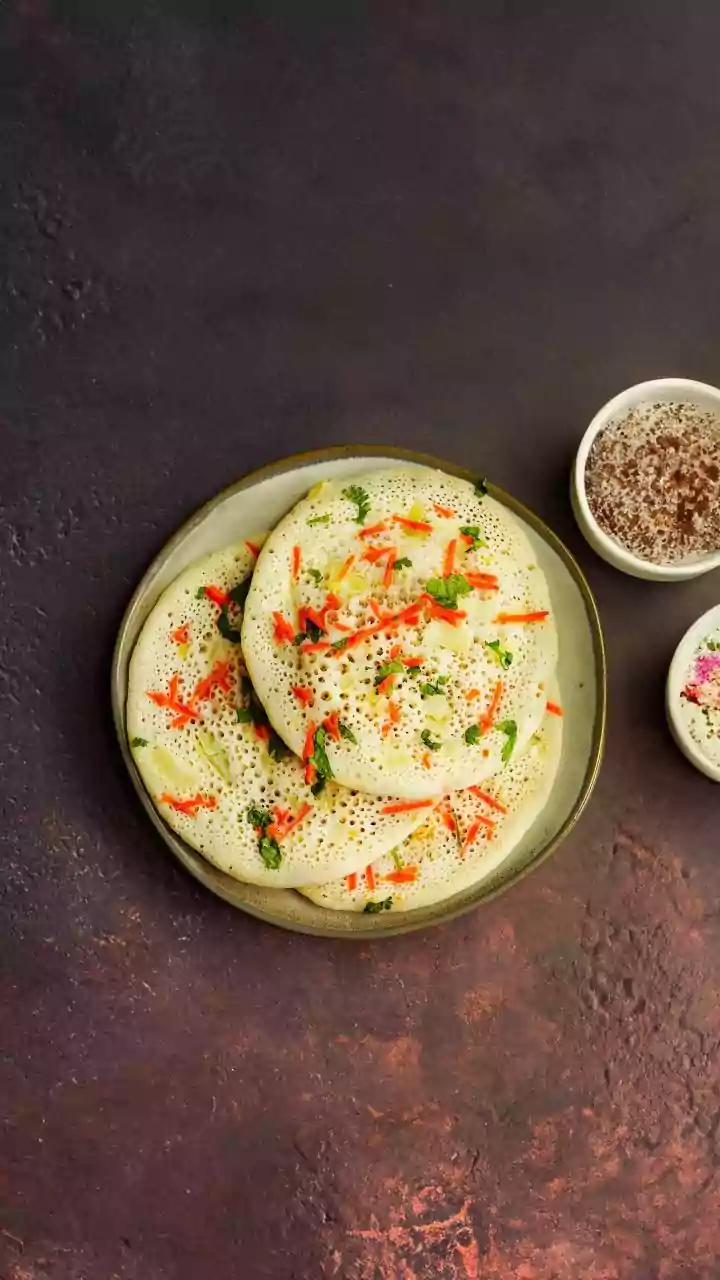
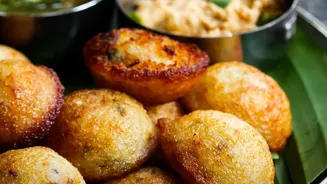
Perhaps the most celebrated fermented Indian breakfasts are idli and dosa. Made from a batter of soaked and ground rice and urad dal (black gram), their preparation is a masterclass in culinary science. As the batter ferments, naturally present Lactic Acid Bacteria (LAB), such as Leuconostoc mesenteroides and Lactobacillus, multiply. These are the same types of beneficial bacteria found in many probiotic supplements. They work to break down the complex carbohydrates in the grains, making the resulting idlis and dosas incredibly light and easy to digest. This process essentially 'pre-digests' the food, reducing bloating and making it gentle on the stomach.
Beyond the South: Dhokla and Other Regional Gems
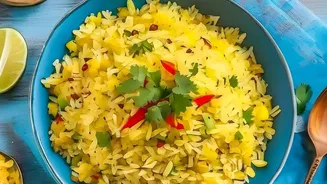
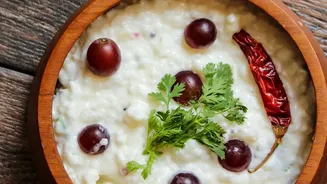
While idli and dosa are famous South Indian staples, the tradition of fermented breakfast foods is found across India. In Gujarat, the fluffy, savoury cake known as dhokla is made from a fermented batter of gram flour (besan) or rice and chickpeas. Like its southern counterparts, the fermentation process makes it rich in protein, easy to digest, and a friend to your gut. Other regional treasures include 'Pazhaya Sadam' or 'Pakhala Bhaat' from Tamil Nadu and Odisha, where cooked rice is soaked and fermented overnight, creating a dish rich in B-vitamins that cools the body. These dishes showcase the diverse ways Indian cuisine has harnessed fermentation for both flavour and health.
More Than Just Probiotics
The benefits of fermentation extend beyond providing probiotics. The process also enhances the nutritional value of the food itself. Fermentation can increase the levels of essential nutrients like B vitamins, including B12, which can be harder to obtain from plant-based sources. Furthermore, it helps break down anti-nutrients like phytic acid, which are naturally present in grains and legumes. These anti-nutrients can bind to minerals like iron and zinc, making them harder for our bodies to absorb. By reducing them, fermentation 'unlocks' these minerals, making them more bioavailable. This means you get more nutritional bang for your buck from every single bite.