




What Exactly is Ambali?
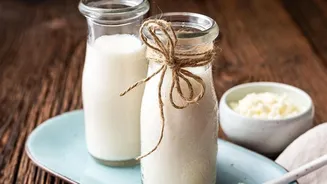
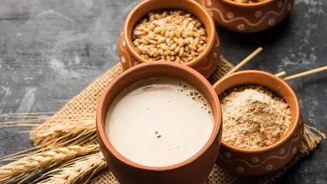
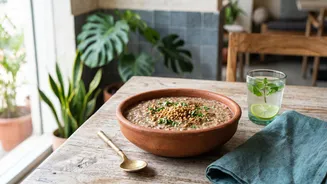
Ambali is a traditional porridge-like drink with deep roots in states like Karnataka, Andhra Pradesh, and Telangana. It is made from ragi (finger millet) flour, which is cooked with water to form a slurry and then allowed to ferment, often overnight.
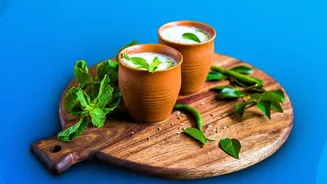
This natural fermentation process gives the drink its characteristic slightly sour, tangy taste and a host of health benefits. Traditionally, this simple, nutritious drink has been a staple for farmers and rural communities, valued for its cooling properties and its ability to provide sustained energy through long, hot days. It can be prepared as a savoury drink, often mixed with buttermilk, salt, and spices, or as a sweet version with jaggery.
An Ancient Superfood
Long before “superfood” became a buzzword, ragi was a nutritional powerhouse. Finger millet is exceptionally rich in calcium, iron, and dietary fibre. It’s a gluten-free grain with a low glycemic index, making it beneficial for managing blood sugar levels. The magic of Ambali, however, lies in its fermentation. This process not only creates probiotics that support gut health but also breaks down anti-nutrients like phytic acid. This reduction in anti-nutrients significantly improves the body's ability to absorb essential minerals like iron and calcium from the millet. In essence, fermentation unlocks the full nutritional potential of this already remarkable grain.
From Rural Staple to Urban Elixir
So, how did this rustic drink find its way onto the menus of trendy city cafes? The answer lies in a broader cultural shift. Today, there's a growing movement towards embracing traditional, indigenous foods. Health-conscious urban consumers are increasingly looking for authentic, natural alternatives to processed beverages. Ambali fits this niche perfectly. It's a functional drink that offers tangible health benefits, from improved digestion to better nutrient absorption. This revival is part of a larger trend where traditional Indian recipes and ingredients like kokum, jamun, and various millets are being rediscovered and celebrated for their timeless wisdom.
A Modern Makeover
While the core of Ambali remains the same, its presentation in modern cafes is getting a contemporary twist. While some purists serve it in its classic savoury form with buttermilk and a sprinkle of chopped onions and herbs, others are experimenting. You might find it blended into a smoothie with fruits like mango, or lightly sweetened with natural alternatives to refined sugar. This trend mirrors what's happening with other traditional drinks like shikanji and aam panna, which are being updated with new textures and ingredients like popping boba to appeal to a younger, more experimental audience. The goal is to make the drink accessible and appealing without losing its authentic soul.
More Than Just a Wellness Trend
The return of Ambali to the mainstream is more than just a passing health fad; it’s a cultural reclamation. It signifies a renewed pride in India’s rich culinary heritage and the nutritional science embedded within it. For generations, these food traditions provided nourishment and sustained communities long before modern nutritional science existed. By choosing a glass of Ambali over a sugary soda, consumers are not only making a healthier choice but also connecting with a legacy of local, sustainable eating. It's a conscious decision to value simplicity, tradition, and the profound wisdom of our ancestors in a fast-paced world.