


A Climate History Buried in Mud
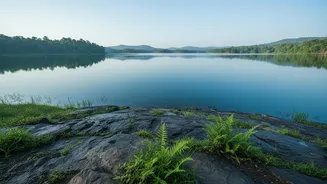
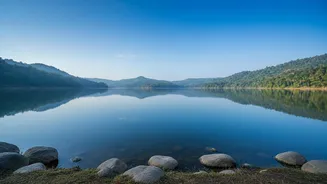
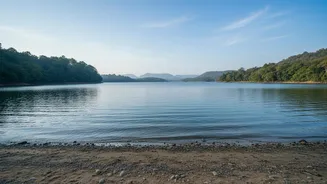
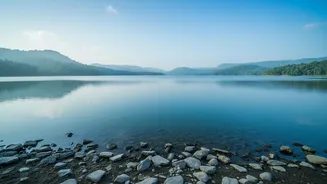
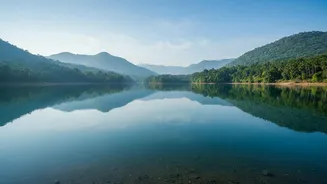
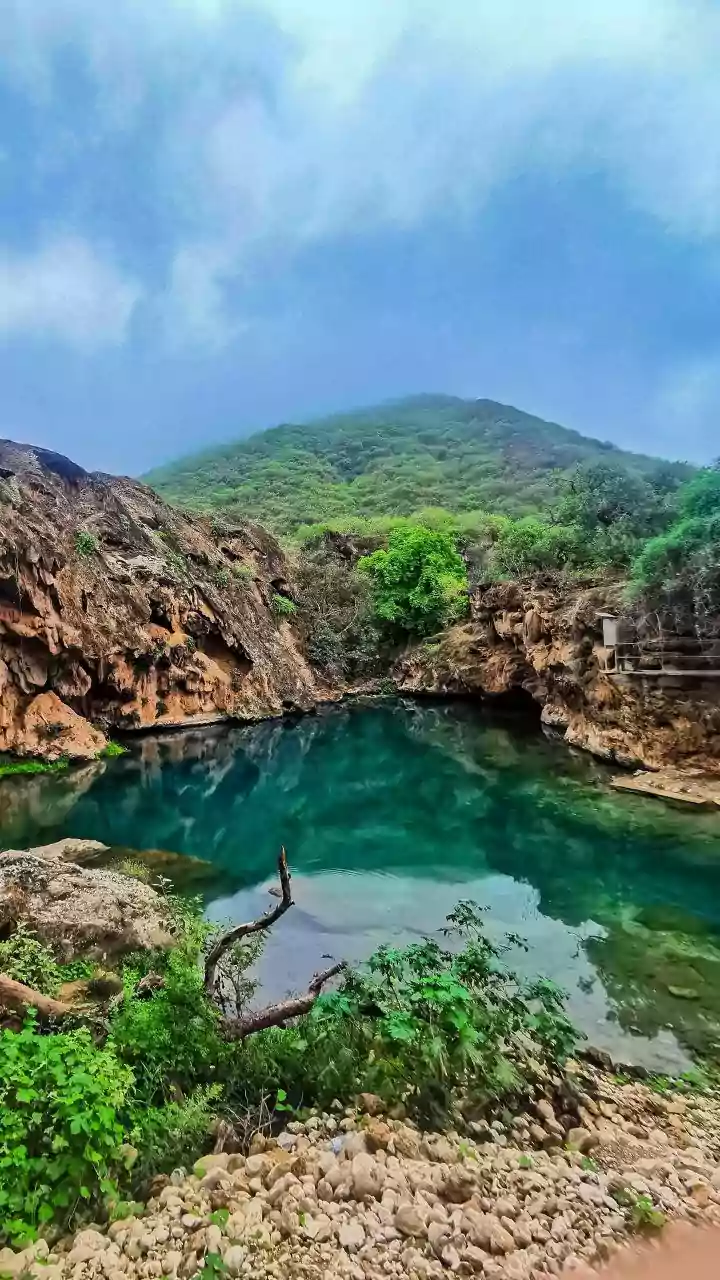
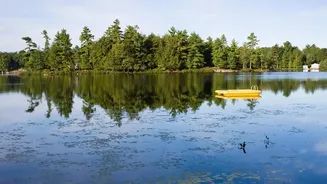
In the heart of India's Core Monsoon Zone, a region critically sensitive to the whims of the Indian Summer Monsoon, lies Raja Rani Lake in the Korba district of Chhattisgarh. Scientists from the Birbal Sahni Institute of Palaeosciences in Lucknow ventured
here not for the water, but for what lay beneath it. By extracting a 40-centimetre-long sediment core from the lakebed, they unearthed a layered history book of the region's environment stretching back approximately 2,500 years. Each layer of mud contains a snapshot of the past, holding microscopic clues that can reconstruct entire ecosystems. The most important of these clues were ancient pollen grains, shed by the plants that lived and died around the lake for centuries.
Reading the Pollen Record
The science of analysing fossil pollen, known as palynology, allows researchers to travel back in time. Different plants produce distinct types of pollen. By identifying and counting the pollen grains in each sediment layer, scientists can determine what kind of vegetation dominated the landscape at a specific point in history. A proliferation of pollen from forest-loving trees and plants that thrive in wet conditions points to a period of strong rainfall and a humid climate. Conversely, a higher concentration of pollen from grasses and herbs that prefer arid environments indicates a drier phase with weaker monsoons. This technique provides a direct, tangible record of how the climate has shifted over millennia, written in the language of the plants themselves.
A Stronger Medieval Monsoon
The analysis of the Raja Rani Lake core yielded a surprising discovery. The pollen record showed that between roughly 1060 and 1725 CE, central India experienced an unusually powerful and persistent monsoon. This period overlaps significantly with what is known globally as the Medieval Climate Anomaly (or Medieval Warm Period), a time of warmer global temperatures. During these centuries, the area around the lake was dominated by dense mixed tropical deciduous forests, a clear sign of a warm, humid climate sustained by intense rainfall. Crucially, the study found no evidence of the prolonged dry spells that some other records had suggested for different regions during this time. This suggests that, for India's monsoon heartland, the medieval warming period meant a stronger, not a weaker, monsoon.
Why Ancient Rains Matter Today
Understanding what the monsoon did during a past warm period is not just an academic exercise; it is vital for our future. As the planet warms today due to climate change, scientists are racing to predict how essential climate systems like the Indian monsoon will respond. The findings from Chhattisgarh provide invaluable data for refining these climate models. By showing how the monsoon system reacted to natural global warming centuries ago, it gives us a better baseline to understand its potential behaviour in the face of human-induced warming. The study attributes the powerful medieval monsoon to a combination of factors, including La Niña-like conditions in the Pacific Ocean and greater solar activity—dynamics that are still relevant today. This historical data helps separate the monsoon's natural variability from the changes being forced upon it now, leading to more accurate future projections for India's water and food security.