






Start the Transition Gently
Your wind-down shouldn't start when you walk through your front door, but the moment you leave the festival grounds. The sudden shift from sensory overload to complete silence can be jarring. Instead of blasting high-energy music in the car, consider
putting on a calming playlist, a podcast, or simply enjoying some quiet conversation. This gradual transition helps signal to your brain and nervous system that the high-stimulation event is over and it's time to begin relaxing. Avoid diving straight back into your phone or social media to see what you missed. Give yourself this buffer period to simply exist in the post-event glow without adding new digital noise into the mix.
Hydrate and Have a Light Snack
Days of dancing, walking, and being out in the elements can leave you seriously dehydrated and depleted. Before you even think about sleep, your first priority should be hydration. Drink a large glass of water, and consider an electrolyte drink to replenish what you've lost. While a huge meal might seem tempting, it can disrupt your sleep. Instead, opt for a light, healthy snack that contains some protein and carbohydrates to help stabilize your blood sugar and aid muscle recovery. Things like a piece of fruit, a handful of nuts, or a small bowl of yogurt are excellent choices. Avoid alcohol, which can further dehydrate you and disrupt your sleep cycle.
Unplug and Soothe Your Senses
Festivals are a feast for the senses, but now it's time for a sensory diet. Bright lights, especially the blue light from phones and screens, can interfere with your body's production of melatonin, the sleep hormone. Make a conscious decision to put your devices away at least an hour before you intend to sleep. Instead, engage in activities that soothe your senses. Take a warm shower or bath to relax your tired muscles. Use a few drops of calming essential oils like lavender or chamomile in a diffuser. Dim the lights in your room and create a calm, peaceful atmosphere that feels like a sanctuary after the beautiful chaos of the festival.
Mindful Decompression
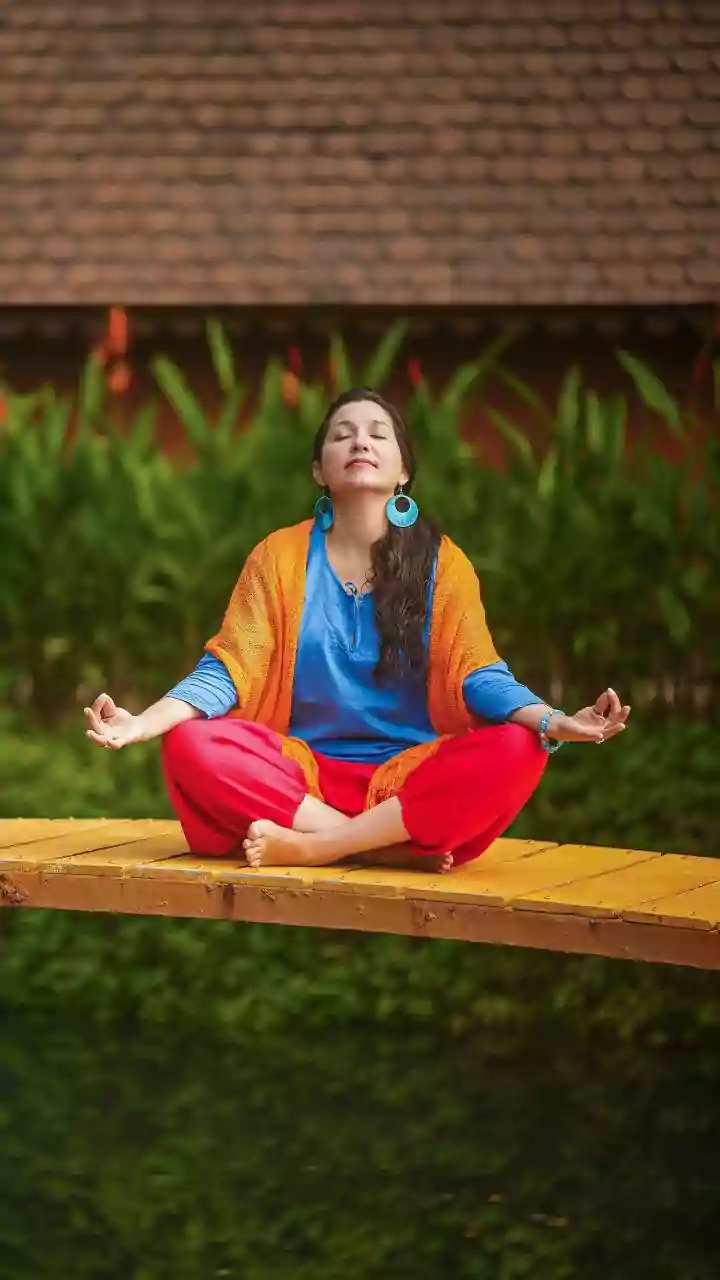
Your body might be exhausted, but your mind is likely still racing with memories and adrenaline. A mental wind-down is just as crucial as a physical one. Engaging in a few minutes of mindful activity can help you process the experience and calm your thoughts. Try some simple, deep breathing exercises to activate your body's relaxation response. Another powerful tool is journaling. You don't need to write a full essay. Just jotting down a few favorite moments, feelings, or thoughts from the festival can help you externalise the experience, bringing a sense of closure and calm. Research shows this practice can reduce stress and clear your mind before sleep.
Prepare Your Sleep Sanctuary
After a weekend of likely compromised sleep, getting a quality night's rest is the ultimate goal. Make your bedroom as conducive to sleep as possible. Ensure the room is dark, quiet, and cool. Use blackout curtains or an eye mask if needed. If you're still hearing ringing in your ears, a white noise machine or a fan can help mask the sound. Get into comfortable pyjamas and make sure your bed is clean and inviting. Avoid the temptation to sleep in for hours the next day. While extra rest is good, sticking to a relatively normal wake-up time helps reset your body's internal clock, making the recovery process smoother in the long run.