




The Monsoon's Economic Ripple Effect
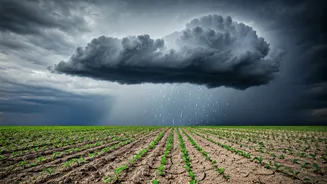
In India, the monsoon is the lifeblood of the economy. It delivers about 70% of the country's annual rainfall, directly impacting the agricultural sector, which employs nearly half the population and contributes significantly to our GDP. A good monsoon means
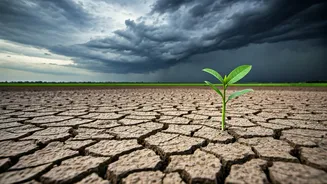
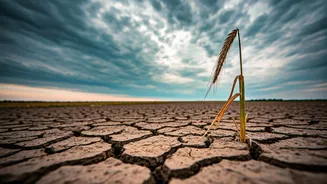
a bountiful harvest, which boosts rural incomes and stimulates demand for goods and services, from tractors to FMCG products. Conversely, a poor or erratic monsoon can lead to crop failure, reduced farm incomes, and a slowdown in rural spending. This isn't just a problem for farmers; it creates a ripple effect across the entire economy, affecting everything from corporate earnings to the stock market. With early forecasts for the 2026 monsoon suggesting below-normal rainfall due to developing El Niño conditions, economists are watching closely.
From Clouds to Your Kitchen Budget
The most immediate way the monsoon affects your wallet is through food prices. A weak monsoon can disrupt the sowing and growth of key kharif crops like rice, pulses, and vegetables. This tightening of supply inevitably leads to higher prices at the mandi and your local kirana store. Food and beverages make up a substantial portion—nearly 46%—of the Consumer Price Index (CPI), which means that a spike in food costs is a primary driver of overall inflation. The Reserve Bank of India (RBI) has already flagged a weaker monsoon as a potential risk to the inflation outlook, which it projects to be around 5.1% for the fiscal year. These aren't abstract numbers; this translates directly to you paying more for daily essentials like onions, tomatoes, and dal.
Interest Rates and Your EMIs
The monsoon's influence extends beyond your grocery bill to your loan repayments. When food inflation rises, it puts pressure on the RBI to manage overall price stability. If inflation remains persistently high, the central bank may be forced to adopt a more hawkish stance, which could mean holding or even increasing key interest rates like the repo rate. Higher interest rates for banks often translate into higher rates for consumers on everything from home loans and car loans to personal loans. A good monsoon that keeps food prices in check can contribute to a lower-interest-rate environment, making borrowing cheaper. A bad monsoon, however, can indirectly lead to your monthly EMIs becoming more expensive or staying high for longer.
Time to Weather-Proof Your Finances
Given the economic uncertainty tied to the monsoon, it’s wise to take proactive steps to protect your financial health. Start by reviewing your monthly budget. Separate your needs from your wants and identify areas where you can trim discretionary spending, especially on big-ticket items. Building a robust emergency fund is more critical than ever. Aim to have at least six to twelve months of essential living expenses saved in an easily accessible account, like a fixed deposit or liquid mutual fund. This buffer will help you navigate any sudden income loss or unexpected expenses without derailing your long-term goals. Also, focus on paying down high-interest debt, such as credit card balances, to reduce your fixed monthly outgoings and create more financial breathing room.
Thinking Long-Term: Stay The Course
While it's important to be cautious, economic volatility doesn't mean you should abandon your long-term investment plans. Market downturns can be an opportunity to continue investing through Systematic Investment Plans (SIPs), as you can acquire more units at a lower cost. A well-diversified portfolio, balanced between stable assets like FDs and growth instruments like equities, is designed to withstand such cycles. Rather than reacting impulsively to short-term news, focus on your long-term financial goals. At the same time, investing in yourself by upskilling can enhance your income stability, making you less vulnerable to economic shocks. Financial discipline and a long-term perspective are your best allies in navigating the economic seasons set by the monsoon.