





A Feast for the Senses
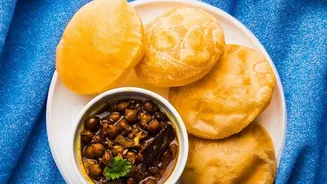
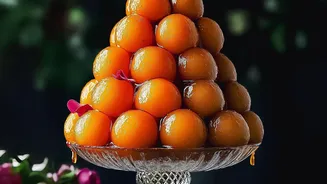
Navratri is synonymous with fasting, but the food is anything but bland. The period is a culinary celebration of specific ingredients that are both delicious and sattvic, or pure. Traditional fasting staples like Sabudana Khichdi, Kuttu ki Puri (buckwheat
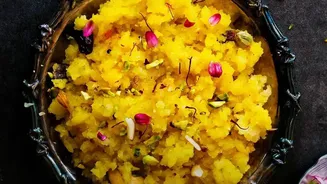
flour bread), and Samak Rice Pulao (barnyard millet pilaf) remain at the forefront. These dishes are prepared using rock salt (sendha namak) and avoid onion and garlic. This year, restaurants and home cooks are also putting a modern spin on these classics. Expect to see innovative dishes like paneer tikka made with fasting-approved spices, roasted makhana (foxnut) snacks, and creative desserts like lauki halwa (bottle gourd pudding) and singhare ki barfi (water chestnut fudge). For those observing the fast, it's a time to detox and prepare the body for the coming season while enjoying a unique and flavourful diet.
Creating a Festive Haven
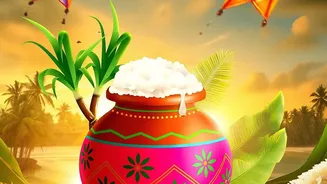
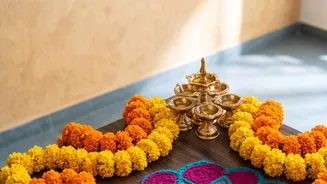
Decorating the home is a cherished part of welcoming the Goddess. This year's trends lean towards a mix of traditional and contemporary aesthetics. Marigold and jasmine garlands, classic torans for the doorway, and intricate rangoli designs remain timeless choices that infuse the home with fragrance and colour. A central element is often the puja mandir or a specially created mandap, which can be adorned with colourful drapes, silk or satin backdrops, and, of course, glowing diyas and lanterns. For a more modern approach, many are opting for warm fairy lights, statement urlis (decorative bowls) filled with water and floating flowers, and bold-coloured vases in sunset orange or deep red to create a warm, celebratory energy. Using potted plants near the entrance and even cane crafts can add a touch of serene, natural beauty to the festive setup.
The Nine Sacred Hues
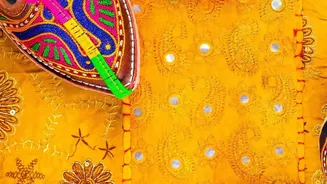
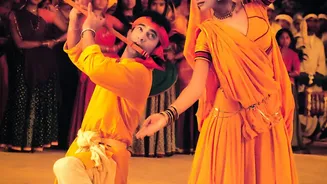
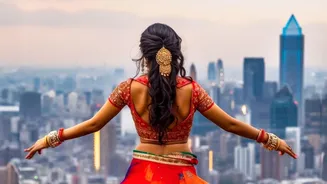
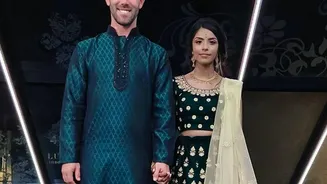
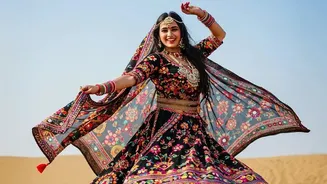
One of the most joyful traditions of Navratri is dressing according to the colour designated for each of the nine days. This practice adds a visual rhythm to the festival, with each colour holding a specific significance. For Sharad Navratri 2026, the sequence begins on October 11th. The colours are: Orange (Day 1), White (Day 2), Red (Day 3), Royal Blue (Day 4), Yellow (Day 5), Green (Day 6), Grey (Day 7), Purple (Day 8), and Peacock Green (Day 9). This tradition extends beyond clothing to accessories and even decor. While women often don sarees, lehengas, or suits in the day's colour, men also participate with kurtas or accessories. For Garba and Dandiya nights, the quintessential chaniya choli, often featuring oxidized silver jewellery, remains the go-to outfit.
Festive Wanderlust on a Short Break
The nine-day festival offers a perfect window for a short trip to experience diverse celebrations across India. Gujarat, particularly Ahmedabad and Vadodara, is the undisputed hub for Garba and Dandiya, with entire cities coming alive at night with music and dance. For a different but equally vibrant experience, Kolkata's Durga Puja, which coincides with Navratri, is a spectacle of artistic pandals, grand processions, and cultural immersion. Those seeking a more spiritual journey can head to Varanasi, where the festival is celebrated with serene rituals, classical music on the ghats, and deep devotion. Other popular destinations include Mysore for its royal Dasara celebrations, Delhi for its large-scale Ramlila performances, and even Kullu in Himachal Pradesh for its unique Dussehra festivities that begin during Navratri.