



Flat-Leaf vs. Curly: Know Your Parsley
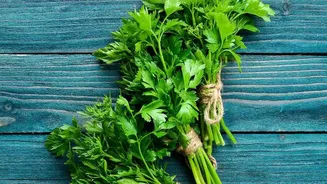
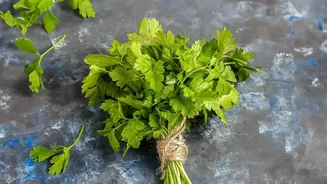
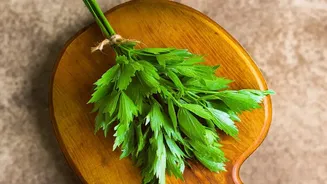
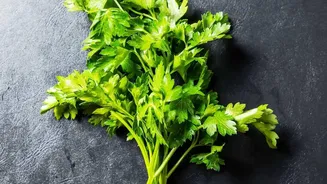
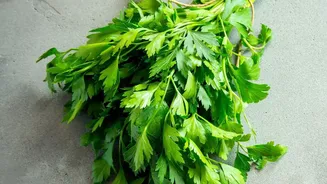
Before you start cooking, it's helpful to know the two main players: flat-leaf and curly parsley. Flat-leaf, often called Italian parsley, has a more robust, peppery flavour and is the preferred choice for most cooking applications. Its smooth leaves
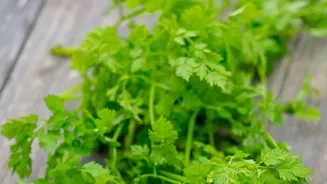
are easy to chop and they integrate well into hot dishes like soups and stews. Curly parsley has a milder, grassier taste and a distinct, crunchy texture. While it fell out of fashion after decades of being used purely as a decorative garnish, its crispness can add a pleasant texture to salads or marinades when finely minced.
Beyond the Garnish: Simple Everyday Uses
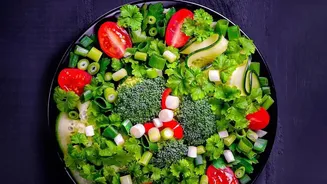
The easiest way to boost your parsley intake is to treat it like a leafy green. Finely chop a large handful and toss it into your salads for a fresh, iron-rich boost. Stir it into grains like couscous or bulgur, much like in the Middle Eastern dish tabbouleh, for a bright counterpoint to the earthy flavours. You can also whisk chopped parsley into eggs before scrambling or making an omelette, or fold it into creamy ricotta cheese for a simple pasta filling or spread. For a final touch on many dishes, add minced parsley at the end of cooking to preserve its bright green colour and fresh taste.
Let It Shine in Sauces and Pestos
Parsley is the backbone of many world-famous sauces. Argentinian chimichurri is a vibrant, uncooked sauce of parsley, garlic, oregano, and olive oil that is phenomenal on grilled steak or fish. The French have persillade, a simple but powerful mixture of finely chopped parsley and garlic, often used to finish everything from vegetables to chicken. Italian gremolata is another classic, combining parsley, lemon zest, and garlic to create a zesty condiment traditionally served with osso buco but equally delicious on roasted vegetables or fish. You can also make a bright and nutty pesto by substituting parsley for the traditional basil.
Brighten Up Marinades and Dressings
The fresh, clean taste of parsley works wonders in marinades for chicken, fish, and vegetables. Its flavour is strong enough to stand up to other ingredients but won't overpower the main event. For a simple and effective dressing, blend a cup of parsley with olive oil, white wine vinegar, garlic, and a touch of mustard. This creates a versatile vinaigrette that can liven up any simple salad or be drizzled over roasted potatoes. The key is to think of parsley not just as a minor flavouring, but as a core component that brings freshness and vibrancy.
How to Keep It Fresh
There's nothing more frustrating than buying a beautiful bunch of parsley only to have it wilt in the refrigerator. To extend its life, treat it like a bouquet of flowers. Trim the stems and place the bunch in a jar with an inch or two of water. You can then cover it loosely with a plastic bag and store it in the refrigerator. This method keeps the leaves hydrated and crisp. Another technique is to wash and thoroughly dry the parsley, wrap it in a paper towel, and place it inside a reusable bag in your crisper drawer. By storing it properly, you'll always have fresh parsley on hand to brighten your meals.