



The Logic of Smart Placement
The key to effective emergency preparedness in your car isn't just about what you carry, but where you put it. A well-organized trunk saves precious time and reduces stress when a problem arises. Instead of frantically digging through luggage to find
a first-aid kit or a flashlight, strategic placement ensures your most critical items are accessible in seconds. The goal is to create a system where you can grab what you need without unpacking your entire weekend's worth of clothes and snacks. This approach categorizes your gear by urgency and function, transforming your boot from a storage space into a well-ordered toolkit for the road. Think of it as creating zones: one for immediate access, one for mechanical issues, and one for deep-storage “just-in-case” items. This way, a minor inconvenience doesn’t have to become a major delay.
The 'First-Out' Bag for Immediate Needs
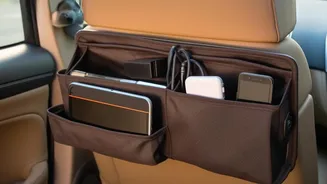
Certain situations require an instant response. For these, you need a 'First-Out' bag that is kept in the most accessible part of your trunk or even within the passenger cabin. This small, dedicated bag should contain items for personal safety and immediate visibility. It must include a comprehensive first-aid kit with bandages, antiseptic wipes, pain relievers, and any personal medications. Also essential are a high-visibility reflective vest and a powerful LED flashlight with extra batteries. In case of a breakdown, especially at night, being seen by other drivers is your first priority. A reflective vest makes you visible, while a flashlight helps you assess the situation or signal for help. A portable phone charger or power bank also belongs here, ensuring you can always call for assistance. This bag is your first line of defence, allowing you to handle minor injuries and secure the scene safely.
The Mechanical and Repair Zone
For issues that stop your car in its tracks, you need a dedicated zone for mechanical aids. These items are often heavier and bulkier, so they should be packed securely at the bottom of the trunk or in the spare tyre well to keep the car's centre of gravity low. This kit is your on-the-spot mechanic. It must include jumper cables or a portable jump starter for a dead battery, one of the most common roadside problems. A properly inflated spare tyre, along with a functional jack and lug wrench, is non-negotiable. Before any trip, double-check that your spare has adequate air pressure. Add a basic toolkit with pliers, screwdrivers, and an adjustable wrench for minor fixes. A can of tyre inflator and sealant can provide a temporary fix for small punctures, getting you to the nearest repair shop without needing a full tyre change. Finally, a roll of duct tape is a versatile tool for countless temporary repairs.
The 'Long Wait' Survival Kit
Sometimes, help isn't just a few minutes away, particularly on remote highways or in poor weather. For these scenarios, a 'long wait' kit provides comfort and sustenance. This kit doesn't need to be immediately accessible but should be packed thoughtfully. It should contain non-perishable, high-energy snacks like granola bars, nuts, or biscuits, and at least a few litres of bottled water. Dehydration and hunger can add significant stress to an already difficult situation. Pack a blanket for warmth, which can be crucial if you're stranded at night or in a cold area and can't run the engine for heat. For trips during the monsoon, an umbrella or rain poncho is invaluable if you need to be outside the vehicle. It’s also wise to include a small amount of cash, as digital payments may not be an option everywhere. These items ensure that a long delay is a comfortable inconvenience rather than a crisis.
Using Organizers to Secure Your Gear
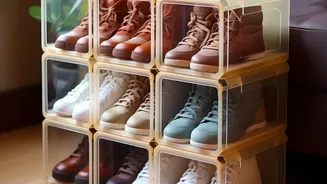
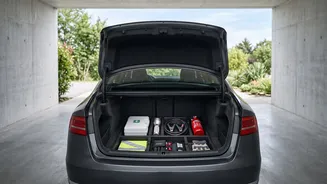
Once you have your kits assembled, the final step is to keep them from turning into a jumbled mess. A chaotic trunk is not only inefficient but also dangerous, as loose items can become projectiles during a sudden stop. Using collapsible trunk organizers, storage bins, or even simple cardboard boxes can create dedicated compartments for each kit. Place the 'First-Out' bag near the trunk opening for easy reach. Heavier items like the mechanical kit should be placed low and against the rear seats. Use bungee cords or a cargo net to secure everything in place, preventing shifts while driving. Many cars have hidden storage compartments in the trunk floor around the spare tyre, which are perfect for stashing flat items like jumper cables, a tow rope, or a folded blanket. A few minutes spent organizing your gear with these tools will ensure everything stays in its place, ready for when you need it most.