




Before You Drive: The Pre-Monsoon Vehicle Check
The single most important step for safe monsoon driving happens before you even turn the key. A vehicle that is unprepared for the season is a risk to you and everyone else on the road. Start with the absolute essentials. Your tyres are your only connection
to the slippery road, so inspect the tread depth; worn tyres dramatically increase the risk of aquaplaning. Ensure they are inflated to the manufacturer's recommended pressure. Next, check your wiper blades. If they are cracked, hardened, or leave streaks, replace them immediately. Good visibility is non-negotiable in a downpour. Finally, test all your lights: headlights (both high and low beam), tail-lights, brake lights, and indicators. Reduced visibility at night during a storm means you must see and be seen clearly.
Mastering Visibility: See and Be Seen
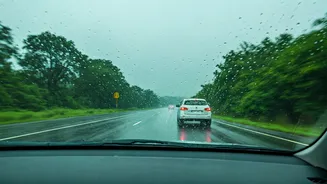
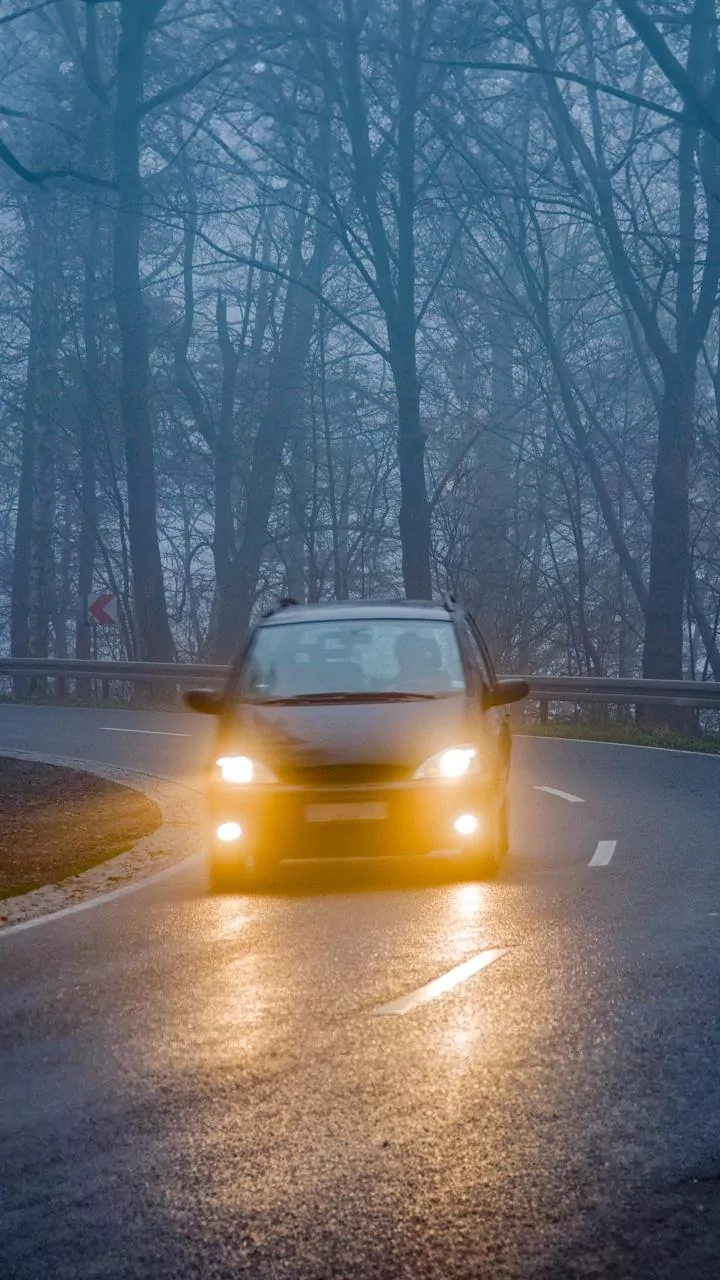
In a nocturnal downpour, your eyes and your car's lights are your primary safety tools. Always switch on your low-beam headlights during rain, day or night. This makes you more visible to other drivers. Resist the urge to use high beams, as they reflect off raindrops and can reduce your visibility further while blinding oncoming traffic. Use your air conditioner and defogger to prevent the windshield from fogging up from the inside, a common issue due to high humidity. If you must pull over, find a safe spot off the main road and turn on your hazard lights. Using hazard lights while moving is discouraged in India as it can confuse other drivers about whether you are stationary or in motion.
On-Road Tactics: Slow, Steady, and Smooth
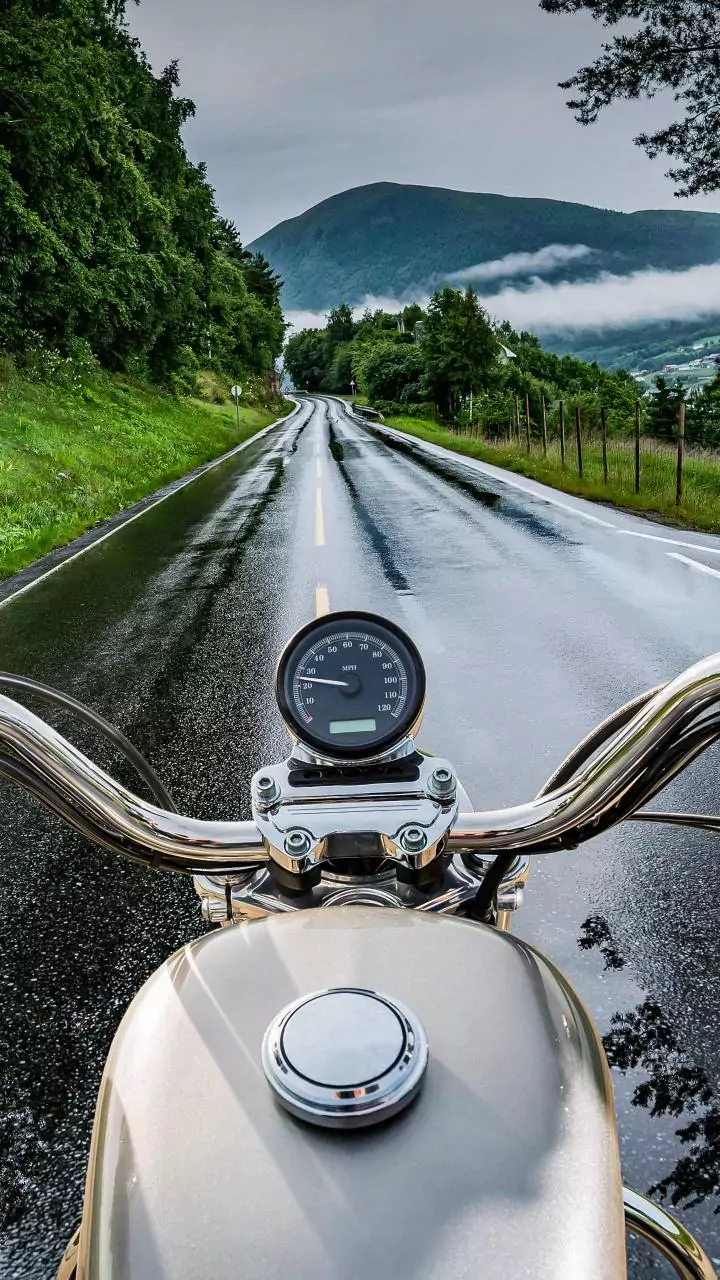
Speed is your enemy on wet roads. Reduce your speed significantly, as braking distances increase dramatically. Maintain at least double the usual following distance from the vehicle ahead to give yourself more time to react. Avoid sudden manoeuvres like sharp turns or abrupt braking, which can lead to skidding. Be exceptionally wary of puddles and standing water, which can hide deep potholes or debris. The safest part of a multi-lane road is often the middle lane, as water tends to collect on the sides. Try to drive in the tyre tracks left by the cars in front of you, as the water has already been displaced there.
The Danger of Hydroplaning: What to Do When You 'Float'
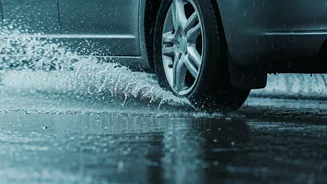
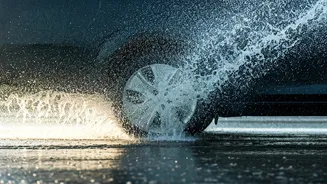
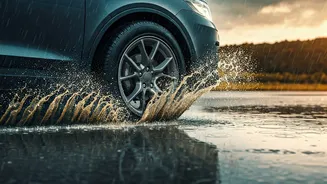
Hydroplaning occurs when a layer of water builds between your tyres and the road, causing a terrifying loss of steering and braking control. It feels as if your car is floating. If this happens, do not panic and do not slam the brakes. Instead, ease your foot off the accelerator. Keep the steering wheel steady and pointed in the direction you want to go, avoiding any sudden jerks. Once you feel the tyres reconnect with the road and traction returns, you can gently brake or accelerate as needed. The best way to avoid hydroplaning is to slow down, ensure your tyres have adequate tread, and steer clear of standing water.
Navigating Waterlogged Roads: The Golden Rule
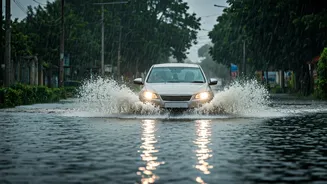
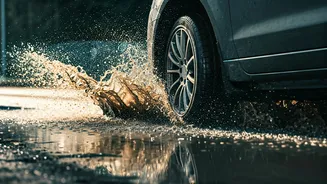
Urban flooding is a common monsoon menace. The golden rule is simple: if you are unsure about the depth of the water, do not attempt to drive through it. It only takes about six inches of water to potentially stall an engine or even wash a vehicle away. A common rule of thumb is to avoid crossing any water that is higher than the halfway point of your wheels. Driving through deep water risks 'hydrolocking'—sucking water into your engine—which can cause catastrophic and expensive damage. If your car stalls in water, do not try to restart it. This can force water into the engine and cause irreversible harm. The safest action is to abandon the vehicle if necessary and call for roadside assistance.
The Monsoon Emergency Kit
Being stranded is a real possibility during a monsoon night drive. A well-stocked emergency kit can be a lifeline. Essentials include a powerful torch with spare batteries, a fully charged power bank for your phone, a first-aid kit, and a reflective warning triangle. Also, keep a tow rope, jumper cables, an umbrella, and a few microfibre cloths for wiping foggy interiors. Having drinking water and some non-perishable snacks is also a wise precaution. Store the contact numbers for roadside assistance and your insurance provider where you can easily access them.