




The Daily Ritual
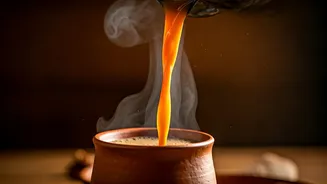
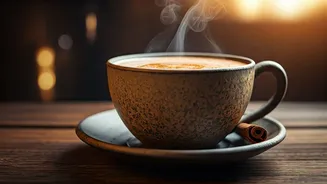
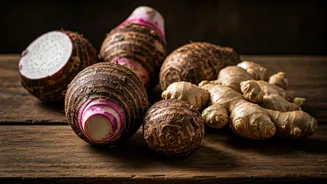
Before the emails are checked, before the traffic is braved, there is chai. For millions across India, the day begins not with the sun, but with the gentle bubbling of a pot on the stove. It's a personal, almost meditative act. The rhythmic grating of ginger,
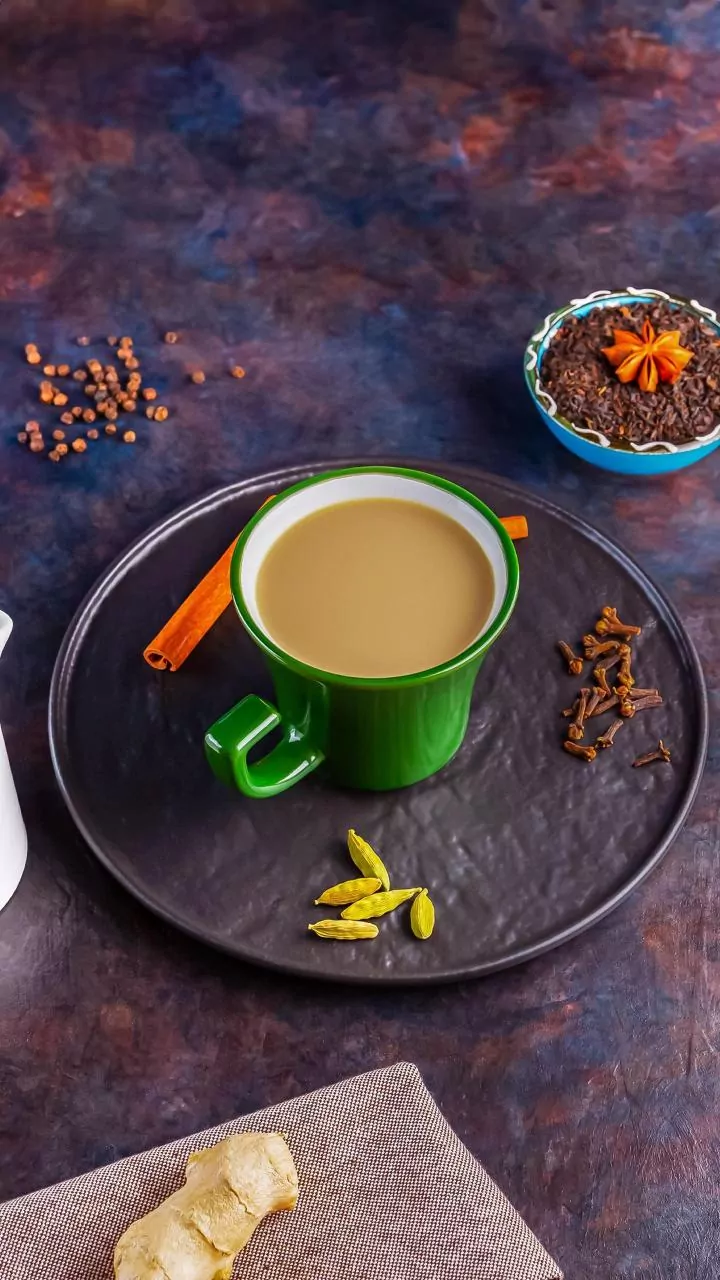
the gentle crush of cardamom pods, the precise spoonfuls of tea leaves and sugar — each step is a familiar dance. This first cup is more than just a caffeine hit; it's a moment of quiet contemplation, a warm embrace that prepares you to face the world. It’s the flavour of home, a consistent comfort in a life that is anything but.
The Social Glue
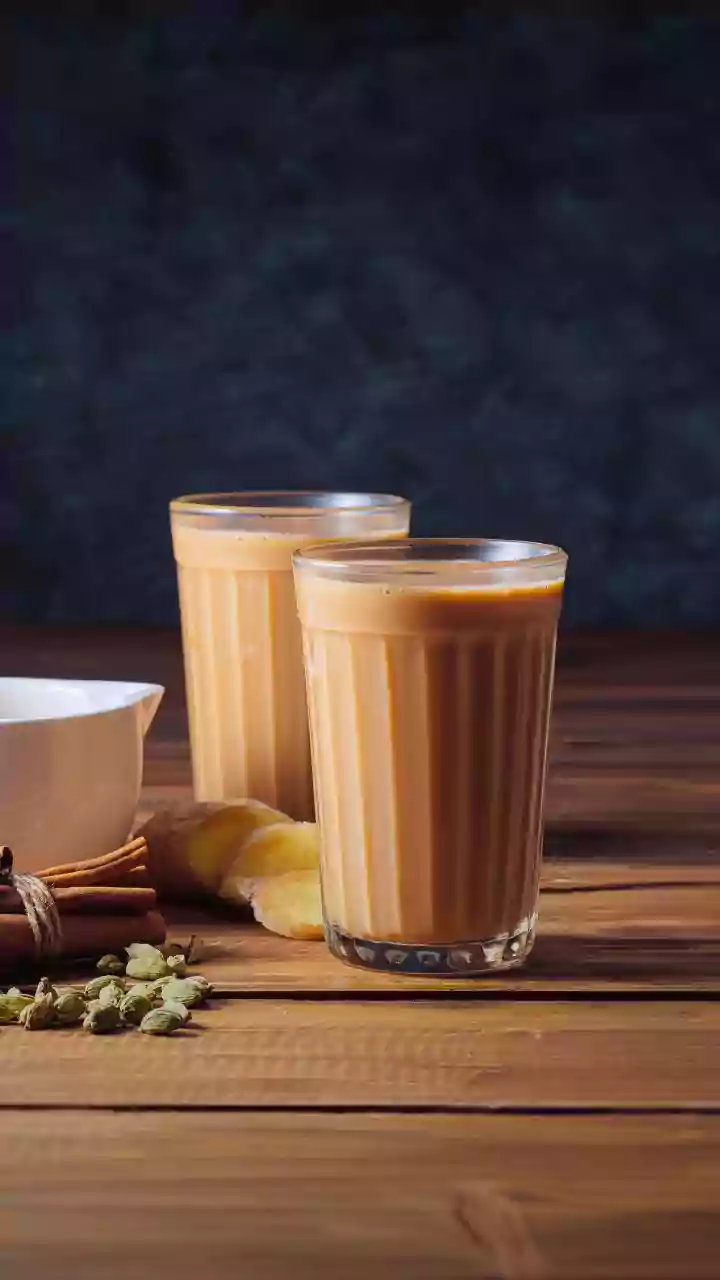
If the morning cup is personal, every cup thereafter is social. Chai is the great equaliser and the ultimate social lubricant. It fuels discussions in corporate boardrooms and gossip at the neighbourhood 'tapri' (tea stall). Friendships are forged over 'cutting chai' in Mumbai, business deals are sealed over sweetened glasses in Delhi, and family histories are recounted during evening tea time. The call of “Chai, chai!” on a train platform is a sound of pure, unadulterated hope, promising a brief respite on a long journey. The chai-wallah is more than a vendor; he is a community hub, a keeper of local secrets, and a master of the perfect brew that brings people together, dissolving barriers of class and creed one sip at a time.
An Indian Invention
While tea cultivation was popularised in India by the British for export, the brew they drank was a world away from the milky, spiced concoction we know today. The transformation of bland black tea into the robust, flavourful masala chai is a story of pure Indian ingenuity. We took the leaves and made them our own, infusing them with the warmth of our spices — ginger, cardamom, cloves, cinnamon, black pepper. This was not just an addition of flavour; it was an act of cultural reclamation. We turned a colonial commodity into a national treasure, a drink that reflected our own palate and our deep understanding of spices, not just for taste but for wellness.
A Cure for All Seasons
Is there any situation that chai cannot improve? A pounding headache finds relief in a cup of strong ginger tea. The chill of a monsoon downpour is instantly banished by a steaming mug of masala chai. It’s the perfect companion to a plate of hot pakoras on a rainy day, a comforting presence during late-night study sessions, and the first thing offered to any guest who walks through the door, a gesture that says “You are welcome here.” It is both a celebration and a solace. In summer, some might switch to cooler drinks, but for the true devotee, even the sweltering heat is no match for the craving for a 'garam' cup. It's a paradox that makes perfect sense.
Forever Constant
In a rapidly modernising India, where global coffee chains dot every high street and new-age wellness drinks trend on social media, chai’s position remains unshakable. It has gracefully adapted without losing its soul. We now have chai-flavoured ice creams, chai lattes, and artisanal tea boutiques. Yet, the heart of the matter remains the humble, homemade brew or the one served in a tiny glass at a roadside stall. It is a testament to the power of simplicity and tradition. Young or old, rich or poor, in a bustling metropolis or a quiet village, the love for chai is a shared inheritance.