




The Post-Walk Paw Protocol
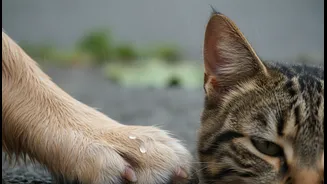
Every walk during the monsoon ends with muddy, wet paws, which are more than just a cleaning nuisance; they are a health hazard. The constant dampness between the toes and on paw pads creates the perfect breeding ground for fungal and bacterial infections.
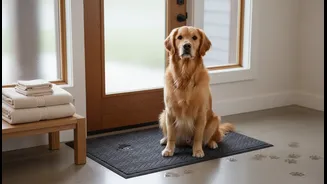
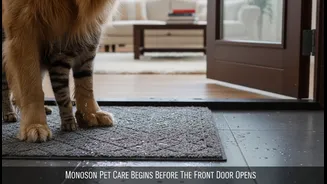
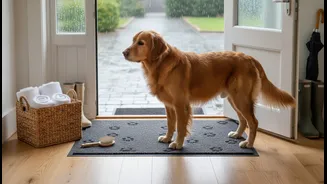
Vets across India see a spike in such cases every year between June and September. The solution is a non-negotiable post-walk routine: clean and dry your pet's paws every single time they come inside. Use lukewarm water to rinse off mud and a clean, absorbent towel to dry them thoroughly, paying special attention to the gaps between the toes. This simple five-minute habit is the single most effective way to prevent painful paw infections.
The Importance of Dry Bedding
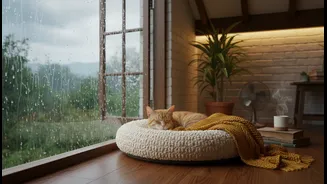
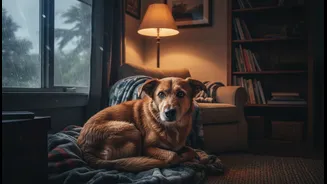
A damp coat is one problem, but a damp bed is a persistent threat. Bedding that remains moist from a pet's wet fur or the humid air becomes a hotspot for fungi, mould, and bacteria. This not only leads to that musty “wet dog” smell but can also cause or worsen skin conditions like hot spots or yeast infections. During the monsoon, wash your pet's bedding more frequently, at least once a week in hot water if possible. Ensure it is completely dry before using it again. Sun-drying is ideal for its natural disinfecting properties. Using raised beds or rotating between two sets of bedding can also help ensure your pet always has a dry, safe space to rest.
Harnessing the Power of Airflow
High humidity inside the home is an invisible enemy during the monsoon. Stagnant, moist air prevents your pet's coat and bedding from ever truly drying, contributing to a cycle of dampness and infection. Improving airflow is a simple yet crucial step. When it is not raining, open windows to ventilate the house. Use fans to keep the air circulating, which helps evaporate moisture from surfaces and your pet’s fur. In very humid regions like coastal cities, a dehumidifier can be a worthwhile investment to keep indoor humidity levels between 55% and 60%, significantly reducing the risk of fungal growth.
Grooming Beyond the Basics
Monsoon grooming is less about aesthetics and more about preventative health. Daily brushing, even for short-haired breeds, helps to remove loose fur and detangle knots that can trap moisture against the skin. It also improves air circulation through the coat. For long-haired breeds, keeping the fur trimmed, especially around the paws, belly, and tail, can make cleaning and drying much easier. Pay close attention to your pet’s ears, as breeds with floppy ears are highly susceptible to infections in humid weather. Gently wipe the outer ear dry after walks and consult a vet if you notice any odour or discharge.
The Parasite and Puddle Patrol
The rainy season is peak season for ticks, fleas, and mosquitoes, which thrive in the warm, humid conditions and can transmit serious diseases. Stick strictly to your vet-recommended parasite prevention schedule. After walks, perform a quick check for any ticks that may have latched on. It’s also vital to prevent your pet from drinking from puddles or stagnant water. These can be contaminated with bacteria like Leptospira, as well as other parasites, leading to severe gastrointestinal issues. Always provide fresh, clean drinking water at home, changing it multiple times a day.