





The Two Sides of Greening
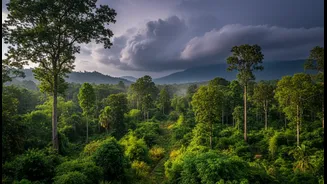
On the surface, recent studies paint a promising picture. Research, including a July 2026 report from the Indian Institute of Tropical Meteorology (IITM), suggests India's vegetation is set to become progressively greener, absorbing more carbon dioxide.
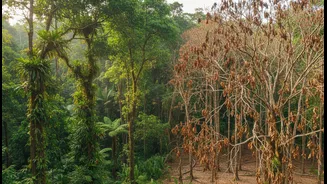
Projections indicate that the amount of carbon absorbed by plants could nearly double by the year 2100 under some climate scenarios. This greening is largely driven by increased carbon dioxide in the atmosphere, which can stimulate plant growth, and projections of higher rainfall. However, other studies reveal a troubling paradox. A significant portion of this greening comes from agricultural croplands, not from healthy, natural forests. While satellites see more green, they don't necessarily see ecological richness, and the health of many of India's most vital forests is declining.
The Unrelenting Pressure of Heat
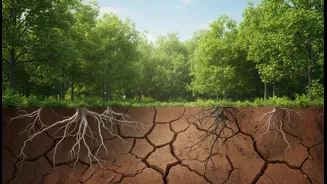
Intensifying heatwaves are a major threat to this fragile progress. Extreme heat directly stresses plants, leading to what is known as 'temperature-induced moisture stress'. This can suppress vegetation growth, especially in water-limited regions. Hotter-than-normal years tend to reduce how much carbon plants can absorb, and in some cases, can even cause them to release carbon back into the atmosphere. Beyond just impacting growth rates, rising temperatures are accelerating forest degradation, increasing the risk of wildfires, and altering the very structure of ecosystems. Studies have documented forest cover loss in protected areas like the Panchmarhi Biosphere Reserve, linking it directly to rising maximum temperatures over decades. This intense heat is pushing ecosystems toward a breaking point, creating a cycle of rising temperatures and declining environmental resilience.
Why Biodiversity is the Bedrock
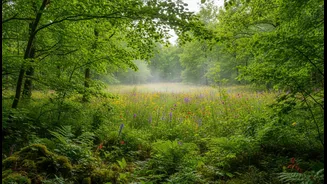
Biodiversity—the variety of all life, from microbes to mammals—is the invisible force holding our ecosystems together. It is what makes them resilient. When an ecosystem has a wide range of species, it is better equipped to handle shocks like climate change, disease, and drought. Different species perform different roles, and this functional redundancy acts as a natural insurance policy. If one species struggles, another can fill the gap. However, India's biodiversity is under severe threat. Rising temperatures and changing weather patterns are disrupting the natural cycles of plants and animals, causing early flowering, delayed nesting for birds, and forcing species to move to new areas. This loss doesn't just mean fewer tigers or hornbills; it means the entire ecosystem becomes weaker and less capable of providing essential services like water purification, pollination, and soil formation.
When Forecasts Meet a Complex Reality
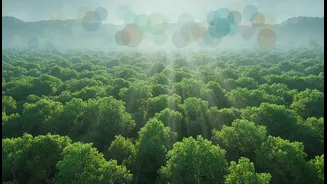
This brings us to the core challenge for India's future vegetation forecasts. Models that predict a greener India are based on factors like CO2 fertilization and increased rainfall. But they cannot fully account for the cascading effects of extreme heat and biodiversity loss. Scientists caution that more plant growth does not automatically mean a healthier ecosystem or that more carbon will be stored long-term. In fact, some studies show a mismatch, where India's forests are getting greener but their ability to actually absorb carbon is weakening. The photosynthetic efficiency of some of India's most critical forests, like those in the Western Ghats and Eastern Himalayas, has declined. This means that even as the land looks greener, its fundamental ability to function as a carbon sink is compromised, making future predictions highly uncertain.
The Stakes for India's Future
The success or failure of India's greening is not just an academic question; it has profound implications for the nation's future. Healthy, biodiverse ecosystems are a form of climate infrastructure, essential for survival. They buffer communities from floods and droughts, support agriculture, and provide livelihoods for millions. The degradation of these systems due to heat and biodiversity loss threatens food security, reduces water availability, and increases the vulnerability of communities to climate disasters. Ultimately, ensuring a truly green and sustainable future for India requires moving beyond simply counting green cover. It demands an integrated approach that focuses on restoring natural, biodiverse forests, cutting emissions, and building resilience from the ground up.