


What Exactly Is ‘Clean Nutrition’?
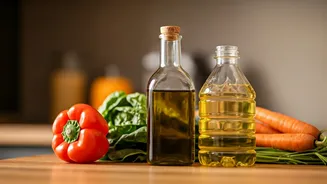
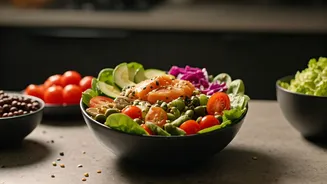
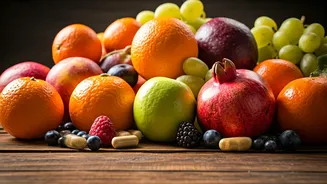
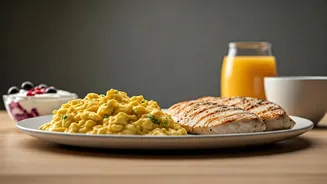
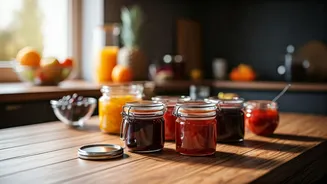
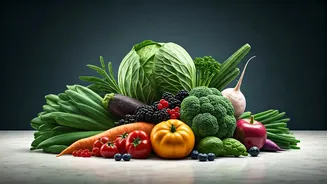
Unlike terms like ‘organic,’ ‘clean nutrition’ is not a regulated or officially defined category. Instead, it’s a consumer-driven movement focused on transparency and simplicity. At its core, it means choosing foods that are as close to their natural
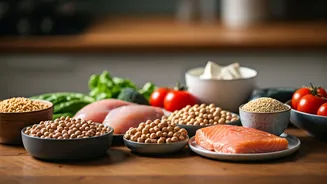
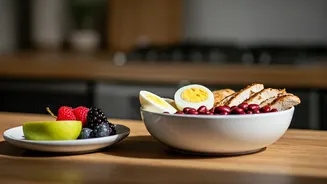
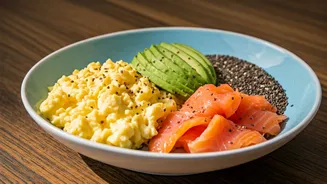
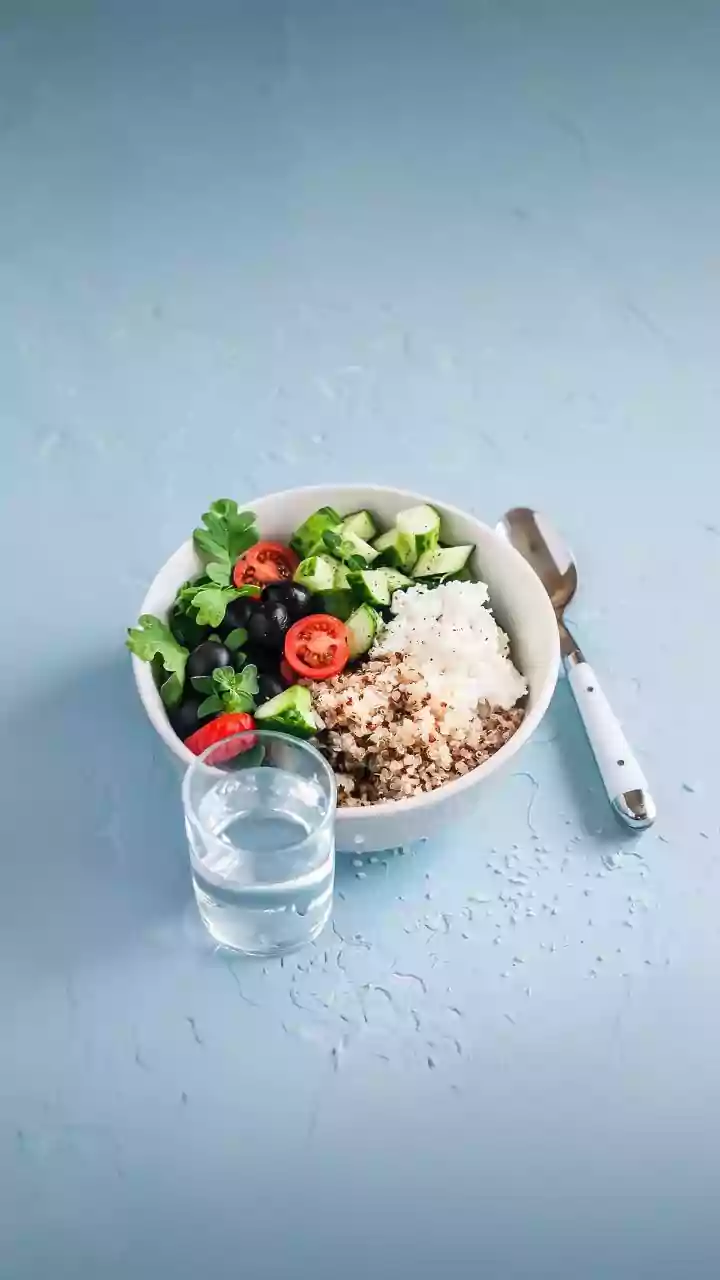
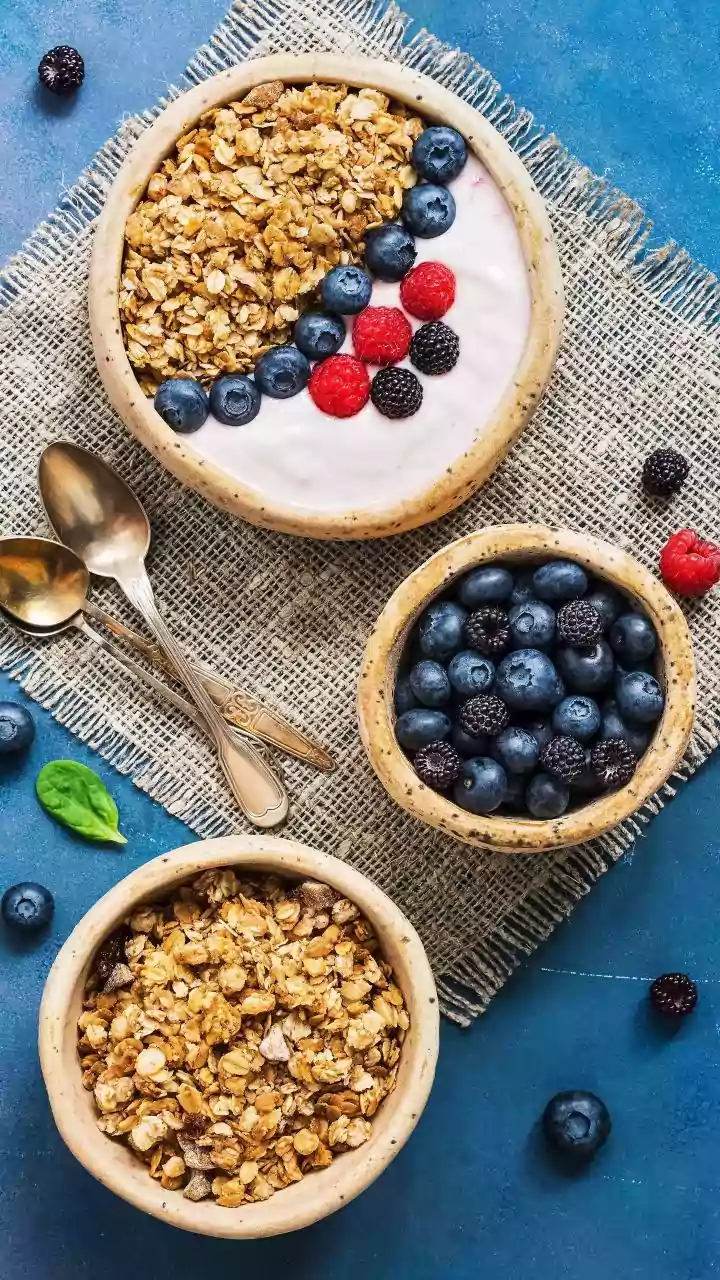
state as possible. This translates to products with short, understandable ingredient lists, free from artificial additives, synthetic chemicals, preservatives, and refined sugars. The philosophy is simple: if you can’t pronounce an ingredient or don’t recognise it as food, you should probably think twice about eating it. It’s a return to whole foods and a rejection of the ultra-processed items that have come to dominate modern diets. The emphasis is on nourishment, not just calories, and on understanding exactly what you’re putting into your body.
The Drivers Behind the Shift
So, why now? The primary catalyst was the COVID-19 pandemic, which placed an unprecedented focus on health and immunity. Suddenly, consumers across India began scrutinising food labels, looking for ingredients that would actively boost their well-being. This health-consciousness has persisted, creating a fertile ground for brands that prioritise nutritional value. Alongside this, rising disposable incomes in urban India mean more people can afford to pay a premium for higher-quality products. There's also the powerful influence of social media, where wellness influencers and health experts have amplified global trends around clean eating, plant-based diets, and gut health, making these concepts aspirational and accessible to a wider Indian audience. This convergence of health awareness, purchasing power, and digital influence has turned a niche interest into a mainstream movement.
From Niche Market to Mainstream Aisle
For years, healthy eating was confined to expensive, imported goods found in select gourmet stores. Today, clean nutrition is being democratised by a new wave of Indian startups and direct-to-consumer (D2C) brands. Companies like The Whole Truth, Slurrp Farm, and True Elements have built their entire identity around transparency, often using social media to educate consumers about reading labels and avoiding misleading marketing. By selling directly online, they bypassed traditional retail gatekeepers and built loyal communities. Their success has not gone unnoticed. Large, established FMCG giants, seeing the shift in consumer preference, are now scrambling to catch up. Many are either acquiring smaller clean-label brands or launching their own ‘better-for-you’ product lines, bringing the trend from the digital world into every neighbourhood kirana store.
Reading Between the Lines (and Labels)
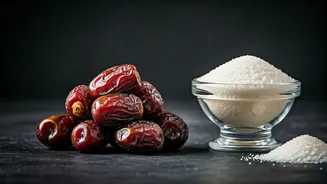
As ‘clean’ becomes a popular marketing buzzword, it’s crucial for consumers to become savvy label-readers. The front of the package can be misleading, with claims like ‘all-natural’ or ‘no added sugar’ sometimes hiding other unwanted ingredients. The real story is always in the ingredient list on the back. A good rule of thumb is to look for a short list dominated by whole foods you recognise. Ingredients are listed by weight, so the first few items make up the bulk of the product. Be wary of different names for sugar (like high-fructose corn syrup, dextrose, or maltodextrin) and complex chemical names you can’t pronounce. True clean products don’t need to hide behind flashy claims; their ingredient lists speak for themselves.
The Future of Food in India
The focus on clean nutrition is more than a fleeting fad; it represents a fundamental and permanent shift in how urban Indians approach food and wellness. While challenges like cost and scalability remain, the demand for transparency, quality, and health is only set to grow. We can expect to see more innovation in this space, with brands exploring traditional Indian ingredients, sustainable sourcing, and even personalised nutrition. Regulation may eventually catch up to provide clearer definitions, but for now, the power lies with the consumer. As more people demand better food, the industry will have no choice but to respond, paving the way for a healthier future for all.