





The Challenge: We're Not Built to Sip
Let’s be honest: remembering to drink water throughout the day is surprisingly difficult. Our body's thirst mechanism is more of a lagging indicator than a proactive reminder. By the time you feel thirsty, you're often already on the way to being dehydrated.
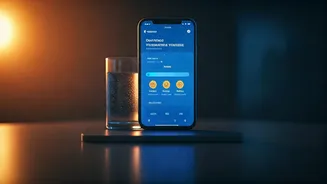
In the middle of a busy workday or during a blistering heatwave, it's easy to ignore those subtle signals until you’re hit with a headache, fatigue, or dizziness. This is the core problem that hydration apps aim to solve. They act as an external brain, a persistent but friendly nudge that our natural instincts often fail to provide until it's too late.
Enter Gamification: Hacking Your Habits
This is where the magic happens. ‘Gamification’ is the process of adding game-like elements—points, badges, competition—to non-game activities. Hydration apps have mastered this. Instead of just sending a sterile notification like “Drink water,” they transform the task into a mission. By tapping into your brain's reward system, they create a small dopamine hit with every glass you log. This positive feedback loop makes you more likely to repeat the behaviour. Suddenly, sipping water isn’t just about survival; it's about levelling up, earning a reward, or maintaining a winning streak. It’s a clever psychological trick that turns a mundane necessity into an engaging activity.
The Cute Factor: Your Virtual Water Pet
One of the most popular gamification tactics is creating an emotional connection. Apps like Plant Nanny and Waterllama don’t just give you points; they give you something to care for. In Plant Nanny, you choose a cute virtual plant that 'drinks' water every time you do. If you stay hydrated, your plant thrives, grows, and you can even collect a whole garden of them. If you neglect your water intake, your little plant starts to wilt and look sad. This simple visual feedback is incredibly powerful. The desire to keep your digital companion alive and happy becomes a surprisingly strong motivator to pour yourself another glass of water.
Streaks, Badges, and Bragging Rights
For those driven by achievement and competition, these apps offer a different kind of motivation. Many include features like 'streaks' for drinking enough water for multiple days in a row, unlocking badges for hitting milestones (like 'First Gallon' or '7-Day Streak'), and even leaderboards where you can compete with friends. This taps into our innate desire for accomplishment and social validation. Sharing your achievements on social media or competing with a friend adds a layer of accountability. Nobody wants to be the one to break the group’s hydration streak, making it a fun, collaborative way to build a healthy habit.
But Do They Actually Work?
While there isn't a massive body of clinical research dedicated solely to hydration apps, the principles they use are well-established in behavioural science. For many users, they serve as an effective crutch to build a new habit. The constant reminders and rewarding feedback loops can genuinely increase daily water intake. However, they aren't a magic bullet. The novelty can wear off, and some users may experience 'notification fatigue.' The key is to see them as a tool for training, not a permanent solution. The ultimate goal is for the behaviour to become so ingrained that you no longer need the app to remind you. Think of it as training wheels for better hydration.