



Meghalaya: Where Clouds Meet Earth
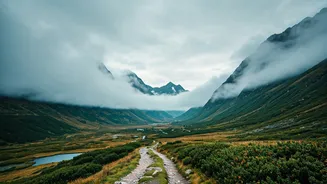
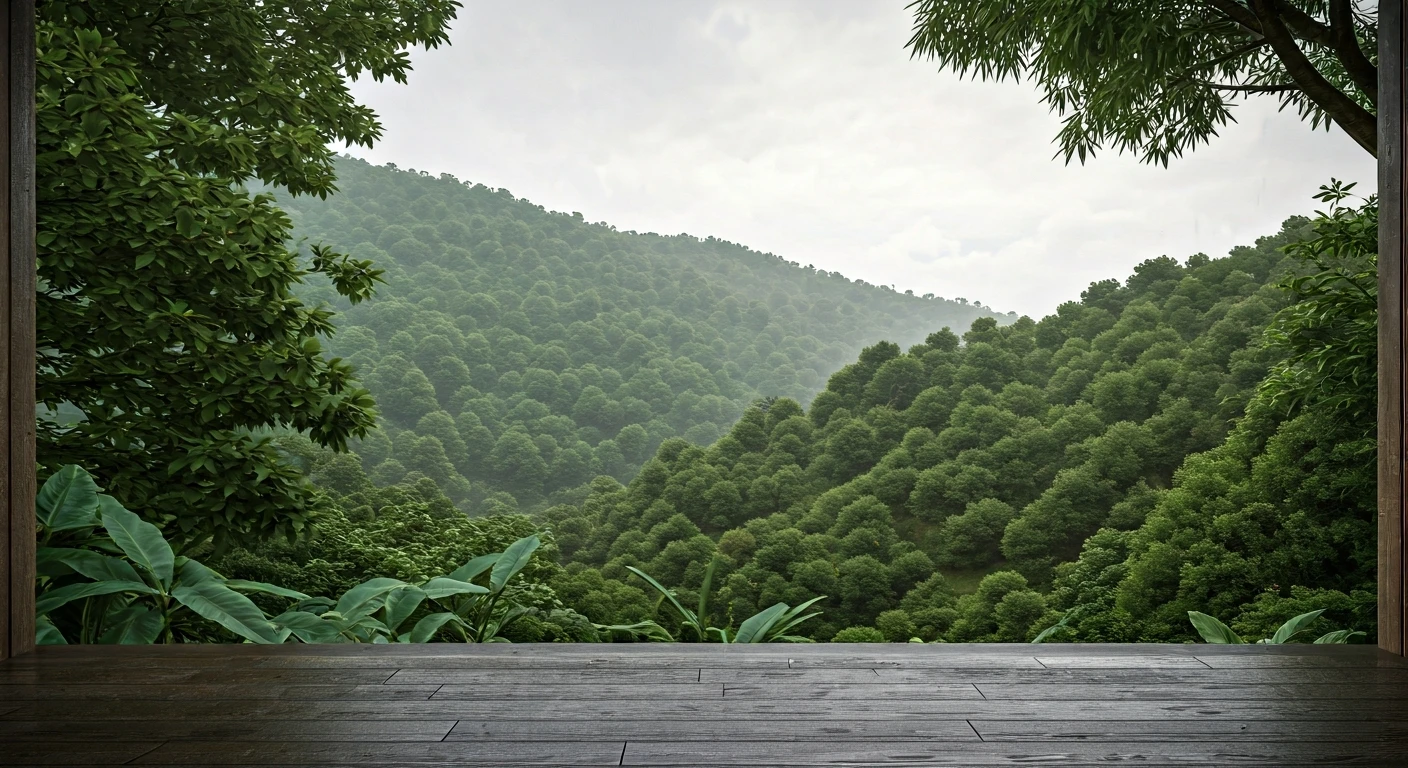
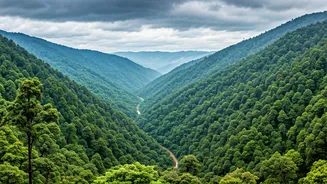
Known as the 'Abode of Clouds', Meghalaya truly comes alive after the rains. The landscapes around Cherrapunji and Mawsynram—two of the wettest places on Earth—transform into an emerald spectacle. This is the best time to witness the state’s countless
waterfalls, like Nohkalikai and the Seven Sisters Falls, gushing with full force. For adventure seekers, the famous living root bridges near Mawlynnong are a sight to behold. These bio-engineered marvels, woven from the roots of rubber trees by the Khasi tribes, become even more mystical when surrounded by mist and the vibrant green of the forest floor. The entire state feels like a living, breathing fairy tale, making it a top draw for photographers and nature lovers alike.
Dzukou Valley: Nagaland’s Carpet of Flowers
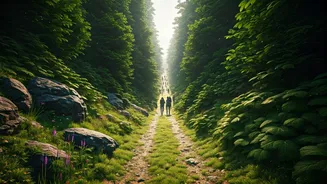
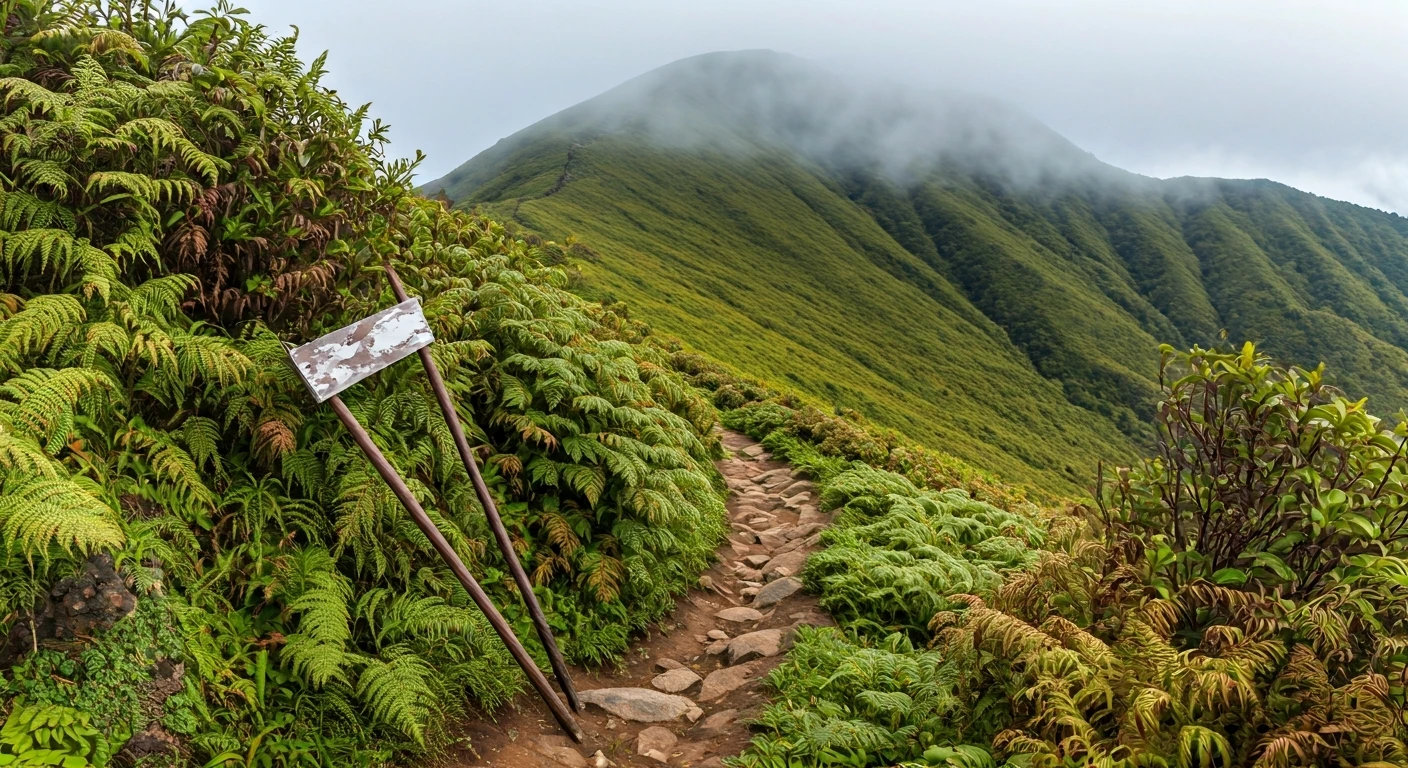
Straddling the border of Nagaland and Manipur, the Dzukou Valley is an Instagrammer’s paradise, especially from June to September. During this period, the valley floor is covered in a vibrant carpet of wildflowers, most famously the rare Dzukou Lily. The trek to the valley is as rewarding as the destination itself, taking you through serene forests and rolling hills. The post-monsoon air is crisp, and the vistas are breathtaking. This is not a luxury trip; it involves trekking and basic accommodation in dormitories, but the experience of waking up to a valley drenched in morning dew and blooming flowers is unparalleled. The surge in trekkers and nature enthusiasts heading here is a testament to its raw, untouched beauty.
Ziro Valley: Culture Amidst Paddy Fields
Arunachal Pradesh’s Ziro Valley is a stunning example of how nature and culture can coexist beautifully. The valley is home to the Apatani tribe, known for their unique sustainable agriculture and aquaculture practices. Post-monsoon, the terraced rice paddies are a brilliant, lush green, creating a patchwork quilt across the landscape. The valley gained international fame with the Ziro Festival of Music, held every September, which draws thousands of music lovers from across the country. But even outside the festival, Ziro offers a peaceful retreat. You can explore Apatani villages, interact with the locals, and simply soak in the tranquillity of one of India’s most picturesque valleys.
Sikkim: Clear Skies and Mountain Views
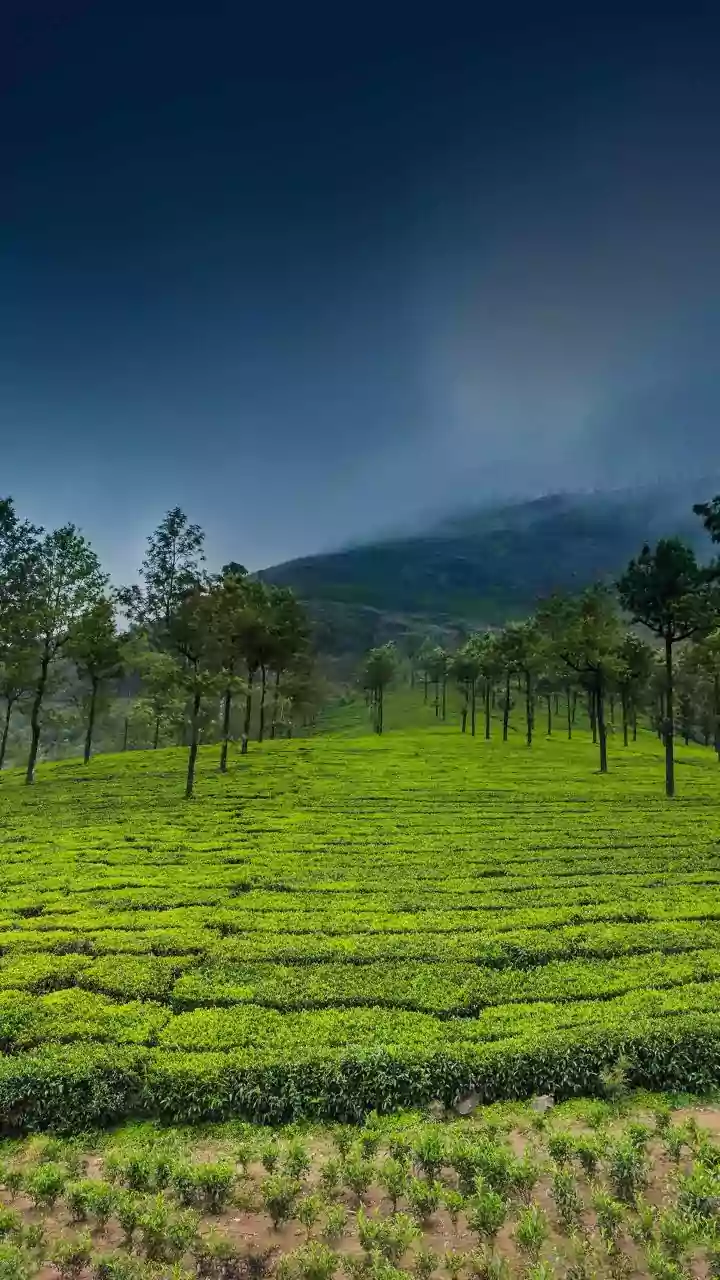
While the monsoon can bring landslides, the period immediately following it (October-November) is arguably the best time to visit Sikkim. The rains wash the dust from the air, offering crystal-clear views of the mighty Kanchenjunga and its surrounding peaks. Destinations like Pelling and Yuksom become gateways to spectacular Himalayan panoramas. The landscape is still lush from the preceding wet months, with rhododendron forests and alpine meadows looking their best. It's the perfect season for trekking, visiting serene monasteries like Rumtek and Pemayangtse without the tourist hordes of peak season, and enjoying the pleasant, cool weather. The state’s efficient tourism infrastructure makes it an accessible entry point to the wonders of the Northeast.
Assam’s Majuli: Life on a River Island
The world's largest river island, Majuli in Assam, is a fragile ecosystem that shows its most vibrant face after the floods. The monsoon swells the Brahmaputra, but as the water recedes, it leaves behind fertile silt, turning the island into a verdant paradise. This is when the rice fields are at their greenest and the wetlands teem with migratory birds. Majuli is the cradle of Assam's neo-Vaishnavite culture, and you can visit its ancient 'satras' (monasteries) to witness unique traditions, mask-making, and devotional music. Renting a scooter or a bicycle to explore the island’s sleepy villages and serene riverbanks is an experience that feels a world away from the chaos of modern life.