





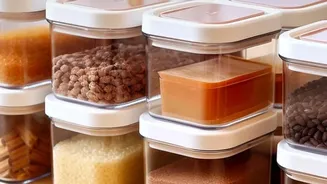
Embrace the Airtight Revolution
The single most important defence against monsoon moisture is proper storage. High humidity, which can reach 80-95% in many parts of India during this season, is the primary enemy. Original paper or cardboard packaging will not protect your food. Instead,
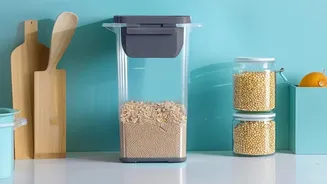
transfer everything—from biscuits and chips to salt and sugar—into high-quality airtight containers. Glass jars are particularly effective as they are less porous than plastic and create a better seal against moisture. This simple step is your first and best line of defence, locking in freshness and preventing the dampness that leads to mould and spoilage.
A Strategy for Spices and Flours
Spices like garlic powder, onion powder, and even salt are hygroscopic, meaning they readily absorb moisture from the air, causing them to clump and harden. To combat this, avoid shaking spice containers directly over a steaming pot, as the moisture will travel straight into the jar. For dals, flours, and rice, store them in sealed containers. An age-old Indian technique is to add a few dried bay leaves or neem leaves to your grain containers; these act as natural insect repellents and anti-fungal agents. For spices, you can add a few grains of uncooked rice or even dried beans to the jar to absorb any excess moisture.
Handle Fresh Produce with Care
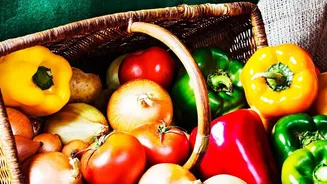
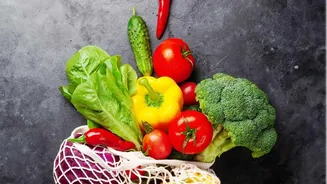
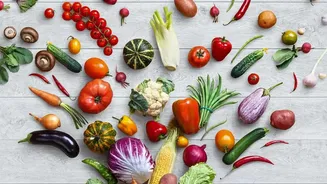
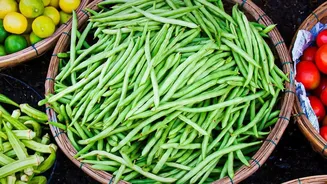
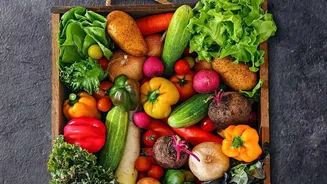
Vegetables and fruits spoil much faster in the damp monsoon weather. It's often recommended to avoid raw salads and pre-cut fruits, as they are more susceptible to contamination. When you bring vegetables home, make sure to dry them thoroughly before refrigerating them. Storing damp produce, especially leafy greens, creates an ideal environment for rot and mould. Use cloth bags or keep them in the fridge's crisper drawer, but avoid sealed plastic bags which trap moisture. Wash all produce thoroughly under clean running water just before you use it.
The Refrigerator and Leftover Rules
Your refrigerator works overtime during the monsoon. To keep it effective, ensure it's clean and set to 4°C or below. Store cooked food on the upper shelves in sealed containers, and raw vegetables or meats on the lower shelves to prevent cross-contamination from dripping juices. Be extra cautious with leftovers. Cooked food like rice and dal should be cooled quickly and refrigerated within an hour, as bacteria multiply rapidly in the heat and humidity. As a rule, aim to consume leftovers within 24 hours. When reheating, ensure the food is steaming hot to kill any potential bacteria.
Keep Your Kitchen Environment Dry
Controlling the overall humidity in your kitchen is crucial. Ensure good ventilation by using an exhaust fan while cooking. After washing dishes, wipe the sink and countertops dry to prevent moisture from lingering in the air. Regularly check under the sink and inside cabinets for any signs of dampness or musty smells, which are early indicators of mould. For particularly damp corners or cupboards, you can place natural dehumidifiers like a small bowl of rock salt, baking soda, or activated charcoal to absorb ambient moisture.
Maintain a Strict Cleaning Schedule
A clean kitchen is less inviting to pests like cockroaches and ants, which seek shelter indoors during the rains. Wipe up spills immediately and ensure no food crumbs are left on counters or the floor. Clean your dustbin daily and disinfect it weekly. Kitchen cloths and sponges can become breeding grounds for bacteria in damp weather; wash them in hot water and ensure they are completely dry before you use them again. A weekly deep clean of drains using baking soda and vinegar can also help prevent clogs and odours.