





What the FSSAI is Proposing
The Food Safety and Standards Authority of India (FSSAI) has been progressively tightening the rules around the use of cooking oil, particularly oil that is used repeatedly for frying. The cornerstone of this regulation is the limit set for 'Total Polar
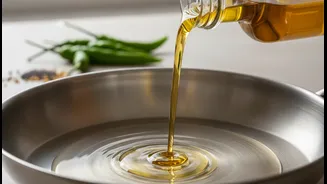
Compounds,' or TPC. These are chemical byproducts that form when oil is heated to high temperatures over and over again. FSSAI has mandated that the TPC level in cooking oil must not exceed 25%. Anything beyond this limit is deemed unsafe for human consumption. This rule applies to all food business operators, from large restaurants to smaller establishments, especially those that use more than 50 litres of oil per day. The regulations require these businesses to monitor their oil quality and maintain records of how they dispose of used cooking oil (UCO).
The Science of 'Bad' Oil
So, what exactly are Total Polar Compounds, and why are they a concern? When oil is repeatedly heated, its chemical structure breaks down through processes like oxidation and hydrolysis. This degradation creates TPCs, which not only make the oil darker and more viscous but also introduce harmful substances. Consuming food cooked in such oil has been linked to a range of health issues, including hypertension, high cholesterol, liver diseases, and even atherosclerosis (the hardening of arteries). More alarmingly, some of the compounds generated, like aldehydes and polycyclic aromatic hydrocarbons (PAHs), are considered carcinogenic, meaning they have the potential to cause cancer over time. These compounds can increase free radicals and inflammation in the body, weakening the immune system.
A Reality Check for Food Businesses
For food businesses, these regulations present both a challenge and an opportunity. The primary goal is to stop the hazardous practice of either using degraded oil indefinitely or, worse, selling it to smaller vendors at a lower price—a common but dangerous practice. While larger restaurant chains may have the resources to implement quality checks and dispose of oil properly, the real challenge lies with smaller eateries and street food vendors. The FSSAI advises that oil should be discarded when it becomes dark, emits blue-grey smoke, or forms a thick foam. However, the cost of fresh oil can be a significant economic pressure. This is where the push for a structured disposal system becomes critical, ensuring that unsafe oil is removed from the food chain entirely.
From the Frying Pan to the Fuel Tank
The FSSAI's initiative isn't just about disposal; it's about creating a circular economy. Through its RUCO (Repurpose Used Cooking Oil) program, the authority has created an ecosystem to collect UCO and facilitate its conversion into biodiesel. This strategy turns a public health hazard into a valuable resource. By partnering with biodiesel manufacturers and authorised collection agencies, RUCO provides a structured and economically viable way for restaurants to get rid of their used oil. Instead of being dumped into drains, which harms the environment, or illegally resold, the UCO is repurposed as a cleaner-burning fuel, contributing to energy security and reducing pollution. This 'Triple E' strategy—Education, Enforcement, and building an Ecosystem—aims for a comprehensive solution.
The Road Ahead for Consumers and Cooks
While the regulations target food businesses, the conversation extends to every Indian household. At home, FSSAI suggests that oil used once for frying can be filtered and repurposed for curry preparations, but it should not be repeatedly used for deep-frying. Experts advise against using the same batch of oil more than two or three times. The broader discussion initiated by these regulations is about awareness. It encourages consumers to be more vigilant about the quality of food they eat outside and empowers them to make healthier choices in their own kitchens. As the FSSAI continues to refine its standards, including recent drafts on minor seed oils and other food products, the focus remains firmly on enhancing public health and ensuring the food on our plates is safe.