






The Hidden Dangers Above Your Stove
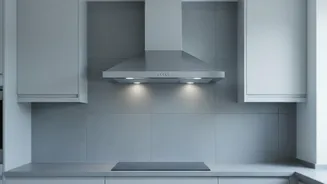
The primary job of a kitchen vent—whether it's a chimney, range hood, or part of an over-the-range microwave—is to pull smoke, steam, and airborne grease particles away from your cooking surface. Over time, that sticky grease builds up on the vent's filter
and inside the ductwork. This greasy buildup is highly flammable. A simple spark from high-heat cooking or a motor overheating in the chimney can ignite this grease, leading to a dangerous kitchen fire. Beyond the fire risk, a blocked vent system ceases to function effectively. This means smoke and cooking fumes, which can contain harmful pollutants like carbon monoxide, are not properly removed from your home, degrading your indoor air quality. Poor ventilation can lead to lingering odours, a sticky film on kitchen surfaces, and potential respiratory issues.
Signs Your Vent Needs Attention
You don’t have to wait for a problem to become a crisis. Your kitchen will often give you clear warning signs that your vent is clogged and needs cleaning. One of the most obvious clues is poor suction; if smoke and steam linger in the kitchen instead of being pulled away, the vent is not working efficiently. Strange noises coming from the exhaust fan can indicate that the motor is straining against a blockage. You might also notice a sticky, yellowish film on the hood itself or on surrounding cabinets. In some cases, you may even see grease dripping from the vent cover—a sure sign that it's overdue for a cleaning. Persistent cooking smells that don't dissipate long after the meal is over are another strong indicator of a blocked system.
Cleaning Your Range Hood or Chimney Filter
For most homes, the metal mesh filter is the first line of defence. Cleaning it is a simple but vital task that should be done at least once every one to three months. First, safely remove the filter from the hood; most have a latch or handle that makes them easy to slide out. Fill a sink or large basin with boiling hot water, a generous squirt of degreasing dish soap, and about a quarter-cup of baking soda. Submerge the greasy filter and let it soak for at least 15-20 minutes. You'll see the water turn cloudy as the grease dissolves. After soaking, use a non-abrasive scrub brush to gently remove any remaining residue. Rinse the filter thoroughly with hot water and let it air dry completely before reinstalling it.
What About Microwave and Oven Vents?
Over-the-range microwaves have similar grease filters on their underside that need regular cleaning using the same soap and water method. These should be cleaned monthly. Many microwaves that recirculate air also have a charcoal filter, which is designed to absorb odours. Unlike grease filters, charcoal filters cannot be cleaned and must be replaced, typically every six months. Gas ovens also have vents that can pose a carbon monoxide risk if blocked, especially by things like aluminium foil placed improperly on the oven bottom. It's crucial to ensure the oven's internal and external vents are always clear of obstructions to allow for proper combustion and exhaust.
When to Call a Professional
While cleaning the filter is a straightforward DIY task, some situations require professional help. If you've cleaned the filter but the vent's suction is still weak, the blockage may be deeper inside the ductwork. This is a more complex and potentially hazardous cleaning job that is best left to professionals. Similarly, if the fan motor is making grinding noises or has stopped working altogether, it's time to call a repair service. For homes in India, where tadka and frying are common, chimney fires due to grease buildup in ducts are an underreported but serious risk. Investing in a professional duct cleaning every few years can prevent a dangerous fire and ensure your kitchen remains a safe space for your family.