





The Undeniable Benefits of Walking Indoors
Walking indoors provides the same core benefits as walking outside, from improving cardiovascular health to boosting your mood. It lowers blood pressure, strengthens bones, and can help manage weight. The key advantages are convenience and safety. You
can do it any time, day or night, without worrying about traffic, uneven sidewalks, or bad weather. This consistency is crucial for building a lasting exercise habit. It’s a zero-cost, low-impact workout that's easy on the joints, making it perfect for beginners, older adults, or anyone recovering from injury.
Setting Yourself Up for Success
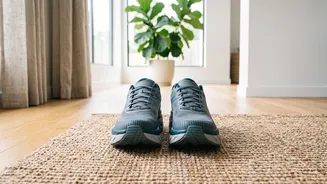
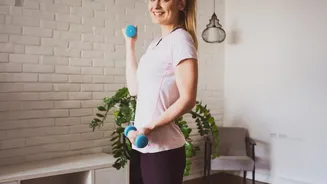
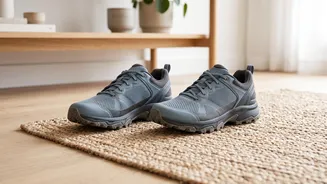
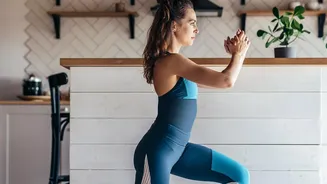
You don’t need much to start, but a little preparation helps. Wear comfortable clothing and supportive shoes to prevent discomfort or injury. Clear a small space in your living room, bedroom, or hallway. Even a few feet of open area is enough. Posture is key: stand tall, keep your shoulders relaxed and back, and gently engage your core. Imagine a string pulling you up from the top of your head. As you move, let your arms swing naturally. Before beginning any new exercise regimen, it is recommended to consult with a healthcare professional, especially if you have pre-existing health conditions.
The Foundation: Marching in Place
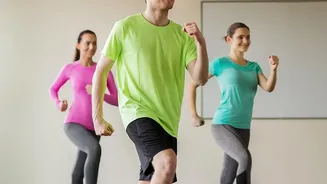
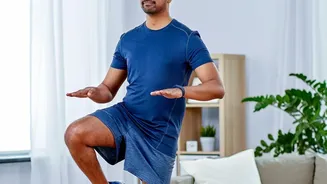
Marching in place is the cornerstone of any indoor walking routine. Stand with your feet hip-width apart. Lift one knee up toward your waist, then lower it and lift the other. Swing your opposite arm forward with each knee lift, just as you would when walking normally. This simple movement gets your heart rate up, improves circulation, and warms up your muscles. You can control the intensity easily—a slower march is a great warm-up, while a brisker pace with higher knees increases the challenge.
Level Up: High Knees and Butt Kicks
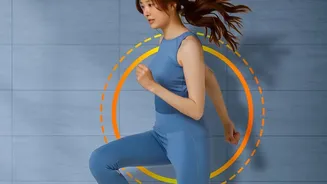
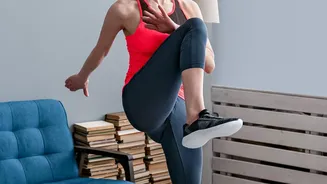
To increase your heart rate and work more muscles, incorporate variations like high knees and butt kicks. For high knees, focus on driving your knee up toward your chest as high as you comfortably can, alternating legs. This move engages your core and challenges your cardiovascular system more than a simple march. For butt kicks, as you march, try to kick your heel back towards your glutes. This move targets your hamstrings, the muscles on the back of your thighs, adding a strength component to your walk.
Move Laterally: Side Steps
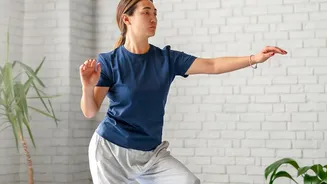
Most of our daily movement is forward and backward. Adding side steps, also known as lateral movement, is important for overall mobility and strength. Start with your feet together, then take a wide step to your right with your right foot. Bring your left foot to meet it. Repeat this several times before switching directions and leading with your left foot. This exercise strengthens the inner and outer thighs and improves stability.
Create Your Own Walking Routine
The best workout is one you’ll stick with. A great way to start is by creating a simple circuit. Try performing each exercise for a set amount of time. For example, you could do one minute of each of the following: Marching in Place, High Knees, Butt Kicks, and Side Steps. After completing all four moves, rest for 60 seconds. Repeat the entire circuit three to five times for a 15–25 minute workout. You can find many free guided walking workout videos online for extra motivation. Even 10–15 minutes a day can make a significant difference.