




From Arid Sands to Emerald Hills
For generations, the image of Rajasthan has been tied to its golden sand dunes and sun-drenched palaces, best visited in the cool, dry winter months. But a remarkable shift is underway. The monsoon, once considered the off-season, is now becoming a peak
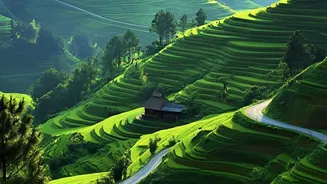
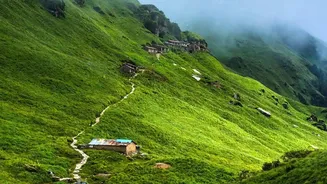
travel period. From July to September, the parched Aravalli hills shed their brown coat for a vibrant, velvety green. This transformation is not just a visual spectacle; it's driving a new wave of 'green tourism,' with travellers seeking to experience nature in its purest form. The rains bring down temperatures from the scorching highs of summer, creating a pleasant climate for exploration, while the scent of wet earth—'maati ki khushboo'—fills the air.
Udaipur: The Rejuvenated City of Lakes
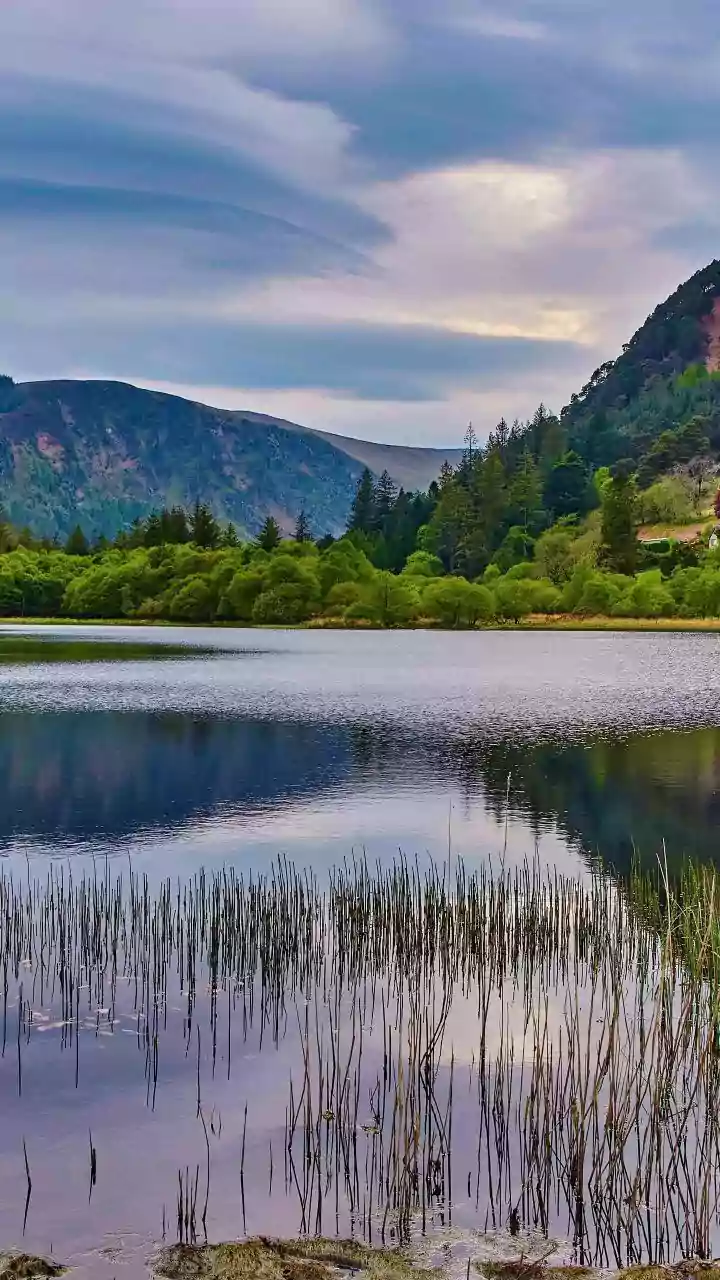
Nowhere is the monsoon's magic more apparent than in Udaipur. Often called the 'City of Lakes,' its famous water bodies, like Lake Pichola and Fateh Sagar Lake, which can recede during summer, are now brimming with fresh rainwater. The overflowing lakes and the surrounding green hills have made the city a must-visit destination, with its royal architecture creating a dreamy, romantic atmosphere. Boat rides on the replenished lakes offer stunning views of the City Palace and the floating Lake Palace against a backdrop of dramatic, cloud-filled skies. The iconic Sajjangarh, or Monsoon Palace, truly lives up to its name, offering breathtaking panoramas of storms rolling in across the valley.
Beyond Udaipur: Exploring the Green Belt
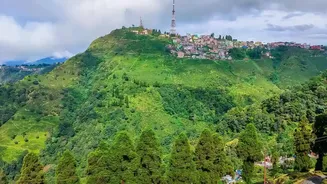
The monsoon's touch extends far beyond Udaipur. Rajasthan's only hill station, Mount Abu, becomes a refreshing escape, covered in mist with cool weather and active waterfalls. The mighty Kumbhalgarh Fort, a UNESCO World Heritage Site, offers incredible views of the now-lush Aravalli ranges; its highest ramparts, known as the 'Palace of Clouds,' are often literally enveloped in mist. The Hadoti region, including towns like Bundi and Kota, reveals another side of monsoon beauty. Bundi's famous stepwells, like Raniji Ki Baori, fill up, and the area around Kota becomes a paradise with attractions like the Garadia Mahadev gorge and Gaipernath Waterfall.
An Off-Season No More
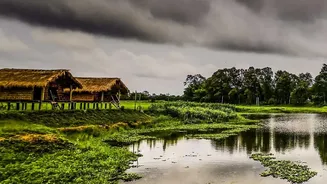
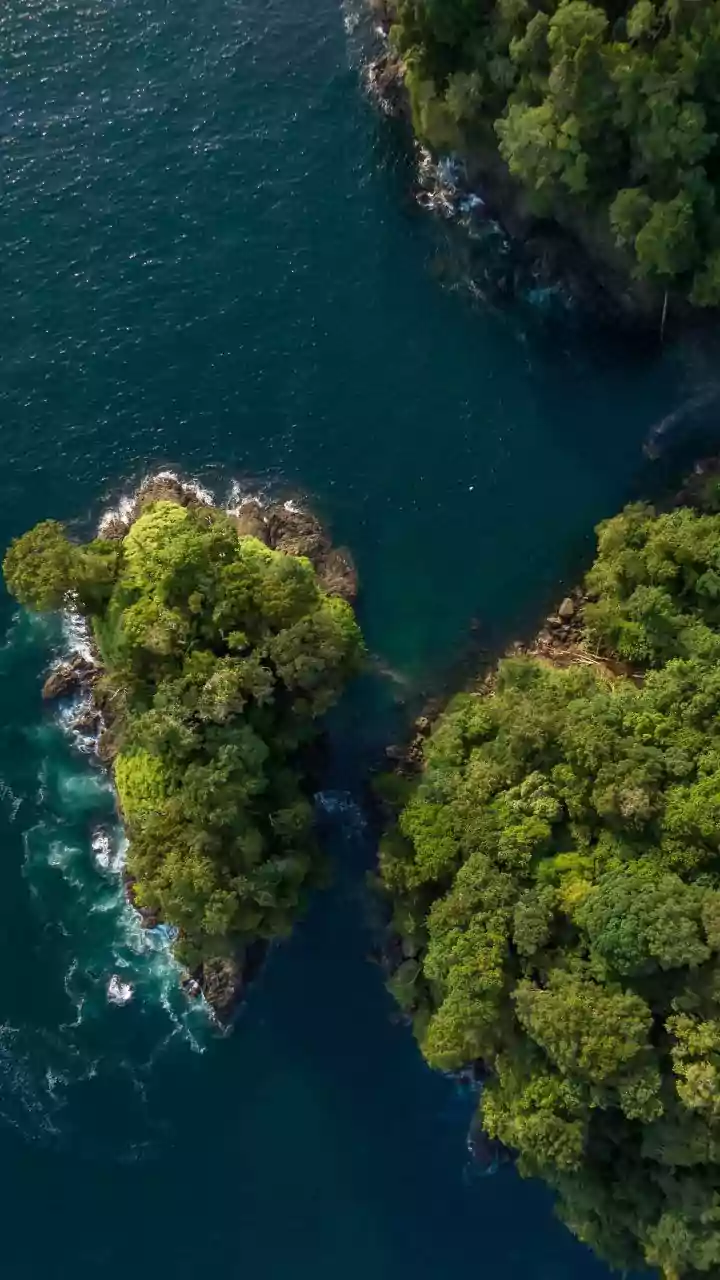
This growing interest in monsoon travel has provided a significant boost to Rajasthan's hospitality industry. What was once a quiet period with heavy discounts is now seeing a surge in bookings. Travellers are opting for slower, more immersive journeys, often venturing beyond the main tourist hubs to emerging destinations. Places like Banswara, known as the 'City of a Hundred Islands,' and Jhalawar, with its vibrant orange orchards, offer unique, off-the-beaten-path experiences that look more like a tropical landscape than a desert state. Improved road and air connectivity has also made it easier for tourists to plan quick getaways to enjoy the rain-washed scenery.
Tips for Your Monsoon Adventure
While monsoon travel in Rajasthan is magical, it requires some planning. Although the state typically experiences refreshing showers rather than relentless downpours, it's wise to pack waterproof gear and be flexible with your itinerary. Most major forts, palaces, and attractions remain open. However, while some wildlife sanctuaries like Mount Abu Wildlife Sanctuary are open, the core zones of major tiger reserves like Ranthambore and Sariska are usually closed, though buffer zone safaris can still offer rewarding experiences. Check road conditions before heading to remote areas, especially after heavy rain. With the season's growing popularity, it's also a good idea to book accommodations in popular spots like Udaipur and Mount Abu in advance.