

The Rise of the Single-Serving
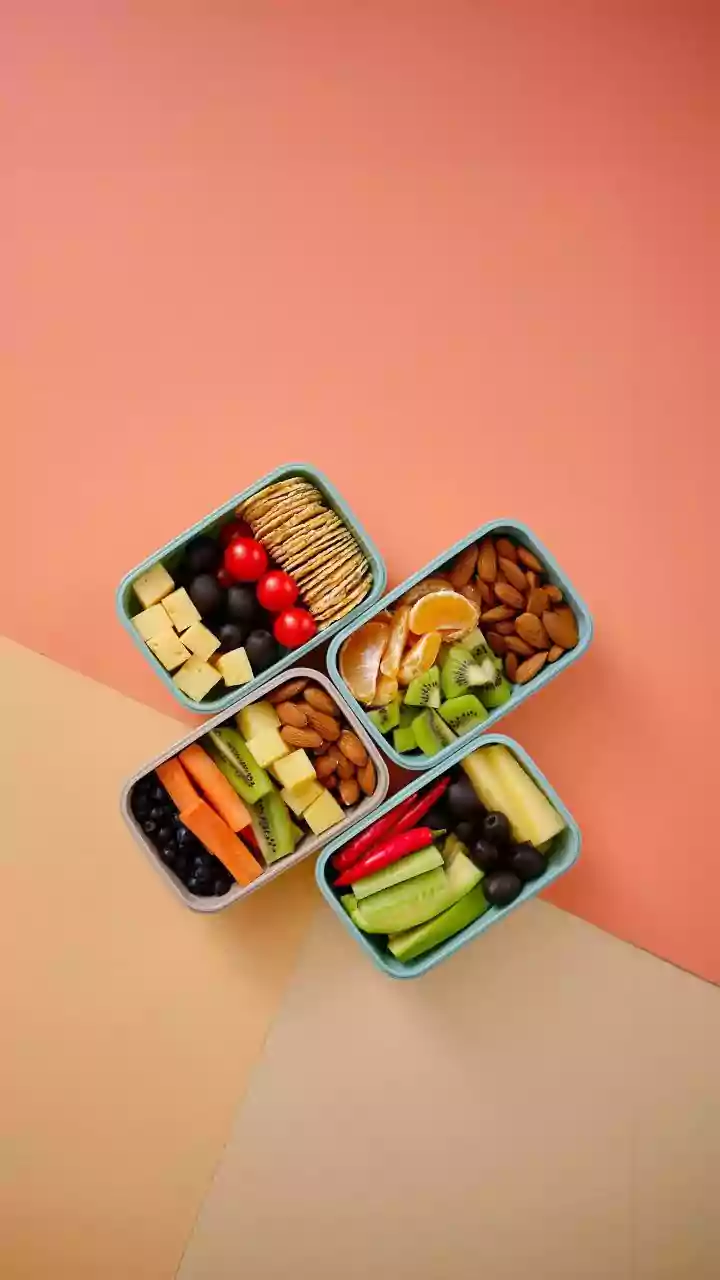
The most visible change in India's snacking landscape is the move towards smaller, individual packs. A 2024 study highlighted this trend of “mindful indulgence,” revealing that a staggering 79% of Indian consumers prefer smaller portions of an indulgent
snack over a larger serving of a low-fat alternative. This shift is driven by a growing consciousness around health and wellness. Consumers are increasingly aware of portion control as a tool for managing calorie intake without completely giving up their favourite treats. Small-sized, low-cost packs also drive impulse purchases at neighbourhood stores, making them accessible across all economic levels. For brands, these smaller stock-keeping units (SKUs) serve a dual purpose: they encourage trial from new customers and cater to the solo-consumption habits of urban dwellers and young professionals.
Convenience for a Life on the Go
India's rapid urbanization has reshaped daily routines, making convenience a non-negotiable attribute for food products. Long commutes, hectic work schedules, and the rise of nuclear families mean less time for traditional meal preparation. Snacks are increasingly filling the gap, transitioning from an in-between treat to a meal substitute. This has fueled a boom in ready-to-eat options that are portable and easy to consume anywhere. The surge of quick-commerce platforms has further cemented this habit, shortening the time from craving to consumption to as little as 10-15 minutes. This on-the-go culture has made products like granola bars, protein bars, and roasted makhana staples for consumers seeking quick energy.
An Explosion of Variety and Flavour
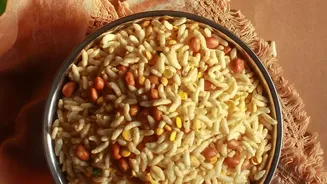
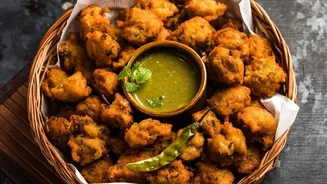
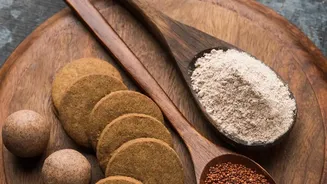
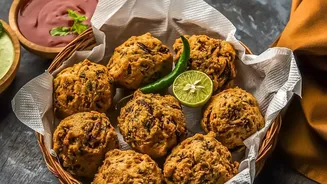
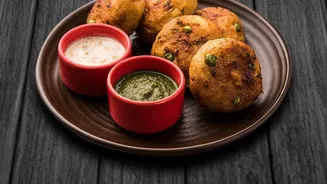
Today’s snack aisle is a testament to incredible diversity. While traditional favourites like sev, bhujia, and samosas remain popular, they now share shelf space with a vast array of new options. The market is seeing an influx of baked and air-fried versions of classic snacks, catering to a desire for guilt-free indulgence. Moreover, there is a growing appetite for new flavours and formats. Millet-based snacks, such as jowar puffs, have gained significant traction, supported by government initiatives promoting their health benefits. The direct-to-consumer (D2C) boom has also played a pivotal role, allowing innovative brands to bypass traditional retail and introduce products like protein-packed popped pea chips, gluten-free cookies, and artisanal roasted nuts directly to consumers.
The Health-Conscious Consumer
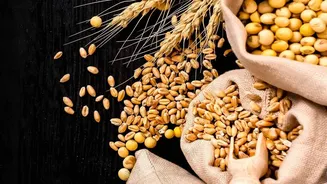
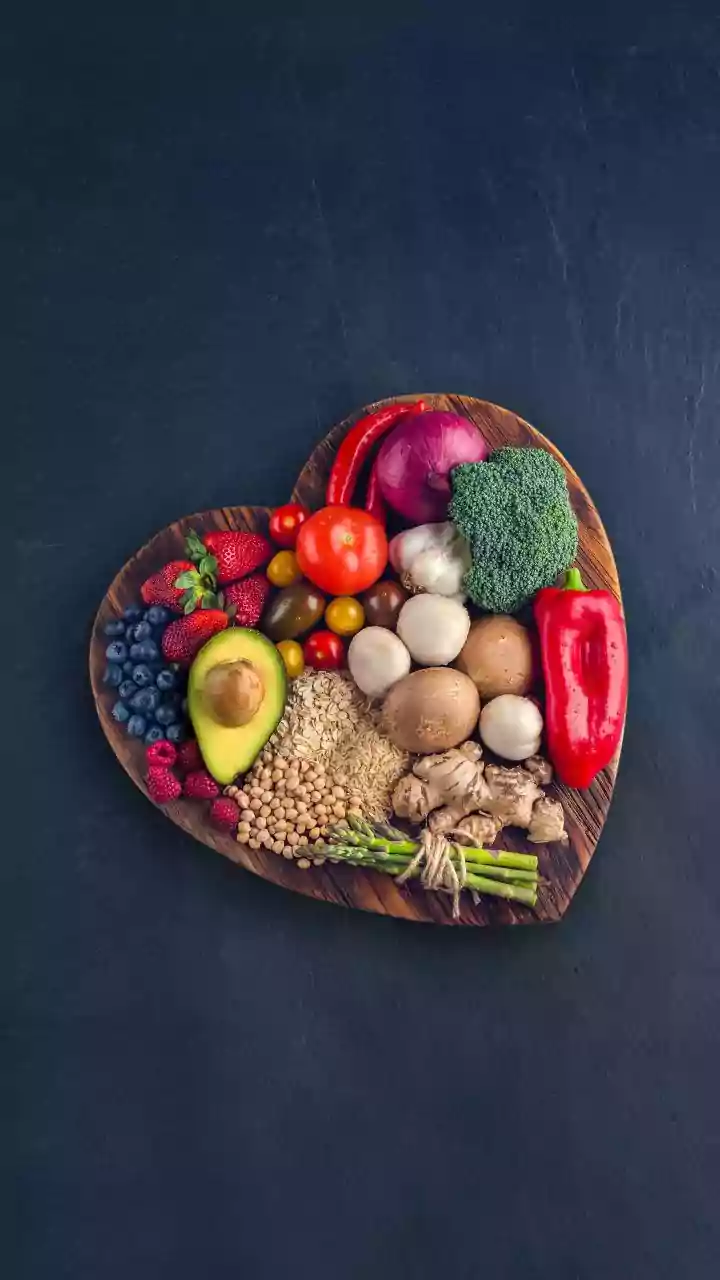
Health is no longer an afterthought in snacking; it’s a primary driver. A 2026 survey found that 86% of Indian snackers consider protein content important when making a choice. Consumers are actively reading labels, looking for clean-label products with recognizable ingredients and transparent nutritional information. This has led to a surge in demand for snacks rich in nuts, seeds, and fruits, which was the largest segment of the healthy snacks market in 2025. The evolution is clear: snacks like makhana are replacing fried chips, while nuts and seeds are taking over from sugary tea-time biscuits. This shift reflects a deeper understanding of nutrition and a proactive approach to wellness, where snacks are expected to offer functional benefits, such as boosting energy or aligning with fitness goals.