






The Scale of Hidden Hunger
Micronutrient deficiency is a silent public health crisis in India. Over half of women and nearly two-thirds of children under five are anaemic, often due to iron deficiency. Furthermore, vast portions of the population show deficiencies in Vitamin D,
Vitamin B12, and zinc. This isn't just a problem for the poor; it affects all segments of society. These deficiencies have severe consequences, leading to impaired brain development in children, reduced work productivity in adults, and weakened immune systems, making people more susceptible to illness. The problem is so widespread because many common diets, while providing enough calories, lack essential vitamins and minerals.
What is Food Fortification?
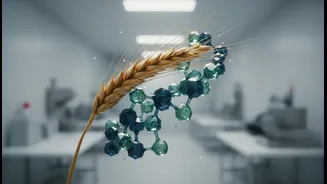
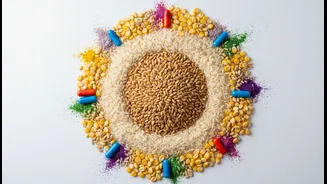
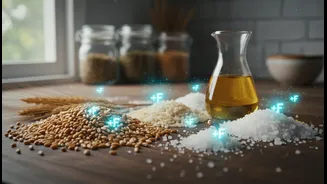
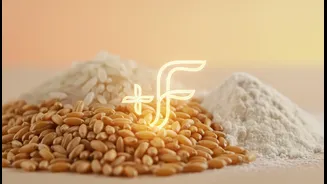
Food fortification is the process of deliberately adding essential micronutrients like iron, iodine, zinc, and vitamins to staple foods. This is done to improve their nutritional quality without changing the taste, texture, or appearance of the food. In India, the Food Safety and Standards Authority of India (FSSAI) has established regulations for fortifying staples such as salt with iodine and iron; edible oil and milk with Vitamins A and D; and wheat flour and rice with iron, folic acid, and Vitamin B12. You can identify these products in the market by looking for the blue ‘+F’ logo, which signifies that the food has been fortified as per national standards.
A Cost-Effective and Scalable Solution
One of the greatest strengths of food fortification is its ability to reach a massive population with minimal changes to their existing behaviour. By adding nutrients to foods that people already consume daily, such as salt, oil, and flour, the intervention works quietly in the background. This makes it a highly cost-effective and scalable public health strategy. It can be implemented through existing distribution channels, including the Public Distribution System (PDS) and the open market, ensuring that even the most vulnerable populations in rural and urban areas can benefit. Given that over 70% of Indians consume less than the recommended daily allowance of micronutrients, fortification acts as a vital safety net.
The Goal of Dietary Diversity
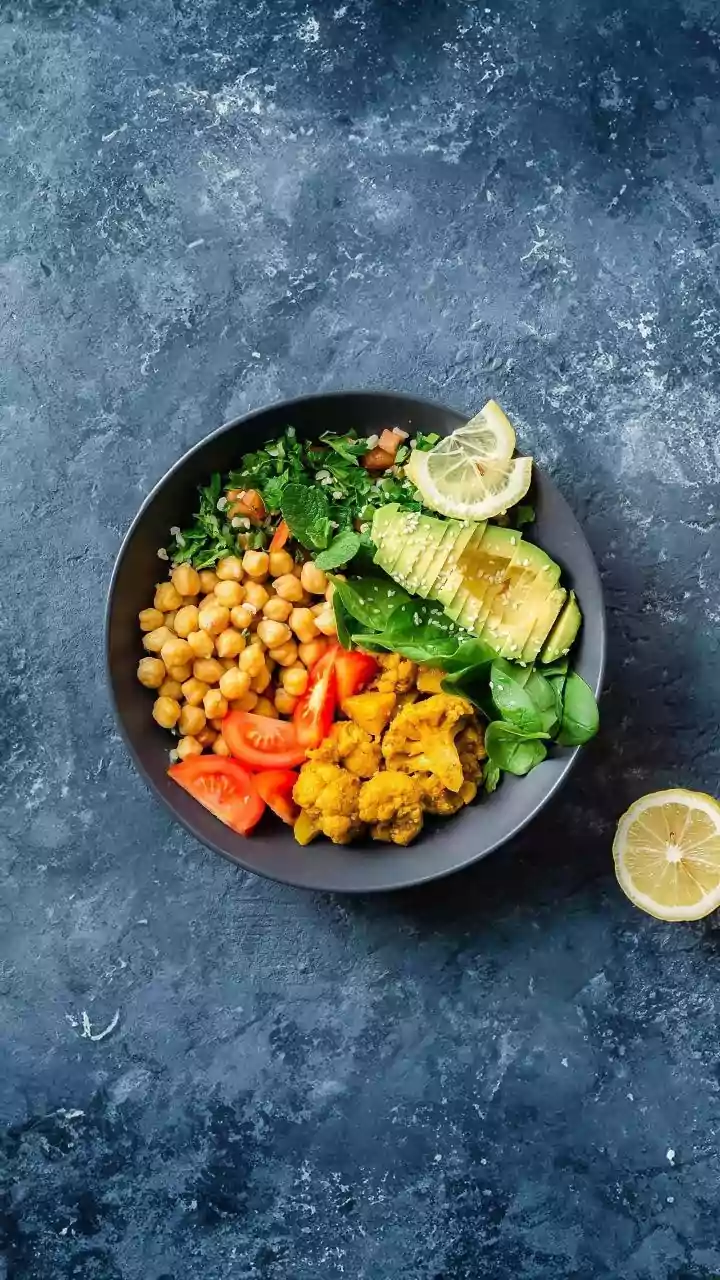
No one disputes that the ultimate goal for nutrition is dietary diversity—consuming a wide variety of foods, including fruits, vegetables, pulses, nuts, and lean proteins. A balanced and diverse diet is the most natural way to obtain all essential nutrients and offers benefits that go beyond just vitamins and minerals. However, achieving widespread dietary diversity in India faces significant hurdles. These include issues of affordability, seasonal availability of fresh produce, deep-rooted cultural and taste preferences, and a policy environment that has historically favoured staple grains over other food groups. As a result, for a large part of the population, a truly diverse diet remains out of reach.
Working Together, Not in Competition
Food fortification should not be seen as a replacement for dietary diversity, but as a necessary and complementary strategy. Improving dietary habits on a national scale is a long-term endeavour that requires systemic changes in agriculture, economics, and education. In the meantime, fortification provides an immediate and practical way to address the widespread micronutrient deficiencies that are harming millions today. It improves the nutritional value of the food people are currently eating, effectively buying time and building a healthier foundation while the country works towards the long-term goal of making diverse, nutritious diets accessible and affordable for everyone.