



The Persistent Peril of Martian Dust
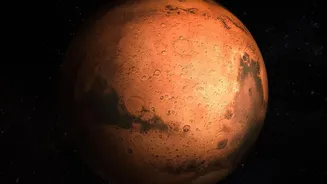
Mars is a world defined by its dust. This fine, reddish material gets into everything. For robotic explorers, particularly those relying on the sun for energy, it's a mission-critical threat. The story of NASA's Opportunity rover is a prime example. Designed
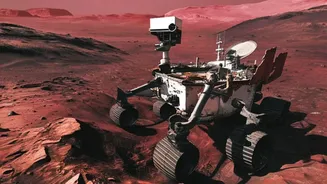
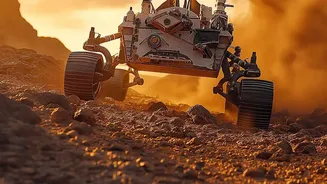
for a 90-day mission, it survived for over 14 years, thanks in part to winds that periodically cleaned its solar panels. However, a planet-encircling dust storm in 2018 ultimately blocked out so much sunlight that the rover could no longer recharge, and it fell silent forever. This fine, electrostatic dust clings to surfaces, reducing the efficiency of solar panels and sometimes leading to a slow decline in power generation. The InSight lander also met its end in 2022 after dust accumulation on its panels led to a critical power loss. This recurring problem highlights a fundamental challenge: how do you build a machine to last for years in an environment that actively tries to shut it down?
An Eye in the Martian Sky
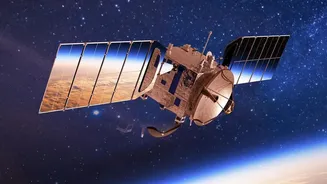
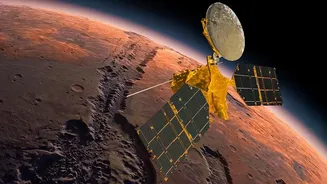
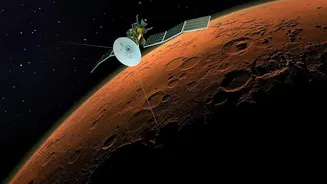
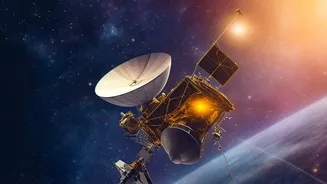
The key to understanding the threat on the ground lies in looking down from above. A fleet of orbiters, most notably NASA's Mars Reconnaissance Orbiter (MRO), acts as a planetary-scale weather satellite system. Instruments like the Mars Color Imager (MARCI) create daily global weather maps, tracking how storms develop and move. Meanwhile, instruments like the Mars Climate Sounder (MCS) measure atmospheric temperatures, which reveals how high dust is being lofted and how it absorbs sunlight to heat the atmosphere, a process which can further amplify storms. This orbital surveillance doesn't just watch for the giant, planet-killing storms. It also tracks the more frequent regional storms and even smaller, localized dust events that can impact a rover's daily power budget. This continuous monitoring provides a massive dataset on Martian weather patterns, far more comprehensive than what any single rover could gather from the surface.
Decoding the Data: From Dust to Design
Having years of orbital data on Martian dust behavior is a goldmine for engineers. It allows them to move from reacting to dust events to proactively designing for them. By analyzing how often dust storms occur in certain regions, how much dust they deposit, and the seasonal patterns, engineers can create sophisticated models of risk. This informs crucial decisions about future missions. For example, knowing the dust risk in a potential landing site can influence whether a solar-powered rover is even viable for that location. The data allows engineers to answer critical questions. How large do solar panels need to be to provide enough power even with a predictable layer of dust? What is the likely rate of dust accumulation versus the chance of a natural cleaning event by wind? This detailed understanding of the environment is essential for creating robust, long-lasting hardware. It's the difference between planning for an idealized Mars and engineering for the real one.
Engineering the Next Generation of Survivors
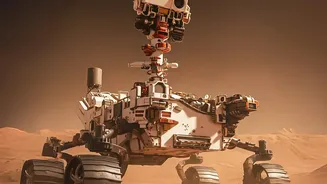
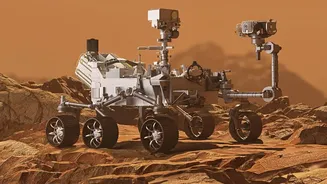
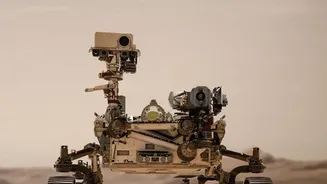
The knowledge gleaned from orbital tracking directly shapes the technology of future rovers. One approach is to build better solar arrays—panels that are more efficient in low-light conditions or are tilted to reduce dust accumulation. Another area of intense research is active dust mitigation technology. NASA has been testing surfaces embedded with electrodes that can create an electric field to repel and clear away dust particles, essentially self-cleaning panels and sensors. However, the most significant design trend is a move away from a sole reliance on solar power for critical missions. Rovers like Curiosity and Perseverance are powered by a Multi-Mission Radioisotope Thermoelectric Generator (MMRTG), a type of nuclear battery that uses the heat from decaying plutonium to generate electricity. While heavier and more complex, an MMRTG is completely unaffected by dust storms, day-night cycles, or seasons, granting mission planners immense flexibility in where they can land and operate. Understanding the true, data-backed limitations of solar power, thanks to orbital tracking, provides a powerful argument for investing in these advanced nuclear systems for long-duration missions.