


A Tale of Two Planets
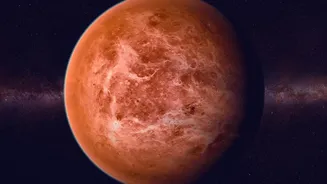
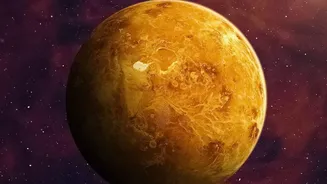
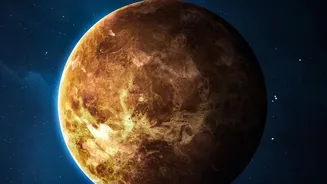
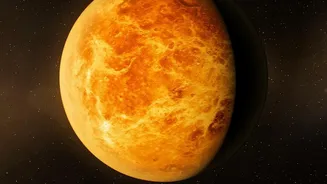
Venus is often called Earth’s “twin” for good reason. Both planets are rocky, nearly identical in size, mass, and density, and were formed in the same neighbourhood of the solar system. Based on these similarities, one might expect Venus to be a temperate
world like our own. Yet, it is anything but. Venus is a vision of hell, with surface temperatures hot enough to melt lead, an atmosphere 92 times denser than Earth’s, and clouds made of corrosive sulfuric acid. This dramatic divergence is one of the greatest mysteries in planetary science. Understanding how and why Earth and Venus followed such drastically different evolutionary paths is a driving force for scientists, including those at the Indian Space Research Organisation (ISRO).
The Volcanic Smoking Gun
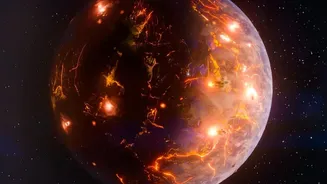
The key to solving this mystery may be sulfur dioxide (SO2). On Earth, this pungent gas is primarily associated with volcanic eruptions. Venus’s atmosphere contains over a million times more SO2 than Earth’s, and it’s a key component in the planet’s thick, acidic clouds. Scientists believe that, like on Earth, volcanic outgassing is the most likely source of this sulfur dioxide. Because of this, tracking SO2 in the atmosphere is like being a detective searching for a smoking gun. Any large, recent fluctuations in its concentration could be direct evidence of an active volcano erupting on the surface, a phenomenon that has long been debated but is now strongly suspected. Finding a definitive link would be a monumental discovery, proving that Venus is geologically active today.
ISRO's Mission: Shukrayaan
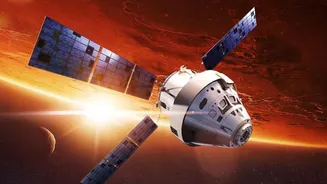
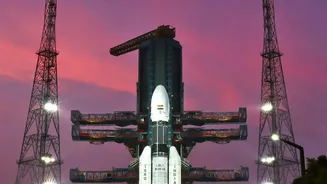
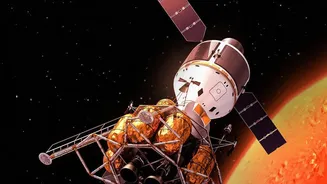
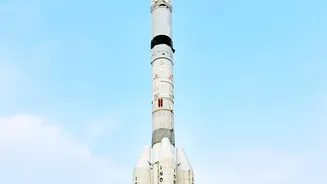
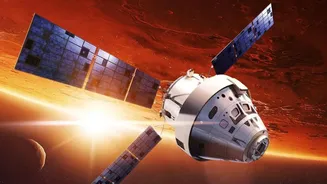
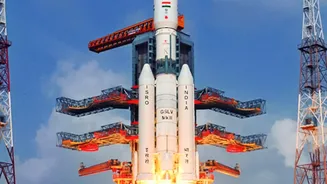
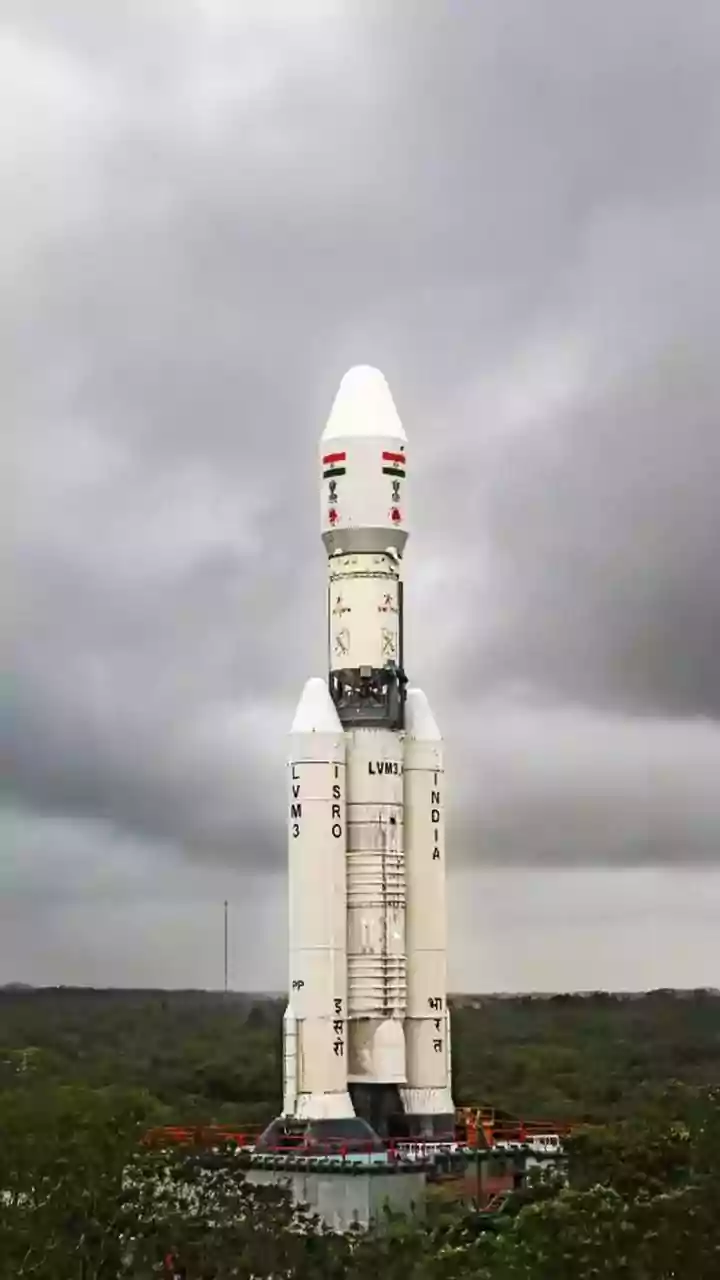
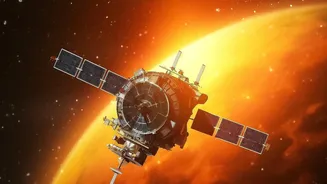
This is where ISRO comes in. India's space agency is planning its first-ever mission to Venus, named Shukrayaan (Venus Craft). The orbiter will be equipped with a suite of sophisticated instruments designed to peer beneath the thick clouds and analyse the atmosphere in unprecedented detail. Among these payloads will be instruments specifically designed to measure atmospheric composition, including the tell-tale sulfur dioxide. One instrument, the Venus InfraRed Atmospheric Gases Linker (VIRAL), aims to retrieve vertical profiles of gases like SO2. By mapping the distribution and concentration of SO2 over several years, ISRO scientists hope to identify localised hotspots and track changes over time. These maps could reveal plumes of gas rising from the surface, pointing directly to active volcanic vents.
Beyond the Volcanoes
While finding an active volcano is a primary goal, mapping sulfur dioxide will offer much broader insights. The gas is readily destroyed by sunlight in the upper atmosphere, so its continued presence means it must be constantly replenished from below. Studying this process helps scientists understand Venus's complex atmospheric dynamics, including its super-rotating winds that circle the planet in just four Earth days. Furthermore, understanding the sulfur cycle is crucial to understanding the formation and maintenance of the sulfuric acid clouds that define Venus. This data helps scientists build better models of Venus's runaway greenhouse effect, a cautionary tale that offers valuable lessons for understanding climate change on our own planet.