




The Solstice and a Planetary Parade
This summer solstice, which falls around June 21st in the Northern Hemisphere, marks the official start of summer. It’s the day with the most daylight, when the Sun reaches its highest and northernmost point in the sky. While this solar milestone is special
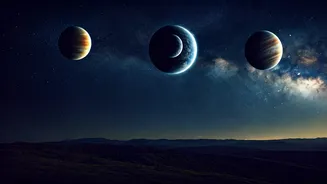
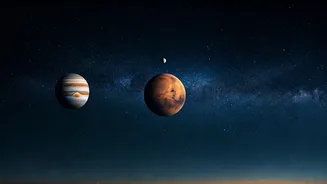
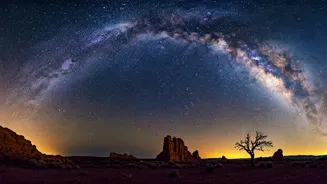
in itself, this year it coincides with a beautiful celestial event. In the days surrounding the solstice, a lineup of planets will be visible to the naked eye, creating what many are calling a ‘planetary parade’. While the headline mentions ‘star alignments’, what you’ll actually be seeing are our neighbours in the solar system falling into a graceful line across the sky from our perspective here on Earth.
What You'll See in the Sky
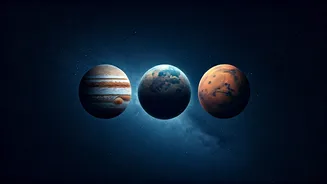
This alignment isn't a single-night event but a window of opportunity. In the hour or so before sunrise, you can witness a string of bright ‘stars’ that don’t twinkle. These are planets. The key players in this month’s lineup are Saturn, Mars, and Jupiter, with the waning crescent Moon often joining them. Depending on the viewing conditions and the specific date, you might even catch a glimpse of faint Uranus (binoculars recommended!) and elusive Mercury just before the sun's glare washes it out. These planets won’t be huddled together; rather, they’ll be stretched out in a diagonal or curved line, tracing the path of the solar system’s plane, known as the ecliptic.
Your Viewing Guide: When and Where to Look
Timing and direction are everything for successful sky-watching. The best time to view this planetary alignment is in the pre-dawn darkness, roughly 45 to 60 minutes before your local sunrise. This gives you enough darkness to see the planets clearly without the sun’s light interfering. You’ll need to face the eastern horizon. The planets will rise one by one from the east throughout the night, forming a distinct line by the time morning twilight begins. Saturn will be the first to rise and will be higher in the sky, followed by Mars, and then the brilliant Jupiter, which will appear lowest to the horizon just before sunrise. Don’t worry if you miss one night; this celestial show is on for several days around the solstice.
How to Identify Each Planet
Distinguishing planets from stars is easier than you think. Planets generally shine with a steady, unwavering light, while distant stars tend to twinkle. Here’s a quick field guide:
* **Saturn:** Look for a steady, moderately bright point of light with a distinct yellowish-white tint. It will be the highest in the chain.
* **Mars:** You can’t miss its famous reddish-orange hue. It will be noticeably fainter than Jupiter but brighter than many surrounding stars.
* **Jupiter:** This will be the showstopper. Jupiter is the brightest object in the lineup, outshining every star in the sky. It will appear as a brilliant, silvery-white beacon low in the eastern sky before dawn.
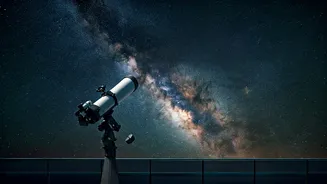
Using a good pair of binoculars will enhance the view, possibly even revealing Jupiter’s four largest moons as tiny pinpricks of light right next to the planet.
Tips for Sky-Watchers in India
Viewing conditions in India can be challenging due to city light pollution and the potential for monsoon clouds. To maximize your chances, try to find a location with a clear, unobstructed view of the eastern horizon. This could be a terrace, a park, or a spot on the outskirts of your city. Give your eyes at least 15-20 minutes to fully adjust to the darkness; this will make fainter objects much easier to see. Most importantly, check the weather forecast. A cloudy morning will unfortunately hide the show. Sky-watching apps like Stellarium or SkyView can be incredibly helpful. Simply point your phone at the sky, and the app will identify the planets, stars, and constellations for you.