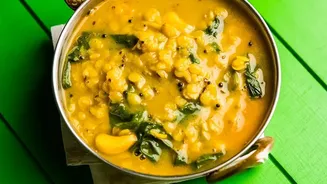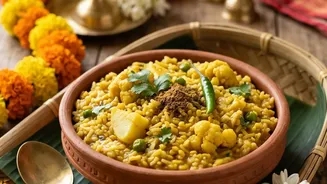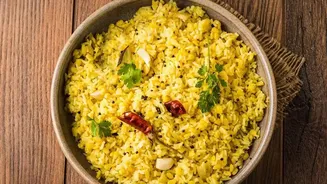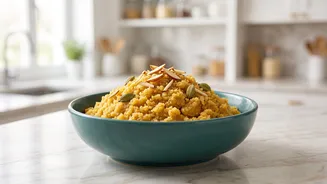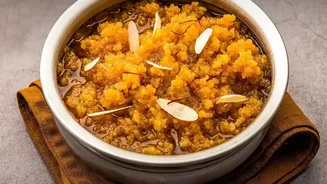

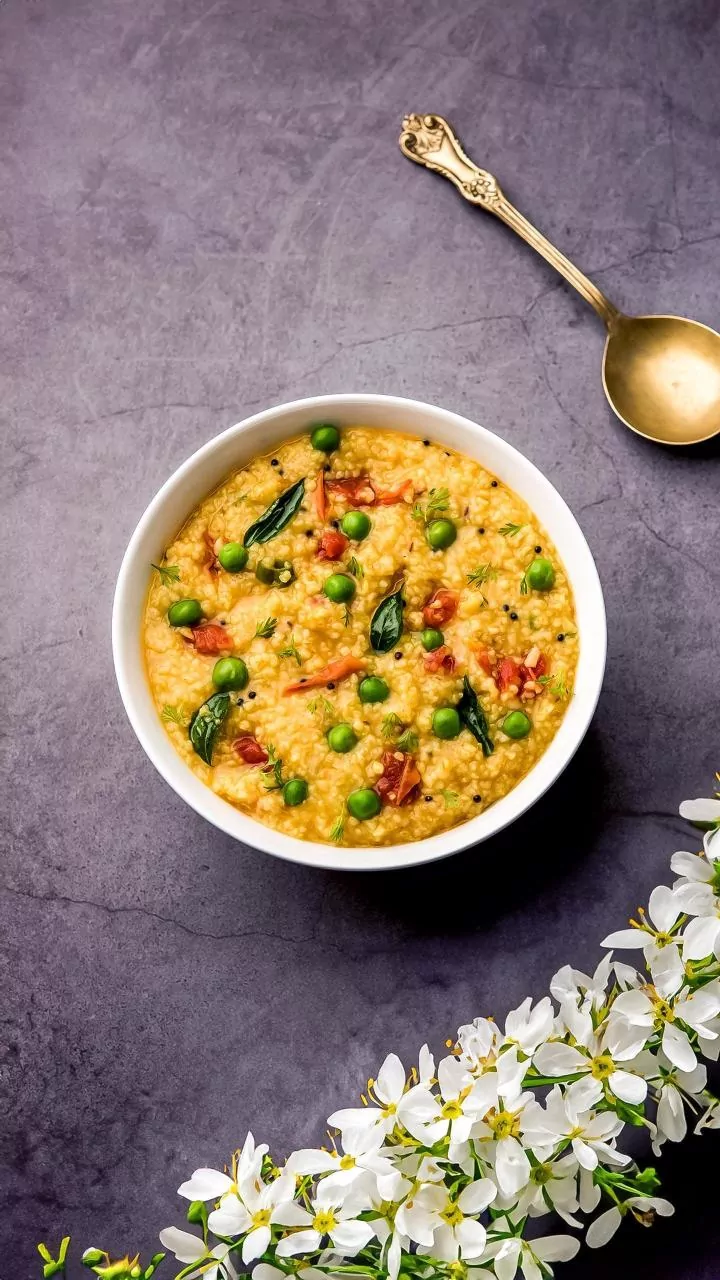
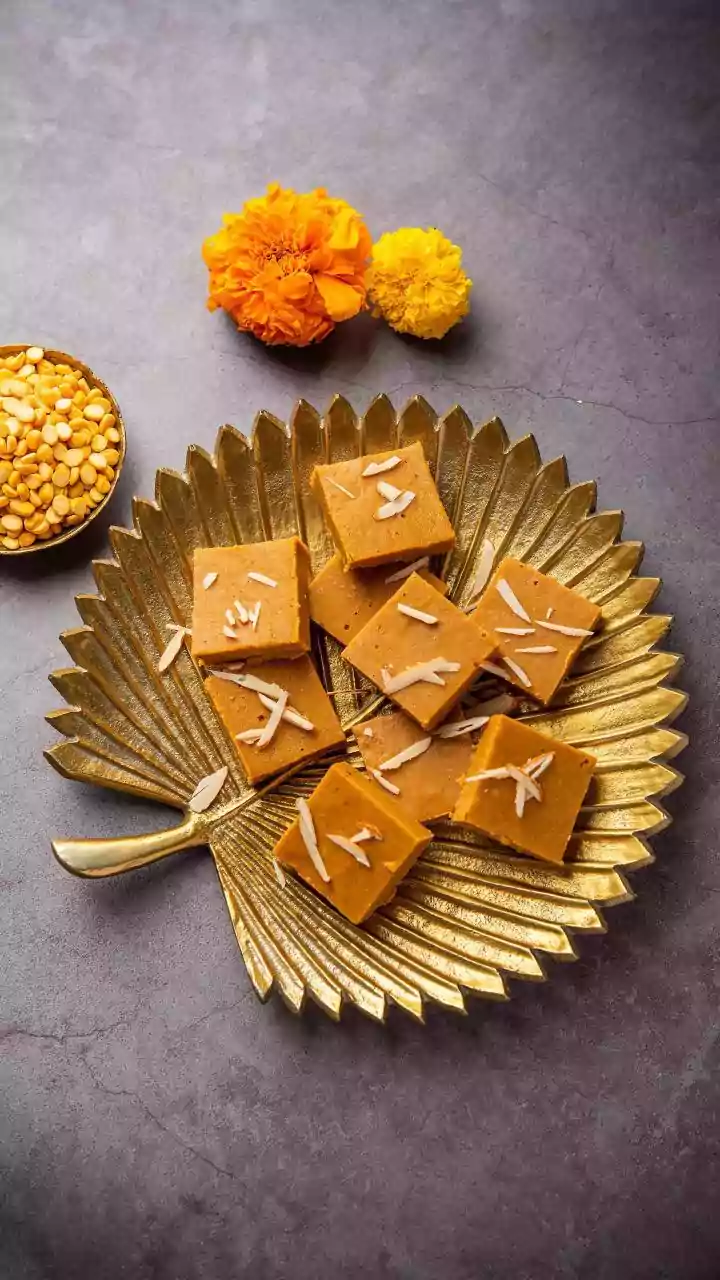
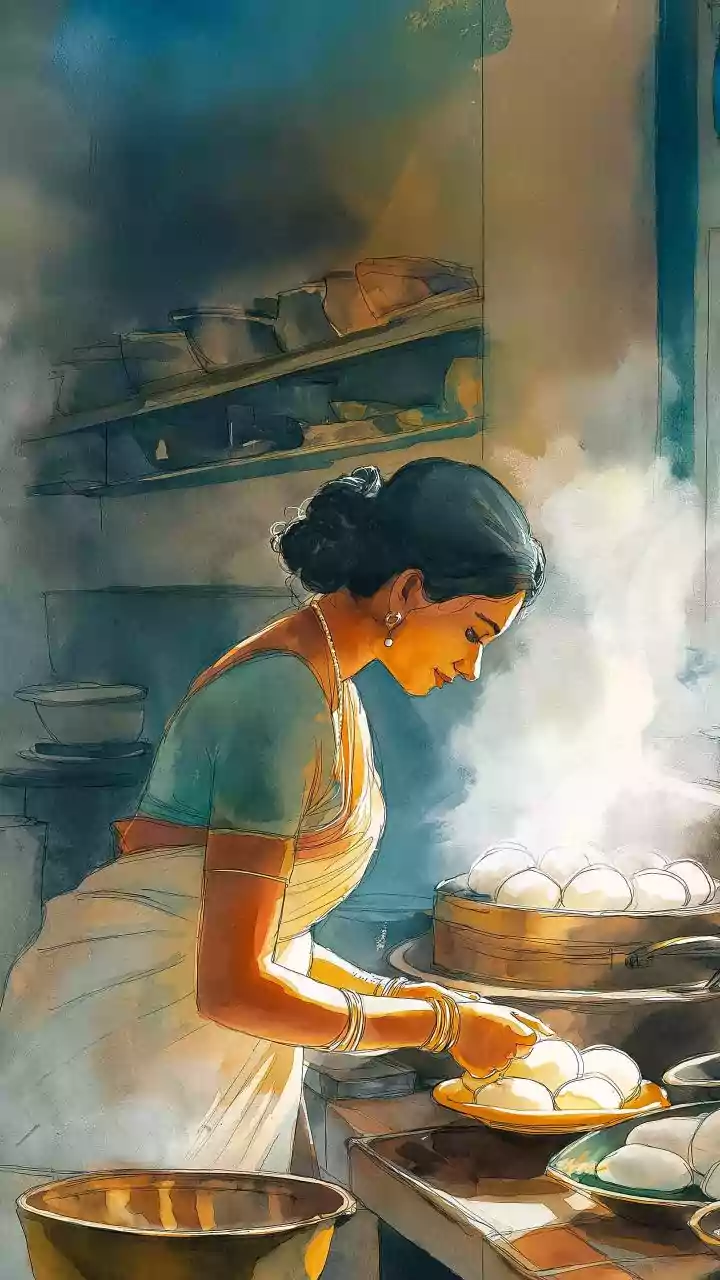
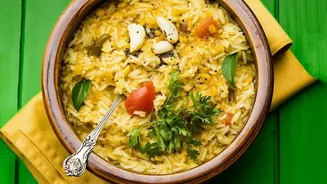
As the festive lights of Diwali dim and a distinct chill settles in the air, Indian kitchens often turn to a comforting, age-old preparation: Besan Sheera. More than just a dessert, this warm, aromatic pudding is a tradition of care.
More Than Just a Post-Festival Sweet
After the celebratory
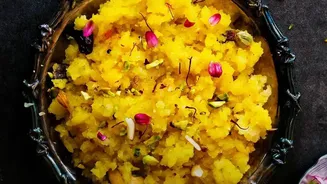
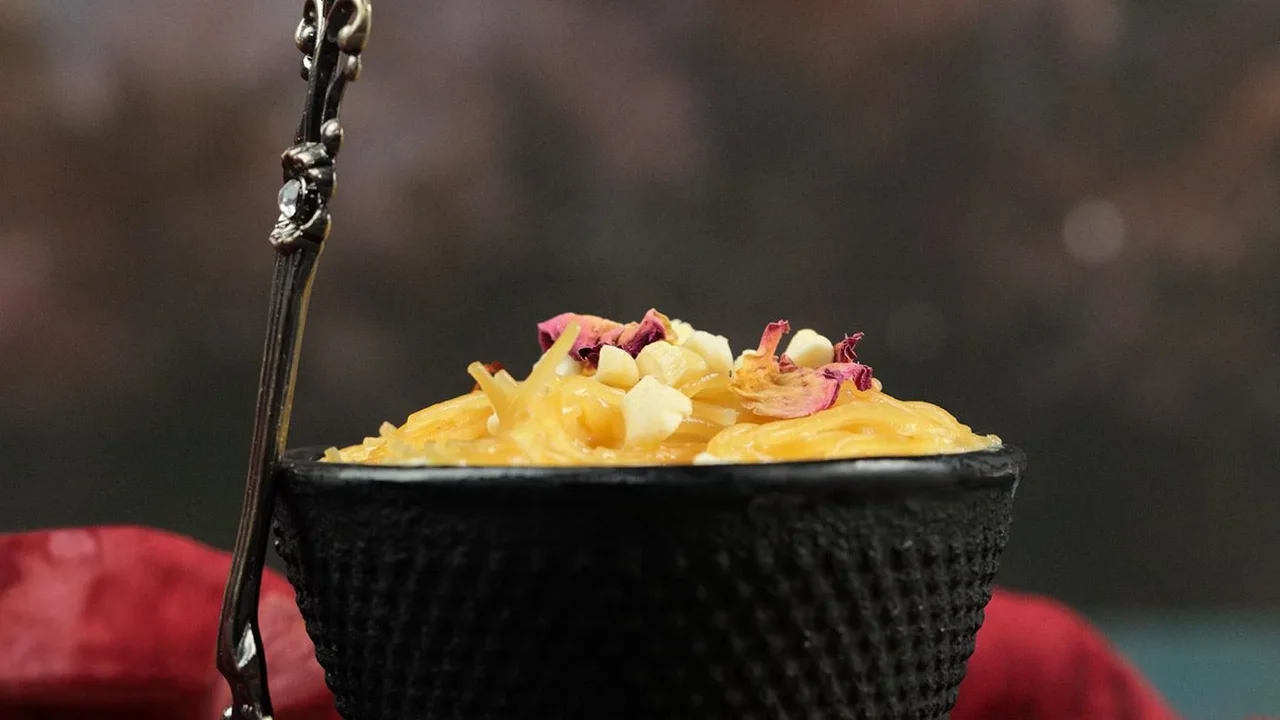
indulgence of Diwali, which is marked by rich, elaborate sweets, Besan Sheera emerges as a different kind of treat. It is simpler, more restorative, and deeply comforting. This semi-thick beverage or pudding, made from gram flour (besan), ghee, milk, and a sweetener like jaggery, is not about festive extravagance. Instead, its purpose is to soothe and nourish. In many households, particularly in North India, it marks a gentle transition from the festive season to the everyday, providing warmth and wellness as winter approaches. The tradition of preparing it is often an act of care, a dish made to nurture the family after the happy chaos of celebrations.
A Cherished Remedy in a Bowl
For generations, Besan Sheera has been a trusted home remedy for coughs and colds. Often prepared by mothers and grandmothers at the first sign of a sniffle, this 'dadi or nani ka nuskha' (grandmother's recipe) is prized for its therapeutic properties. The magic lies in its core ingredients. Gram flour is a good source of protein, while ghee is known to soothe an irritated throat and provide a feeling of warmth. The addition of spices like turmeric and black pepper, both known for their anti-inflammatory and antibacterial properties, enhances its medicinal value. Served piping hot, often before bed, it is believed to help clear congestion and promote a restful night's sleep.
The Art of Roasting Besan
The heart of a good Besan Sheera lies in one crucial step: slowly roasting the gram flour in ghee. This process, done over a low flame, is what transforms the raw flour into a deeply flavourful and aromatic base. As the besan cooks, it loses its raw taste and develops a rich, nutty fragrance that fills the home. This toasting process is essential not just for flavour but also for the final texture of the sheera. Rushing this step is a common mistake; patience is key to unlocking the deep, comforting taste that defines the dish. Once the flour turns a beautiful golden-brown colour, milk is gradually whisked in to create a smooth, lump-free consistency that can be as thin as a drink or as thick as a pudding.
The Golden Ingredients
While recipes vary slightly from family to family, the core components of Besan Sheera are consistent. Gram flour, or besan, is a protein-rich, gluten-free flour that forms the base. Ghee, or clarified butter, not only adds a rich flavour but is also considered a healthy fat in Ayurveda that lubricates the throat. Turmeric (haldi) provides its signature golden hue and contains curcumin, a compound with anti-inflammatory properties. Black pepper is often added as it is believed to aid the body's absorption of curcumin. Jaggery is a traditional sweetener that offers a more complex, molasses-like sweetness than refined sugar, along with trace minerals. Finally, spices like cardamom and sometimes a pinch of ginger powder add warmth and aroma, making the sheera even more comforting.
A Tradition of Comfort and Care
Beyond its ingredients and health benefits, Besan Sheera is a food steeped in emotion. It is a symbol of care, a warm hug in a bowl prepared for a loved one feeling under the weather. It evokes memories of childhood and the comforting presence of a caregiver. Making it is a simple yet profound act of nourishment. As the cooler weather sets in, embracing this tradition is about more than just enjoying a sweet dish; it's about connecting with an agendy practice of wellness and comfort that has been passed down through generations. It stands as a reminder that sometimes, the simplest foods provide the greatest solace.