







The Tandoor-at-Home Myth
For years, the dream of perfect homemade naan seemed unattainable. The primary obstacle was the tandoor, the traditional clay oven that blasts bread with intense, consistent heat, creating a fluffy interior and crisp, blistered exterior in minutes. Replicating
temperatures that can exceed 480°C in a home oven is nearly impossible, often leading to naan that is either dry and cracker-like or dense and doughy. This challenge sent many aspiring cooks back to store-bought options, but a new wave of culinary wisdom has changed the game entirely.
The No-Yeast, No-Wait Revolution
One of the biggest shifts is the move away from time-consuming yeast-based doughs. While traditional naan uses yeast for leavening, many modern home recipes now champion a simpler combination: yogurt and a chemical leavening agent like baking powder or self-rising flour. This swap eliminates the need for long proofing times, meaning you can go from mixing bowl to hot pan in under 30 minutes. The result is a dough that is surprisingly easy to handle and reliably produces soft, tender bread without the wait.
The Magic of Yogurt
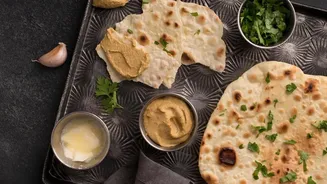
The secret weapon in many of these simplified recipes is plain yogurt, or dahi. Yogurt serves multiple functions that are key to a tender crumb. Its acidity works to soften the dough's gluten structure, preventing the bread from becoming tough and chewy. It also adds moisture and a subtle, pleasant tang that mimics the flavour of traditionally fermented dough. Full-fat Greek yogurt is often recommended for its richness and thick consistency, which creates a very soft, pliable dough.
Mastering the Stovetop
Without a tandoor, the cooking method is crucial. Home cooks have perfected the art of using a simple stovetop and a heavy-bottomed pan to achieve a tandoor-like effect. A cast-iron skillet is the preferred tool, as it retains high heat exceptionally well. The technique involves getting the pan very hot, then slapping the rolled-out dough onto the dry surface. Some methods even involve applying water to one side of the naan so it sticks to the pan, allowing you to flip the entire pan over a gas flame to char the top, directly mimicking the heat of a tandoor. Covering the pan with a lid for a minute traps steam, helping the naan puff up beautifully.
Finishing with Flair
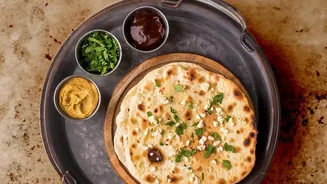
The final step to achieving that restaurant-style experience is the finish. As soon as the naan comes off the heat, it should be brushed generously with melted butter or ghee. This not only adds incredible flavour and a glossy sheen but also helps to keep the bread soft and pliable as it cools. Many home cooks take this a step further, infusing the butter with crushed garlic, fresh coriander, or nigella seeds for an extra layer of authentic flavour. Wrapping the finished naan in a clean cloth while you cook the rest of the batch keeps them warm and steamy.