






Perfect The Batter Consistency
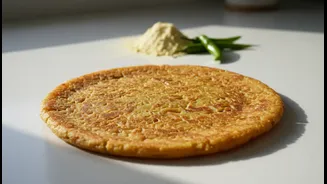
The foundation of a great chilla is its batter. The consistency is crucial; it should be smooth, pourable, and completely free of lumps. A common mistake is adding all the water at once. Instead, add water gradually while whisking continuously. For a good
starting point, try using about half a cup of water for every cup of besan, then adjust from there. The ideal batter should be neither too thick, which prevents it from spreading, nor too runny, which can make it weak and prone to breaking. A smooth, flowing consistency allows the batter to spread evenly and cook uniformly.
Let the Batter Rest
While it’s tempting to cook immediately after mixing, especially on a busy morning, letting the batter rest for at least 10-15 minutes is a game-changer. This resting period allows the besan to fully absorb the water, which results in a smoother batter and a more stable chilla. If you've added other flours like sooji, resting is even more critical as it allows the grains to swell and integrate properly, which helps in binding. If you prepare the batter the night before, remember to store it without chopped vegetables like onions, which can alter the flavour.
Add a Binding Agent
If your chillas consistently fall apart, they might need a little extra structural support. Adding a tablespoon of a binding ingredient like sooji (semolina) or rice flour to the besan batter can make a world of difference. These ingredients not only help bind the chilla together, making it less likely to break during flipping, but they also contribute to a crispier texture. Some recipes also suggest adding a bit of curd (yoghurt) which can help create a tender yet firm chilla.
Master the Tawa Temperature
The heat of your pan (tawa) is a delicate balance. If the tawa is too hot, the batter will stick and cook too quickly on the outside, making it difficult to spread and likely to burn. If it's not hot enough, the chilla won't set properly and may become sticky. The ideal temperature is medium heat. To test if your pan is ready, sprinkle a few drops of water on it. If they sizzle and evaporate right away, you're good to go. Using a non-stick pan or a well-seasoned cast-iron tawa is highly recommended for the best, stick-free results.
Don't Overload on Veggies
Vegetables make chillas more nutritious and flavourful, but adding too many can compromise their structure. It’s important to chop your vegetables like onions, tomatoes, and capsicum very finely. Large, chunky pieces can create weak spots and prevent the batter from holding together, causing the chilla to break when you try to flip it. Ensure the quantity of vegetables is well-balanced with the amount of batter. The batter should coat the vegetables, not the other way around.
The Art of Spreading and Flipping
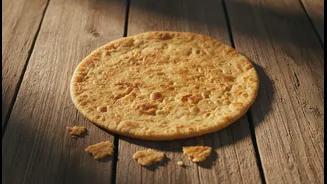
Once your pan is hot, you can pour a ladleful of batter in the centre. Using the back of the ladle, gently spread it in a circular motion. Don't spread it too thin, as that can also make it fragile. Drizzle a little oil around the edges and on top. Now, patience is key. Don't rush the flip. Wait until the top surface looks cooked and the edges start to lift away from the pan on their own. This is your sign that the base is set. Use a thin spatula to gently lift an edge, check for a golden-brown colour, and then flip it confidently to cook the other side.