





Why the Gates Shut
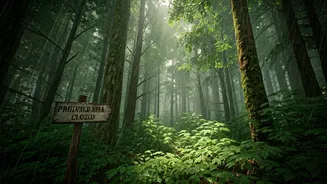
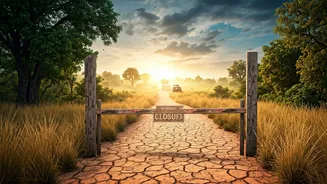
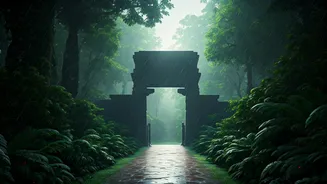
Across India, most national parks and tiger reserves, including famous names like Kaziranga, Ranthambore, and Corbett, observe seasonal closures. The primary driver is the monsoon, typically from June to September. Heavy rains transform serene forest
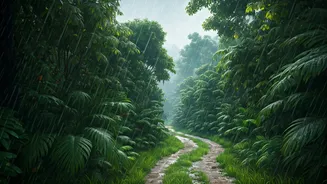
tracks into treacherous, slushy paths, making them unsafe for visitors and safari vehicles. Flooding, like that from the Brahmaputra in Kaziranga, can submerge large areas of the park, making access impossible. Beyond safety, this break from human activity is essential for the ecosystem's health. It's a calculated pause that pays huge dividends for nature.
A Time for Nature to Heal
The monsoon is nature's time for rejuvenation. The downpour replenishes water bodies and nourishes the soil, triggering a burst of new growth. Giving the forest a break from constant foot and vehicle traffic allows this regeneration to happen undisturbed. Without thousands of visitors, the ground, already saturated by rain, is protected from compaction and erosion. This allows for the lush undergrowth to flourish, creating a healthier habitat. The closure period also provides a crucial window for park authorities to undertake essential maintenance on roads, bridges, and other infrastructure without disturbing tourists or wildlife.
An Undisturbed Season for Wildlife
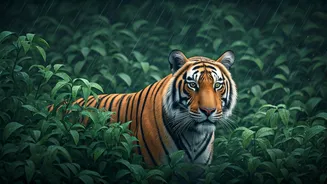
For many animal species, the monsoon is the most important time of the year for breeding. The lush vegetation provides ample food and cover, creating ideal conditions for mating, nesting, and raising young. Tigers, elephants, leopards, and countless bird species rely on this peaceful period. The absence of safari jeeps and human chatter significantly reduces stress on the animals, contributing to more successful breeding and a better survival rate for the young. It ensures the long-term stability of wildlife populations within these protected havens.
Are All Parks Closed Completely?
While core zones of most tiger reserves shut down, it's not a blanket closure everywhere. Some parks have buffer zones or specific areas that remain open to tourists year-round. For instance, parts of Jim Corbett National Park, like the Jhirna and Sitabani zones, welcome visitors during the monsoon. Similarly, some zones in Ranthambore may remain accessible. Parks in regions less affected by heavy monsoons, like Periyar National Park in Kerala, often stay open and offer a unique, vibrant green landscape for visitors willing to brave the rain. These exceptions provide a balance between conservation needs and tourism demands.