




A Sweet Collision
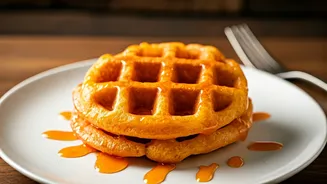
So, what exactly is a jalebi waffle? The name itself conjures a delightful, if confusing, image. In most viral iterations, it’s not a waffle made from jalebi batter, but rather a classic, crispy Belgian-style waffle acting as a canvas for a deconstructed
jalebi experience. Think of a warm waffle infused with the iconic jalebi flavours of saffron and cardamom, often drizzled with a sugar syrup reminiscent of chasni, and sometimes topped with chopped pistachios and a dollop of creamy rabri. Some ambitious creators have even attempted to pipe jalebi batter directly into a waffle iron, resulting in a unique lattice structure that is both a waffle and a jalebi. The goal is always the same: to capture the essence of that beloved, sticky, spiral-shaped sweet in a form that feels both new and nostalgic.
From Kitchens to Keyboards
This trend didn’t just appear out of thin air. It’s a classic example of a dish born from festive experimentation and amplified by the visual nature of platforms like Instagram and Pinterest. The jalebi waffle likely started in the kitchens of home cooks and small, innovative cafes looking to put a modern spin on traditional Diwali or Holi sweets. Its photogenic qualities made it an instant star. The vibrant orange-gold hue, the glistening syrup, and the artful toppings are perfectly engineered for a viral food post. Every 'like' and 'share' helped propel it from a niche experiment into a nationwide conversation, with food bloggers and influencers quickly jumping on board to create their own versions and reviews, ensuring it stayed on everyone’s 'For You' page.
The Internet Has Opinions
Naturally, the internet did what it does best: it formed strong, opposing opinions. On one side, you have the culinary purists. For them, the jalebi is a sacred institution. Its perfection lies in its distinct texture—crispy on the outside, chewy and syrupy within. To merge it with a waffle is seen as blasphemy, a watering down of tradition for the sake of a fleeting trend. Comments like “Let jalebi be jalebi!” and “Some things should not be fused” are common. On the other side are the enthusiastic foodies who celebrate the innovation. They see the jalebi waffle as a playful, creative tribute. For them, food is meant to evolve. They praise the delightful combination of the waffle’s soft, fluffy interior with the familiar, festive taste of jalebi, arguing that it makes a classic flavour accessible in a new and exciting format.
A Sign of the Times
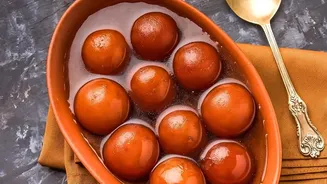
The jalebi waffle isn't an isolated phenomenon. It’s part of a much larger movement in contemporary Indian food culture. We’ve seen gulab jamun cheesecake, motichoor laddoo parfait, masala chai macarons, and dosa tacos. This trend of “glocal” cuisine—blending global formats with local flavours—reflects a new kind of culinary confidence. It’s driven by a generation that is deeply connected to its roots but also globally aware and digitally savvy. These fusion dishes are not about replacing the originals but about celebrating them in a different context. They are a conversation between the past and the present, a way to keep traditional tastes alive and relevant for a new audience that craves both comfort and novelty.
The Verdict from Your Taste Buds
After all the online chatter, one question remains: should you try it? The jalebi waffle is now popping up on menus in trendy cafes across major cities, and countless recipes are available online for the adventurous home chef. Whether you view it as an exciting innovation or an unnecessary gimmick, the only way to truly know is to taste it. It might become your new favourite dessert, or it might just confirm your belief that the original jalebi is unbeatable. Either way, it offers a chance to participate in a fascinating culinary moment. It’s an invitation to be curious, to step outside your comfort zone, and to form your own, unfiltered opinion, away from the noise of social media.