


The Rise Of The Protein-Rich Pot
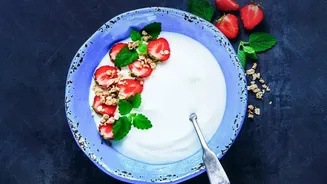
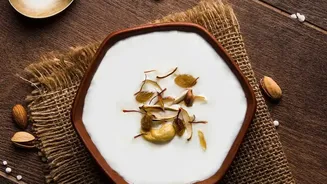
Not long ago, Greek yoghurt was a niche product in India, found mainly in urban, premium grocery stores. But a widespread consumer shift towards healthier, protein-rich foods has changed its fortunes. Unlike traditional dahi, Greek yoghurt's thick texture
and higher protein content appealed to a new generation of health-conscious Indians and fitness enthusiasts. Brands were quick to notice, launching varieties that catered to local tastes. This global wellness trend was successfully Indianised, moving from a foreign curiosity to a staple in many refrigerators, often replacing sweeter, dessert-style yoghurts. The Indian functional yoghurt market is now a rapidly growing space, projected to expand significantly as consumers continue to prioritize nutrition and convenience.
Our Ancient Superfoods Get A Modern Makeover
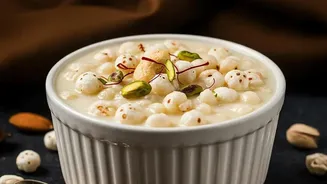
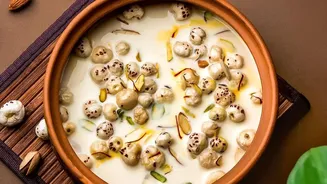
At the same time, a powerful revival of traditional Indian ingredients has been taking place. Millets like bajra, jowar, and ragi, once seen as rural or old-fashioned staples, are now celebrated for their immense health benefits. They are gluten-free, high in fiber, and have a low glycemic index, making them a popular swap for refined rice and wheat. Similarly, makhana (fox nuts) has undergone a dramatic rebranding. Traditionally a food for fasting, it is now sold in slick packages and trendy flavours like peri-peri and cheese, positioned as a healthy, crunchy alternative to fried chips. This isn't just about nostalgia; it’s about rediscovering the nutritional power that has been in our kitchens for centuries.
A Fusion Born from Health and Convenience
The meeting of these two worlds—ancient grains and modern yoghurt—is where the magic happens. This fusion represents the new Indian consumer's mindset: they want the health benefits of traditional ingredients but in formats that fit their fast-paced, modern lives. It’s no longer enough for a snack to just be tasty; it must also be functional, offering protein, fiber, and clean ingredients. This has led to product innovations that blend the best of both. Think of creamy Greek yoghurt served with a topping of crunchy millet granola or roasted makhana. These combinations offer a balanced mix of protein, complex carbs, and texture, creating a wholesome and satisfying snack or light meal.
What This Trend Says About Modern India
This culinary mashup is more than just a food trend; it's a reflection of a confident, new India. It showcases 'glocalization' at its finest—taking a global product like Greek yoghurt and making it distinctly our own by pairing it with native ingredients. It shows a market that is looking inwards, taking pride in its own agricultural heritage while embracing global wellness concepts. This trend also speaks to a deeper consumer desire for authenticity and transparency. People are reading labels and seeking out foods that feel both nourishing and familiar. The success of this fusion lies in its ability to provide comfort and trust (through millets and makhana) alongside aspiration and modernity (through Greek yoghurt).
The Future Is Fusion
The combination of makhana, millets, and Greek yoghurt is likely just the beginning. As consumers continue to demand foods that are both healthy and convenient, we can expect to see more such innovative pairings. What other traditional ingredients are waiting for a modern-day revival? Could we see jackfruit-blended yoghurts or amaranth-infused smoothie bowls become mainstream? The possibilities are endless. This trend has opened the doors for food brands, both large and small, to experiment and create products that truly resonate with the evolving Indian identity. It’s a clear signal that the future of food in India isn't about choosing between traditional and modern, but about finding creative and delicious ways to blend them together.