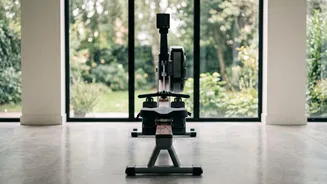







One is the picture of rhythmic, grinding power; the other, the epitome of gravity-defying grace. Yet beneath the surface, rowing and ballet share a deep connection: both demand and build elite levels of heart and lung stamina. But how do they do it?
The Common Goal: What Is Stamina?
Before
we pit the rower's oar against the dancer's pointe shoes, it helps to define what we mean by 'heart and lung stamina'. In physiological terms, this is cardiorespiratory fitness: the ability of your circulatory, respiratory, and muscular systems to supply oxygen-rich blood to your working muscles during sustained physical activity. A strong cardiovascular system allows you to work harder, for longer, and recover faster. Both rowing and ballet are exceptional at developing this, but they take remarkably different routes to get there, targeting different energy systems to build distinct types of endurance.
Rowing: The Engine of Pure Endurance
Rowing is a full-body workout that engages approximately 85% of your body's muscles in a single, fluid motion. This widespread muscle activation creates a massive demand for oxygen, forcing the heart and lungs to work hard to keep up. The primary way rowing builds stamina is through aerobic exercise—long, steady-state efforts where the heart rate remains elevated in a moderate zone (often called Zone 2) for an extended period. This type of training is incredibly effective at strengthening the heart muscle, allowing it to pump more blood with each beat. It also increases your lung capacity and improves your body's ability to efficiently extract and use oxygen. Think of it as building a bigger, more fuel-efficient engine. Elite rowers often have some of the highest absolute VO2 max scores—a key measure of aerobic fitness—ever recorded among athletes.
Ballet: The Power of Intermittent Bursts
Ballet might look effortless, but the physiological reality is a demanding series of explosive, high-intensity intervals. A typical ballet class or performance is not a steady-state activity; it is composed of short, strenuous bursts of effort—like grand allegro (big jumps) and turning combinations—followed by brief periods of lower intensity or rest. This structure closely mimics High-Intensity Interval Training (HIIT). These powerful movements push dancers into an anaerobic state, where the body's demand for energy outstrips the oxygen supply, forcing it to use stored energy. This type of training is excellent for improving the body's ability to handle and clear lactic acid, which helps delay fatigue during intense efforts. While a ballet class as a whole provides a moderate aerobic stimulus, it's these repeated anaerobic bursts that give dancers their unique stamina, enabling them to execute powerful, breathtaking movements again and again without a decline in performance.
Aerobic vs. Anaerobic: Two Sides of Stamina
The core difference lies in the energy systems they prioritize. Rowing, especially during long training sessions, is predominantly aerobic ('with oxygen'). Most workouts are designed to keep the athlete in a state where the cardiovascular system can comfortably supply the oxygen needed, building a deep well of endurance. A standard 2,000m race is still about 75–80% aerobic.
Ballet, on the other hand, is a masterful blend of both. While the overall practice builds a solid aerobic base, its performance specific demands are heavily anaerobic ('without oxygen'). The stamina required to complete a 90 second jump filled variation is less about steady oxygen delivery and more about the body's capacity to produce immense power repeatedly and recover in seconds. Studies on professional dancers show heart rates frequently reaching over 90% of their maximum during strenuous combinations, similar to sprint activities.
The Verdict: Different Paths to a Stronger Heart
So, which is better for heart and lung stamina? The answer depends entirely on your goal. If you want to build a massive aerobic base and the kind of endurance that can sustain a powerful, rhythmic effort for a long time, rowing is one of the most effective activities you can choose. Its full body, low impact nature makes it a fantastic tool for pure cardiovascular conditioning. If your goal is to develop the ability to perform repeated bursts of high intensity, athletic movement with grace and power, ballet is a phenomenal trainer. It builds a different kind of stamina—one based on explosive power and rapid recovery. Both disciplines produce incredibly fit athletes with powerful hearts and lungs, proving that whether through sustained effort or artistic explosion, the path to elite stamina has more than one direction.