



What Exactly Are Microgreens?
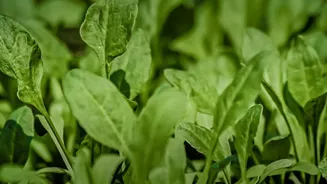
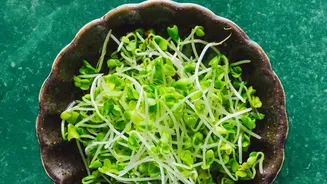
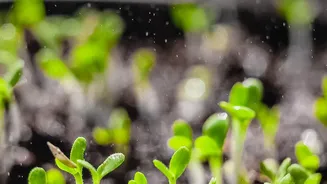
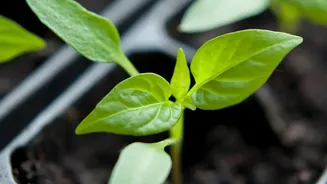
Before diving into the how, it’s important to understand the what. Microgreens are not to be confused with sprouts or baby greens. They are young vegetable or herb seedlings harvested just after the first set of true leaves has appeared. Typically harvested between
7 to 14 days after germination, they are prized for their intense flavour profiles and concentrated nutrient content. Studies have shown that microgreens can contain four to 40 times more vitamins and minerals than their mature counterparts, making them a nutritional powerhouse. They represent the perfect intersection of flavour, nutrition, and convenience.
Unboxing the All-in-One Kit
The primary appeal of a windowsill tray garden kit is its simplicity and convenience. Most kits are designed to be an all-in-one solution, containing everything a beginner needs to get started. A typical package includes a growing tray (often perfectly sized for a windowsill), a pre-portioned amount of a growing medium like coconut coir or a soil wafer, and a packet of seeds. Some may also include a humidity dome to aid germination or a spray bottle for gentle watering. This removes the guesswork and the need to source multiple components, a significant barrier for many aspiring urban gardeners.
The Simple Steps to a Green Harvest
Growing microgreens with a kit is a straightforward process designed for success, even for those who claim to kill every plant they touch. The process generally involves hydrating the growing medium, spreading it evenly in the tray, and then sowing the seeds densely across the surface. After sowing, the seeds are gently watered and often placed in the dark for a few days to encourage germination. Once they sprout, the tray is moved to a sunny windowsill. Consistent moisture is key, but overwatering is a common mistake to avoid. Within one to two weeks, you will have a lush carpet of greens ready for harvest.
The Urban Gardener's Advantage
For apartment dwellers, the benefits are immense. These kits require minimal space, making a sunny windowsill the only real estate you need. There's no need for a yard, large pots, or heavy bags of soil. The quick growth cycle provides a continuous supply of fresh greens, reducing food waste and saving money compared to buying expensive store-bought microgreens. Furthermore, the act of nurturing a plant, even on a small scale, offers a valuable connection to nature and a sense of accomplishment, providing a welcome green oasis in a concrete jungle.
Flavourful Choices for Beginners
Part of the fun is experimenting with different tastes. Beginner-friendly varieties are known for their fast, reliable germination and tolerance for slight inconsistencies in care. Radish microgreens offer a spicy, peppery kick, while broccoli microgreens have a milder, fresh flavour. Others like arugula add a nutty, peppery note perfect for salads. Peas are another excellent choice, producing sweet, crunchy shoots. Many seed companies offer curated microgreen seed mixes, allowing you to grow a blend of flavours and textures in a single tray.
Tips for a Bountiful Harvest
While the process is simple, a few tips can help ensure success. The most common pitfall for new growers is managing moisture. Overwatering can lead to mould, while underwatering will cause the delicate seedlings to wither. Good air circulation is also crucial to prevent fungal issues; running a small fan nearby can help. Finally, don't be tempted to use just any seeds. It's best to purchase seeds specifically designated for microgreen production to ensure they have a high germination rate and are free from pathogens.